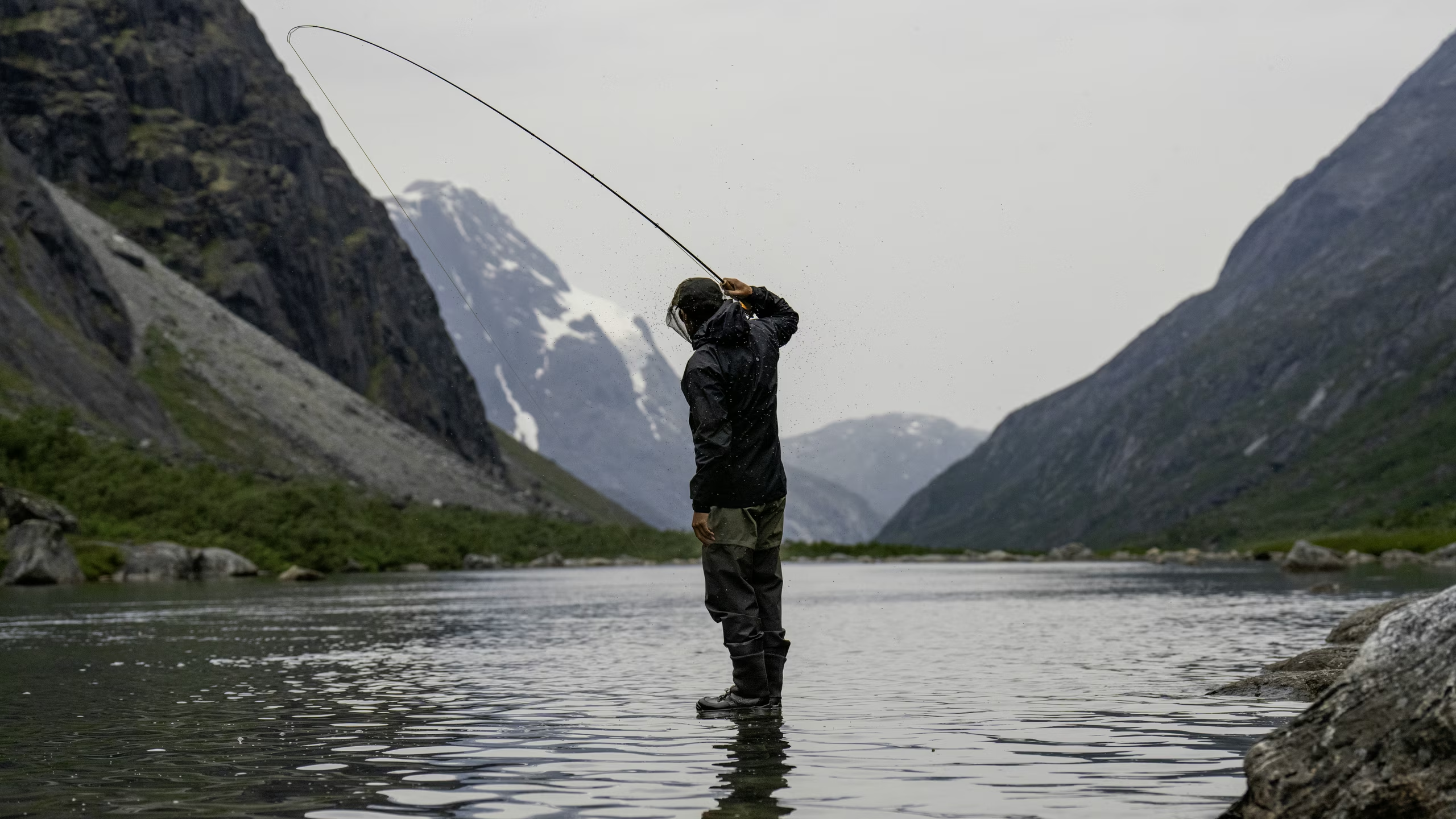
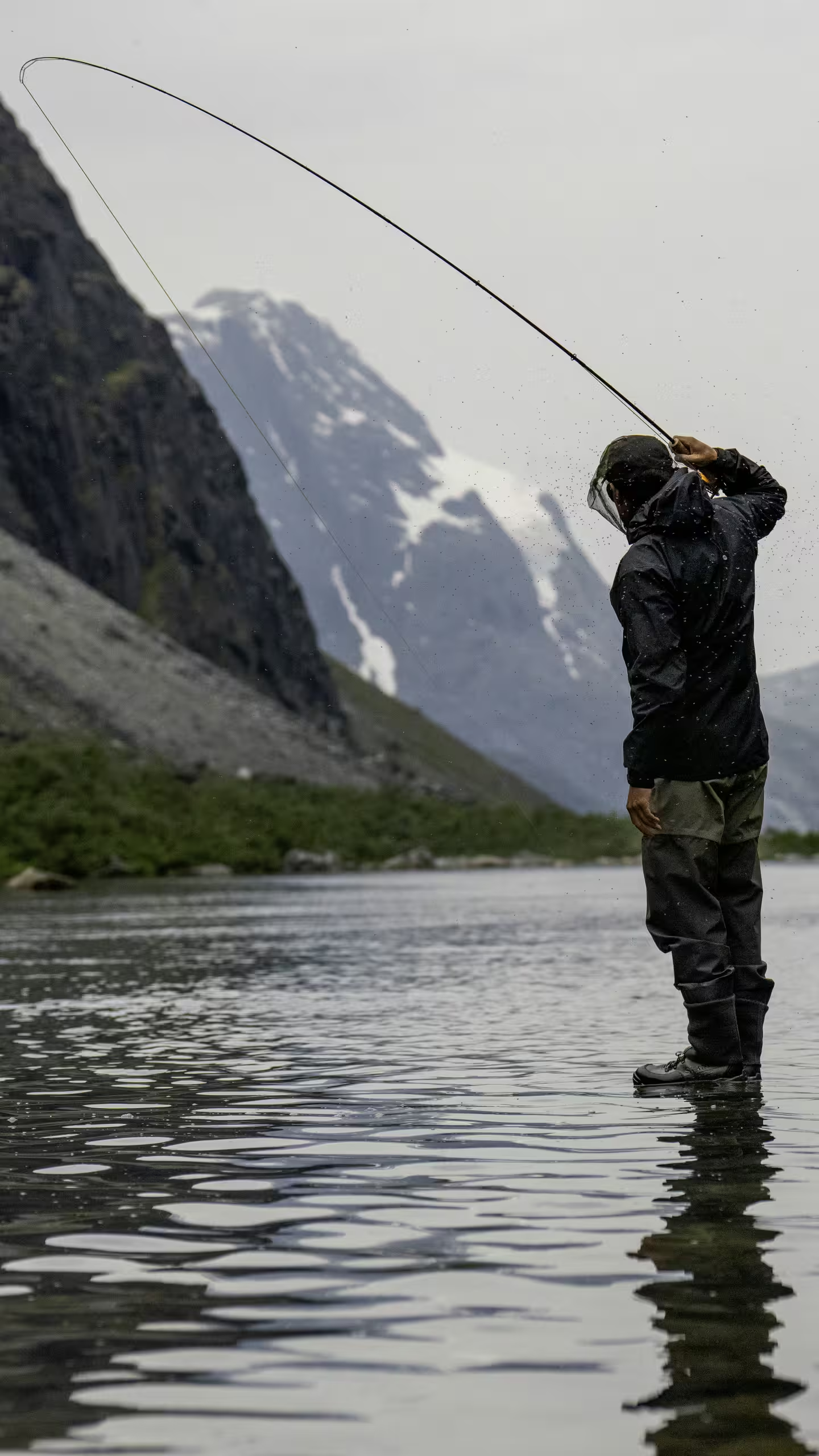
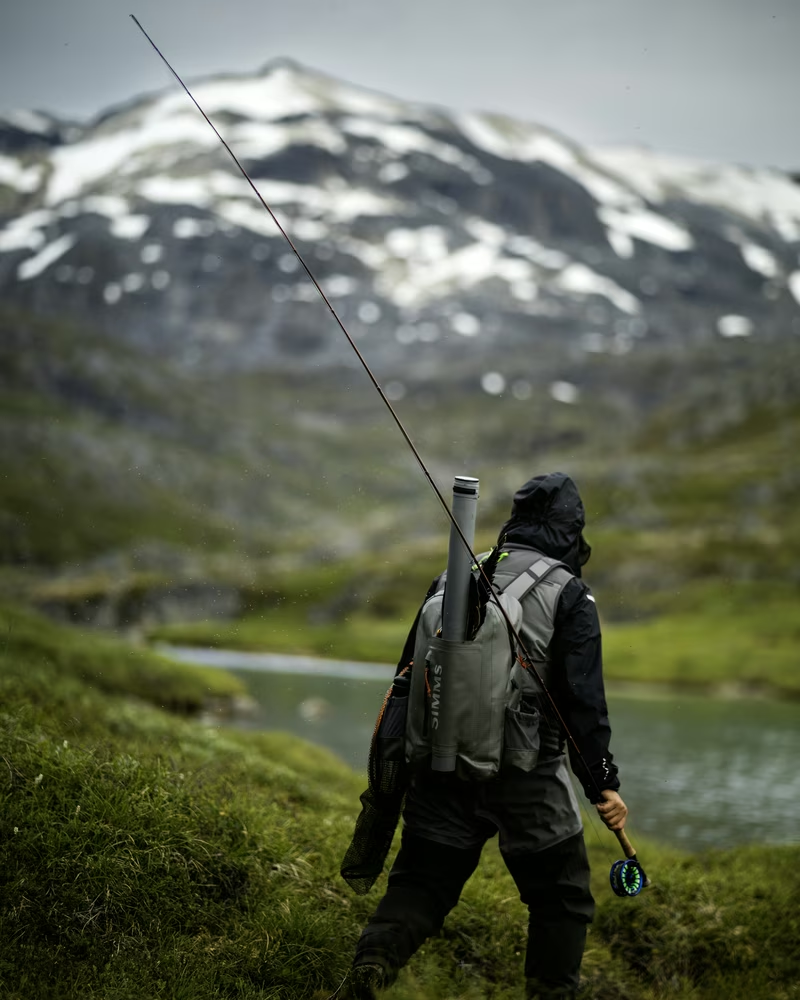
Person fly fishing in a river surrounded by tall mountains with snow patches under gray sky.Person fly fishing in a river with mountain landscape and snow in the background.
Fly fishing

Fly fishing for Arctic char in Greenland

For almost everyone who comes here, fly fishing in Greenland means Arctic char. The runs come through in summer, when the rivers open and the fish move between the sea and the headwaters. We fish the length of the country, from day tours near Nuuk to remote rivers reached only by boat or on foot, matching the trip to the season and the fish.

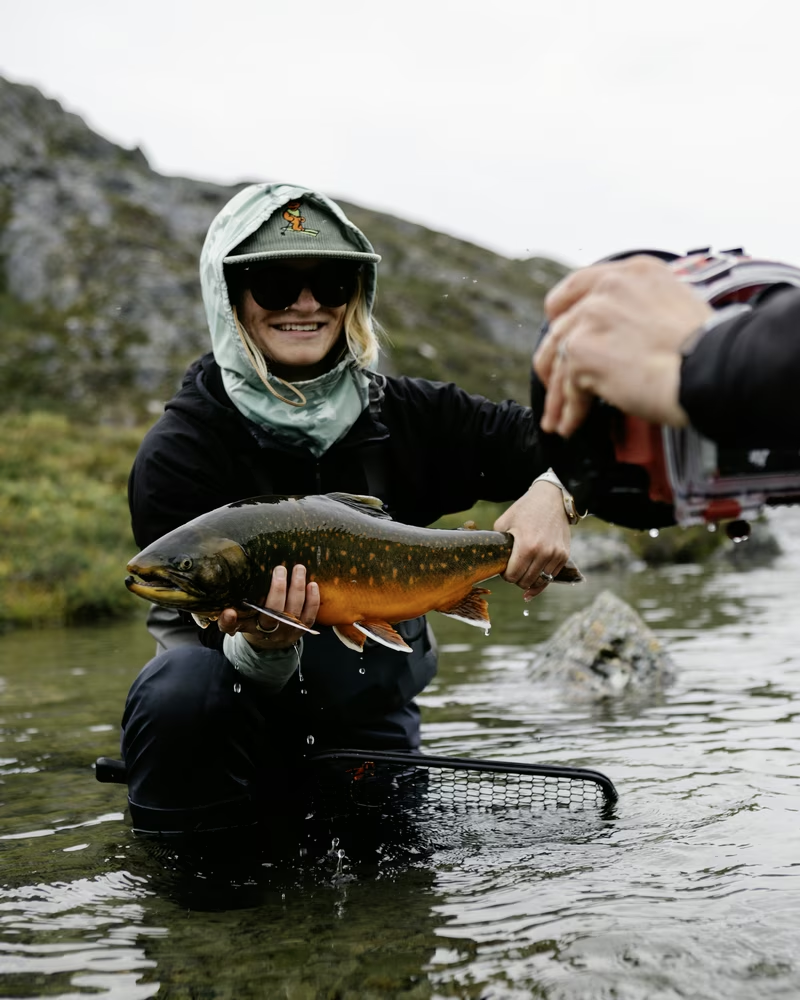
Person in waders holding a colorful fish in a shallow stream as another takes a photo.

Fly fishing in Greenland with our local guides

The fishing here is for Arctic char, a fish that behaves like few others. They run between the sea and freshwater through the summer, changing as they go: silver out of the salt in July, orange and red by the time they spawn in the rivers come August. Early on they move fast in tight pods; by late summer they hold deeper and take flies for different reasons.

We fish for them the length of the country, from day tours close to Nuuk to remote rivers reached only by boat or on foot, and full custom trips built around the season and how you like to fish. Our guides have worked these waters long enough to know which river runs best on the day, often the kind of water barely fished by anyone, where a good day can mean seeing no one else at all. For those who want to settle in, our camp at Isua puts three rivers within easy reach.

Arctic Char, Wild Rivers, Greenland

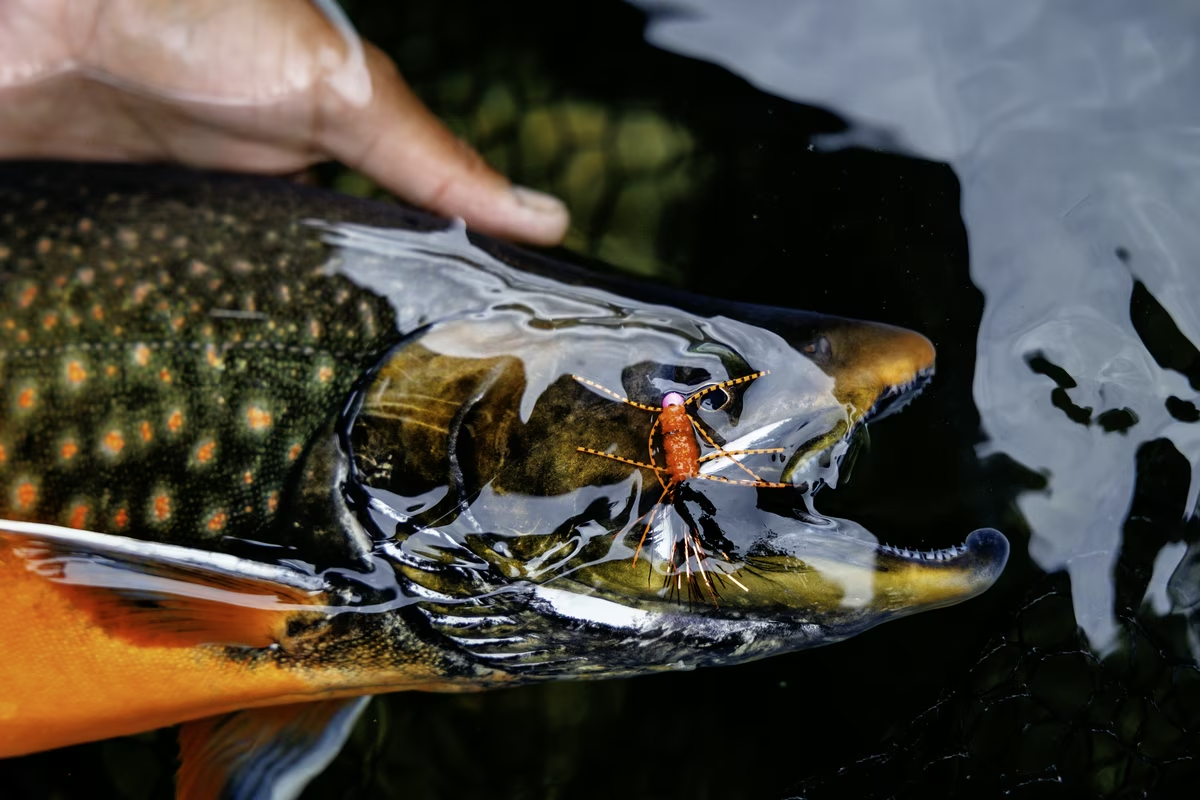
Close-up of a fish with a fishing fly lure in its mouth, held partially in water by a hand.

Choosing the right fly comes with experience and trial. Every day and every pool demands your skill.

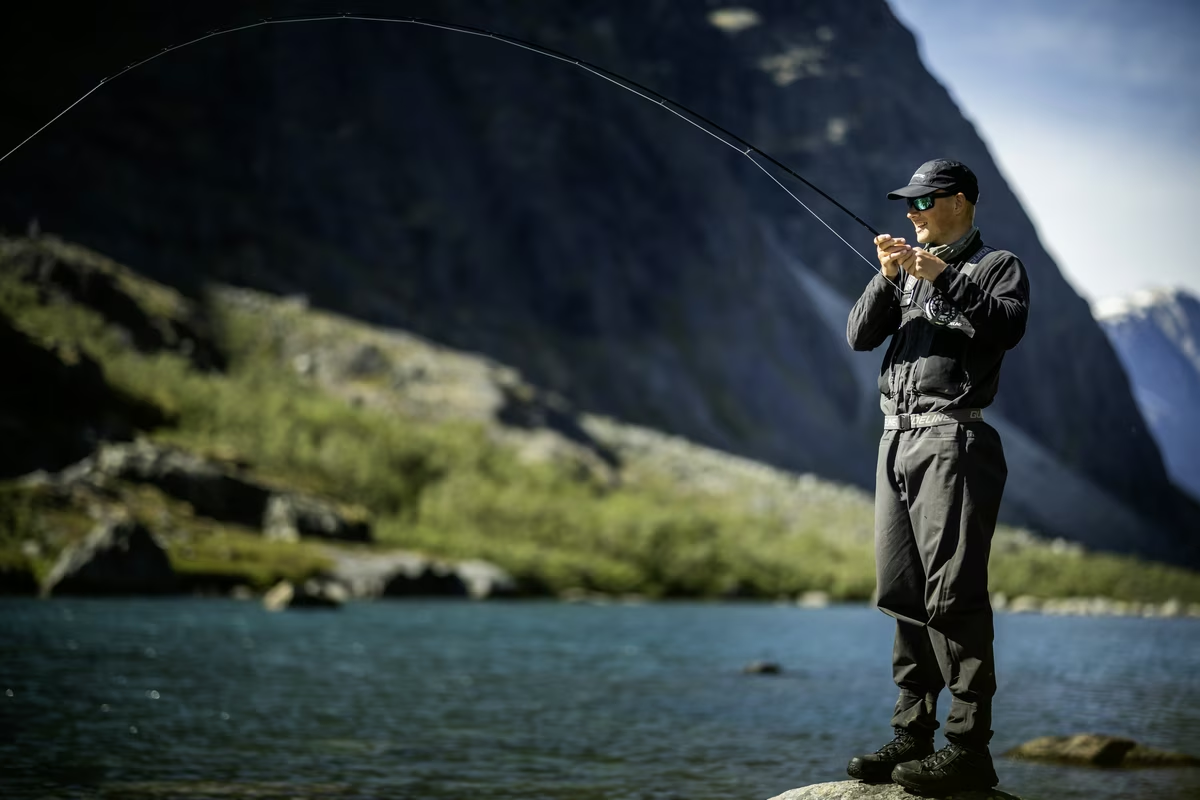
Man wearing sunglasses and cap fly fishing in a river with mountains in the background.

Having a river all to yourself gives you the freedom to fish at your own pace.

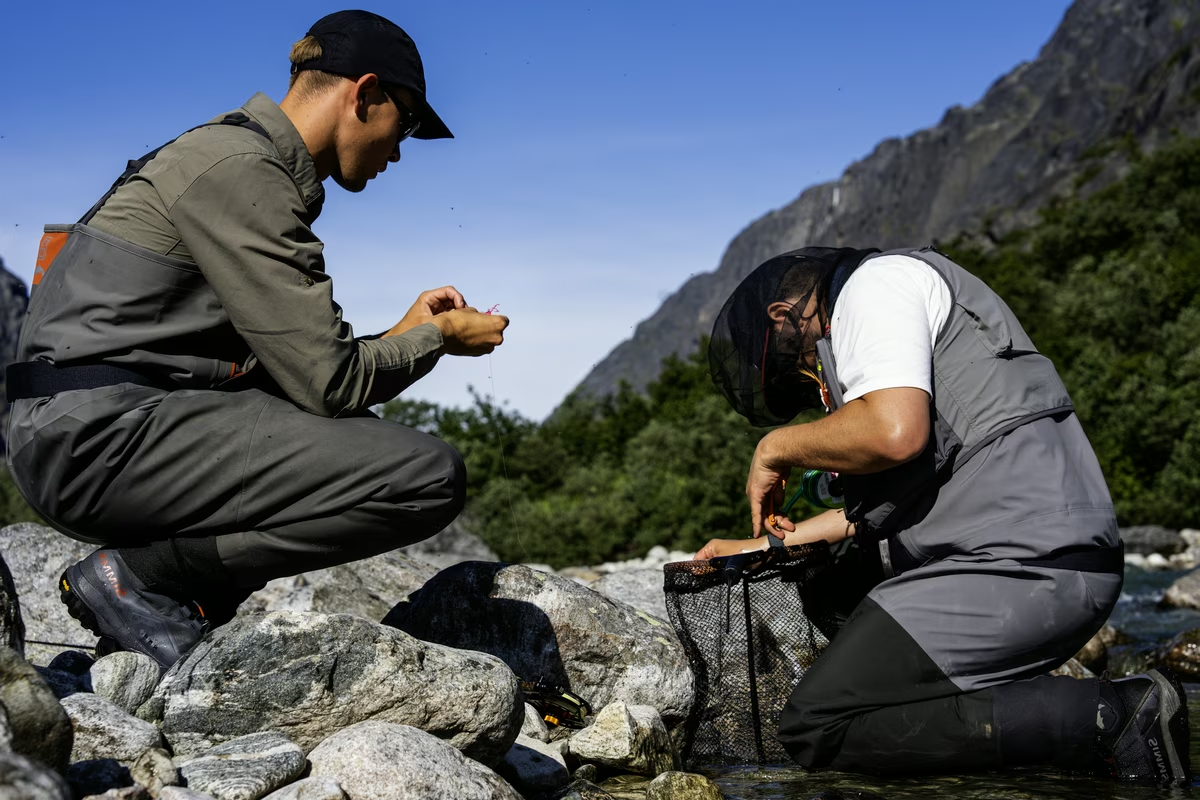
Two men in fishing gear preparing equipment by a rocky stream with mountains in the background.

Your guide becomes your second hand, helping you choose the right fly and net your Arctic Char.

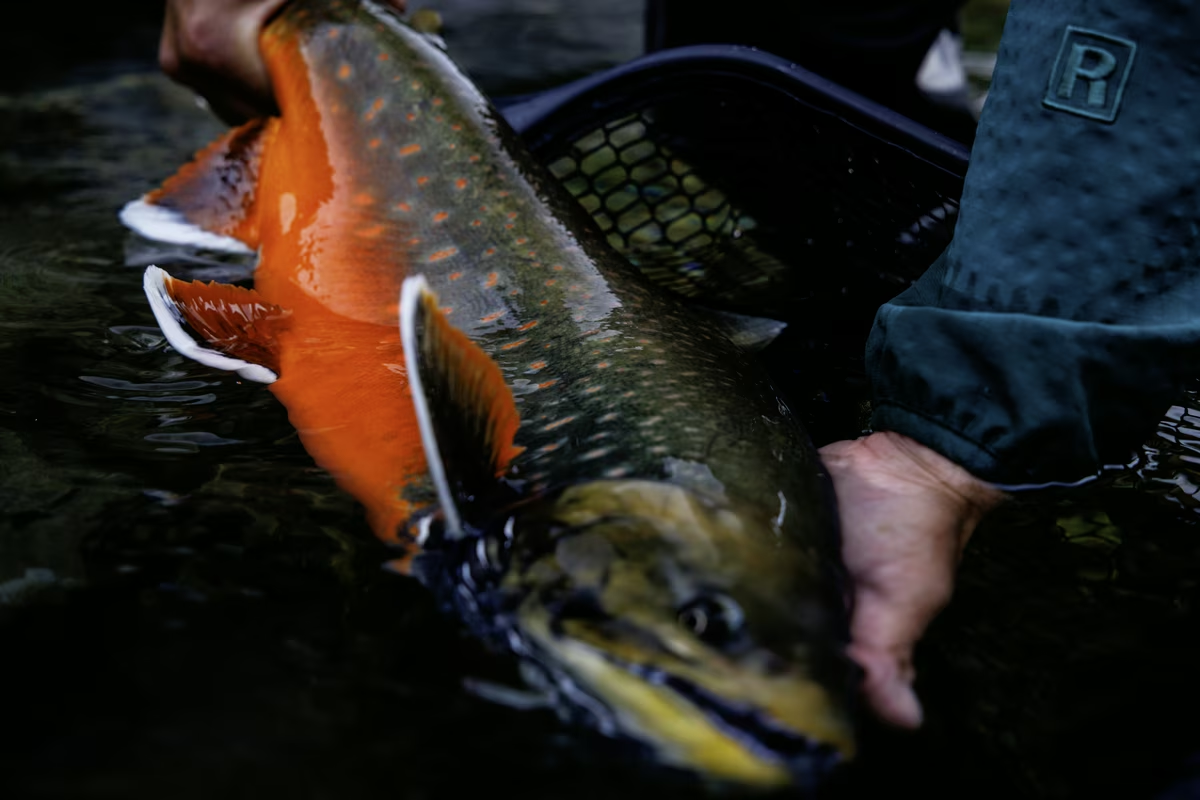
Hands holding a large brook trout with orange belly and spotted dark back in water.

The one fish you won't believe you caught until you're holding it in your hands.

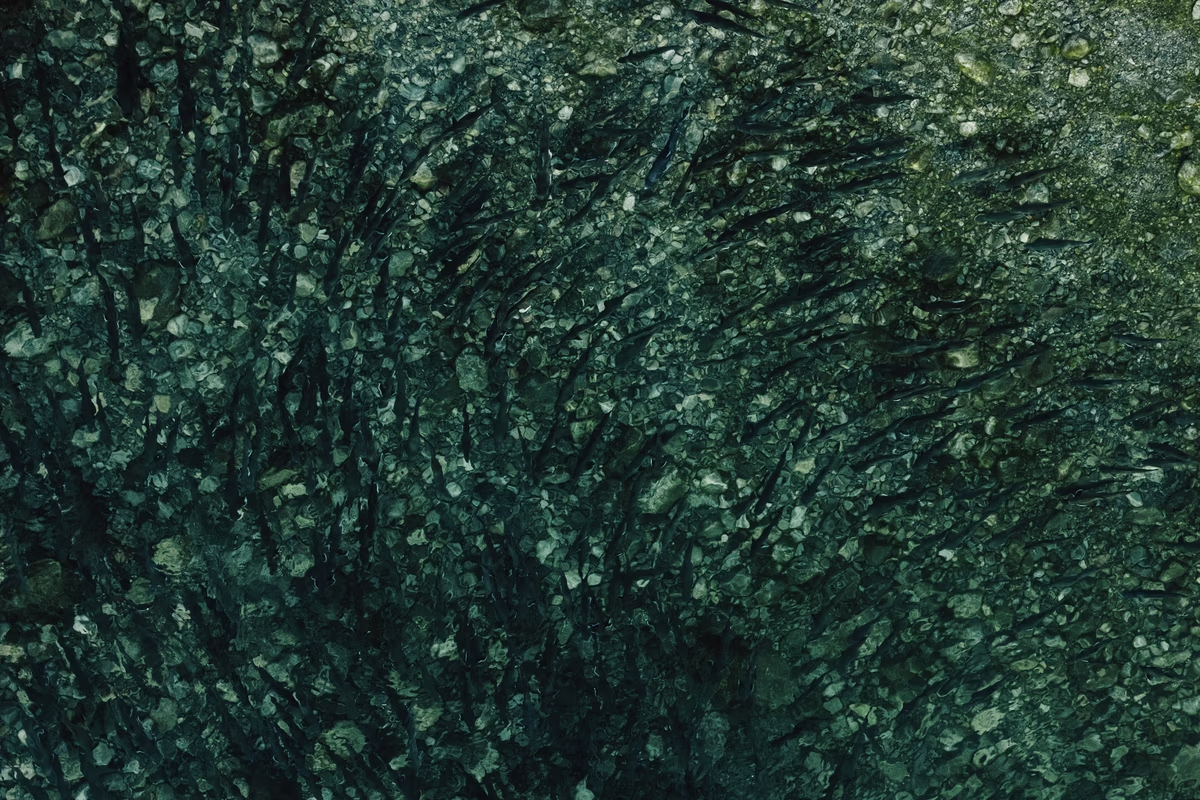
Dense school of small, dark fish swimming over a rocky seabed underwater.

Rivers that offer fishing like nowhere else on earth.

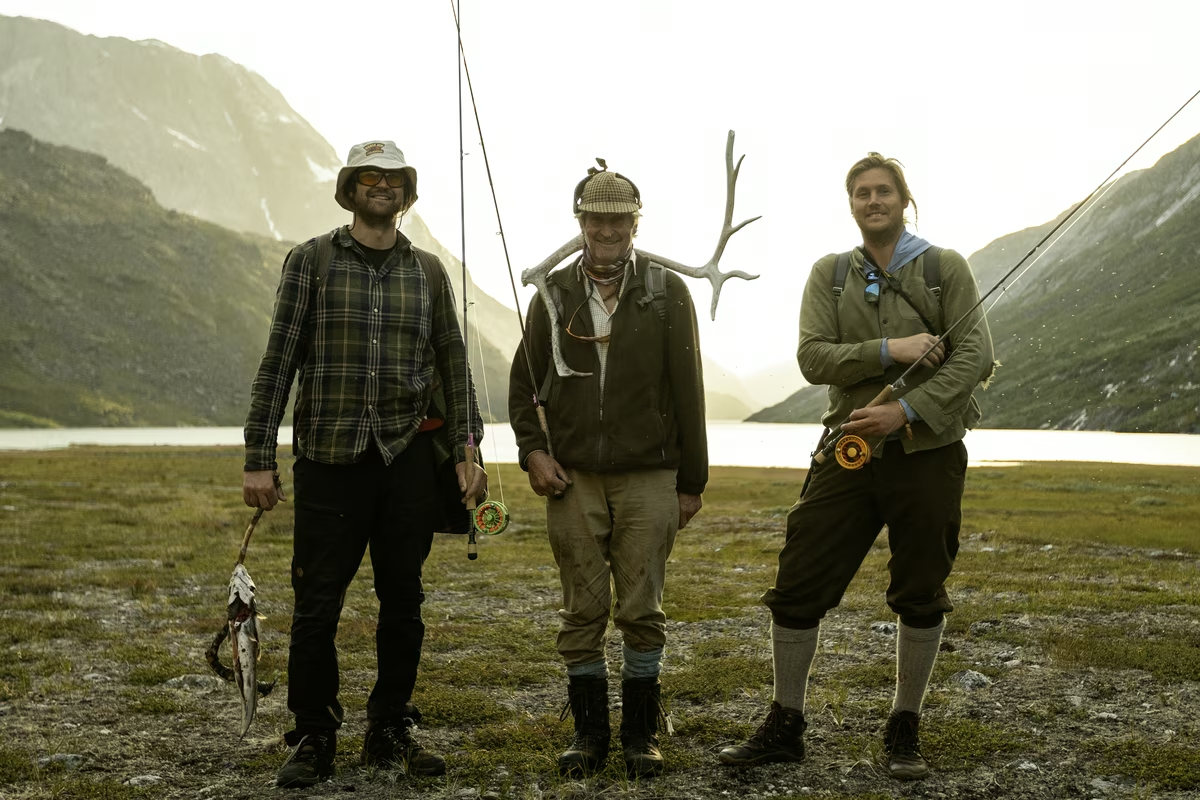
Three men holding fishing rods and a catch, standing on grassy land near a lake and mountains.

Two generations of fly fishers, Camp Isua, and some of the best fly fishing Greenland has to offer.

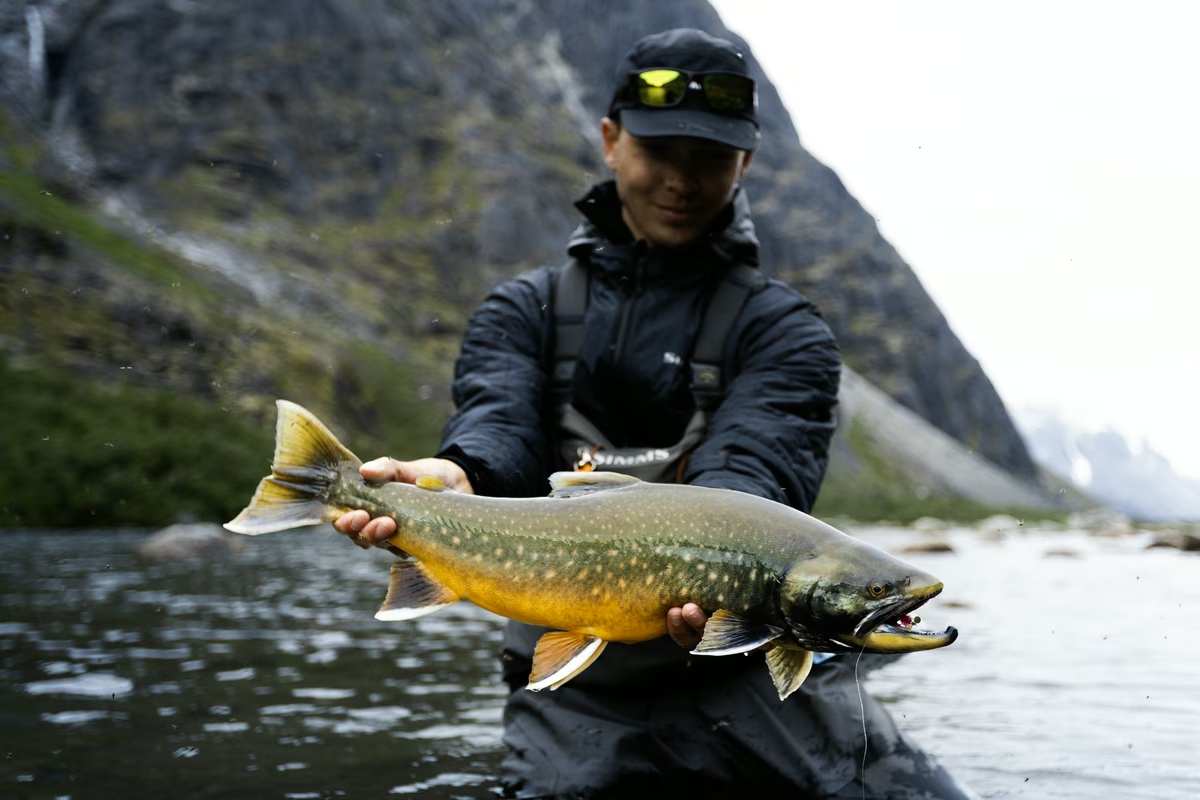
Angler holding a large spotted fish with yellow belly in a mountain river.

Watch the arctic char transform, from shiny silver to deep orange.

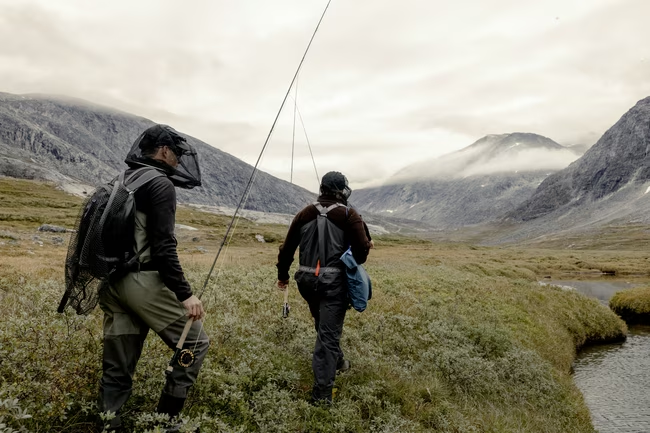
Two fishermen in waders walking through a valley with mountains and a stream on a cloudy day.

Fly fishing in Greenland is as much about the walk as the cast. Moving between pools, reading the river, and finding the fish on your own terms.

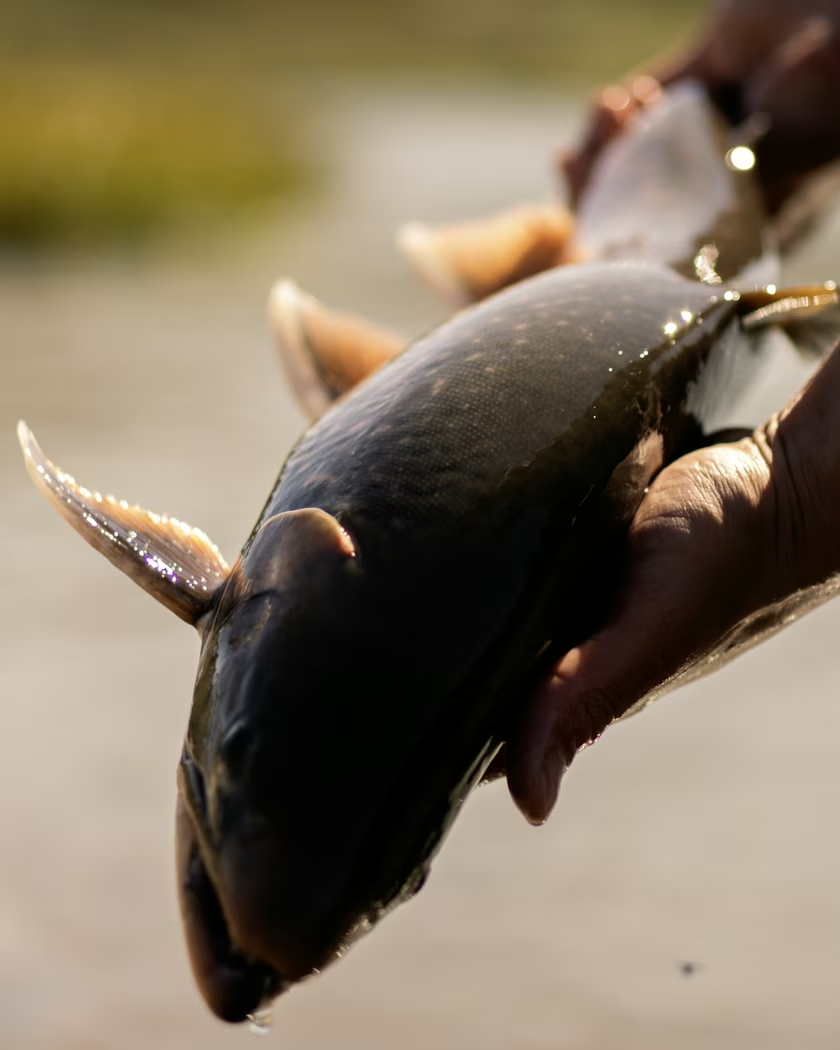
Close-up of hands holding a wet fish with shiny scales and visible fins.
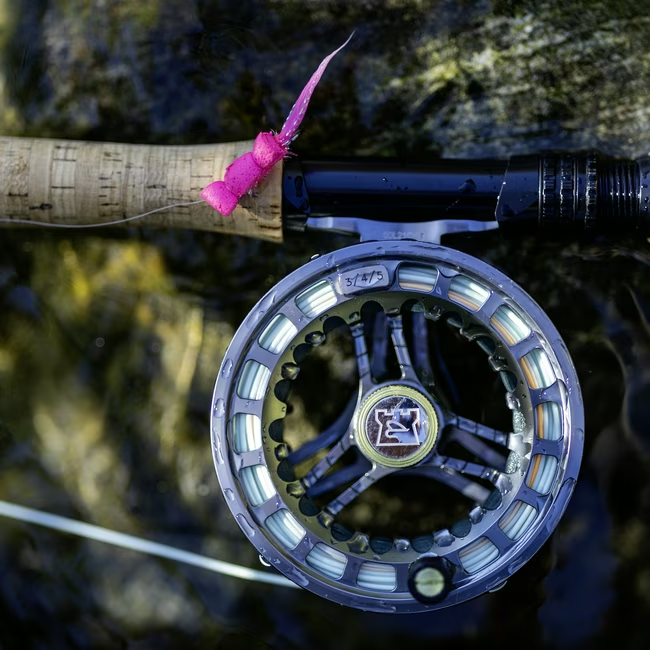
Close-up of a fishing reel attached to a rod with a bright pink fishing fly tied near the wooden handle.

The right rod, the right fly, and water that has never been overfished. Everything here is set up for a day you won't forget.

The fish, the rivers, the gear - this is what you need to know when fly fishing in Greenland

A short read on what's in the water, where camp sits, what we provide, and when the season runs. Get in touch with your dates and what you're after, and we'll put together a trip that fits.

Arctic char

Arctic char (Salvelinus alpinus) are the most northerly freshwater fish on earth and the species the rivers around Camp Isua are built around. They're a sea-run fish in this part of Greenland — spending the winter and early spring in fresh water, dropping down to the sea in late spring to feed, and moving back up the rivers from mid-summer onward to spawn.

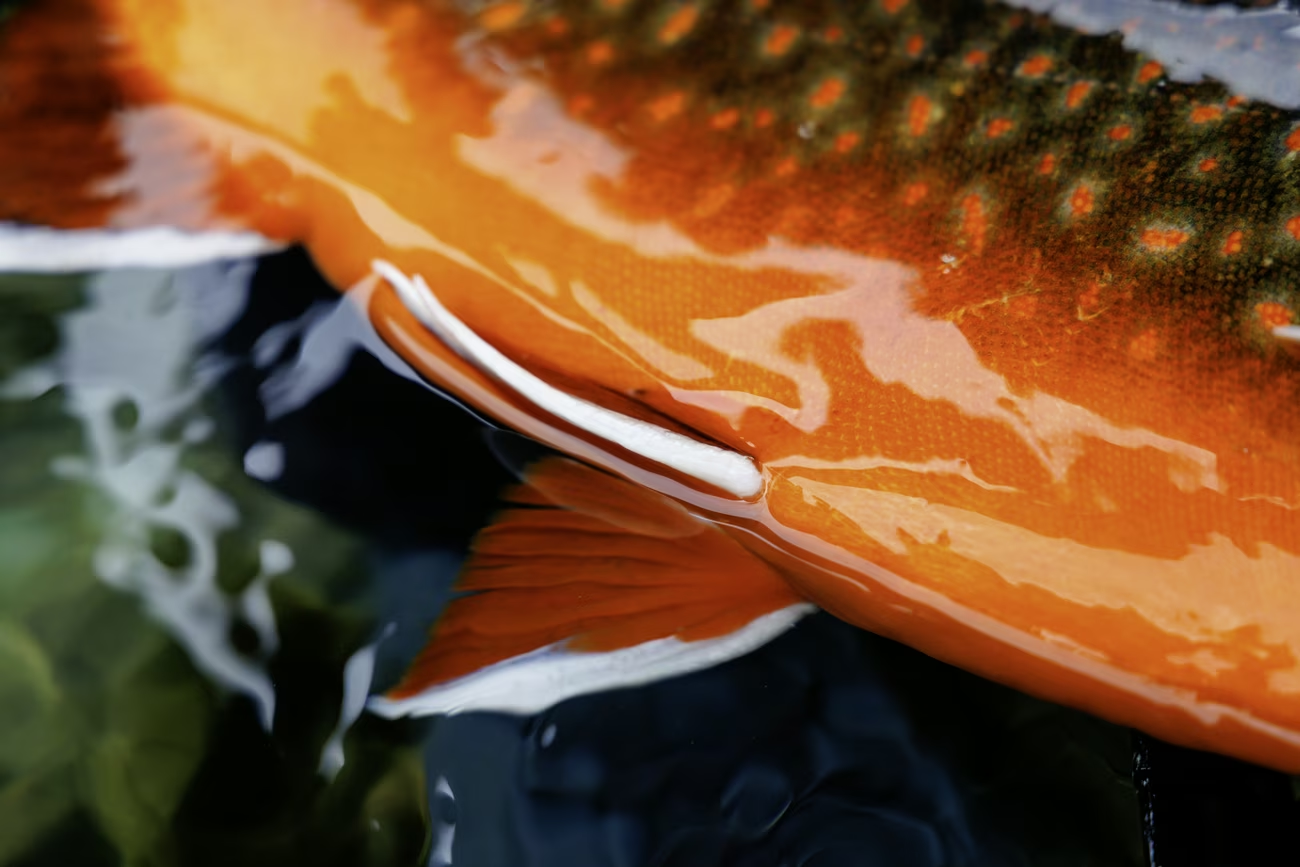
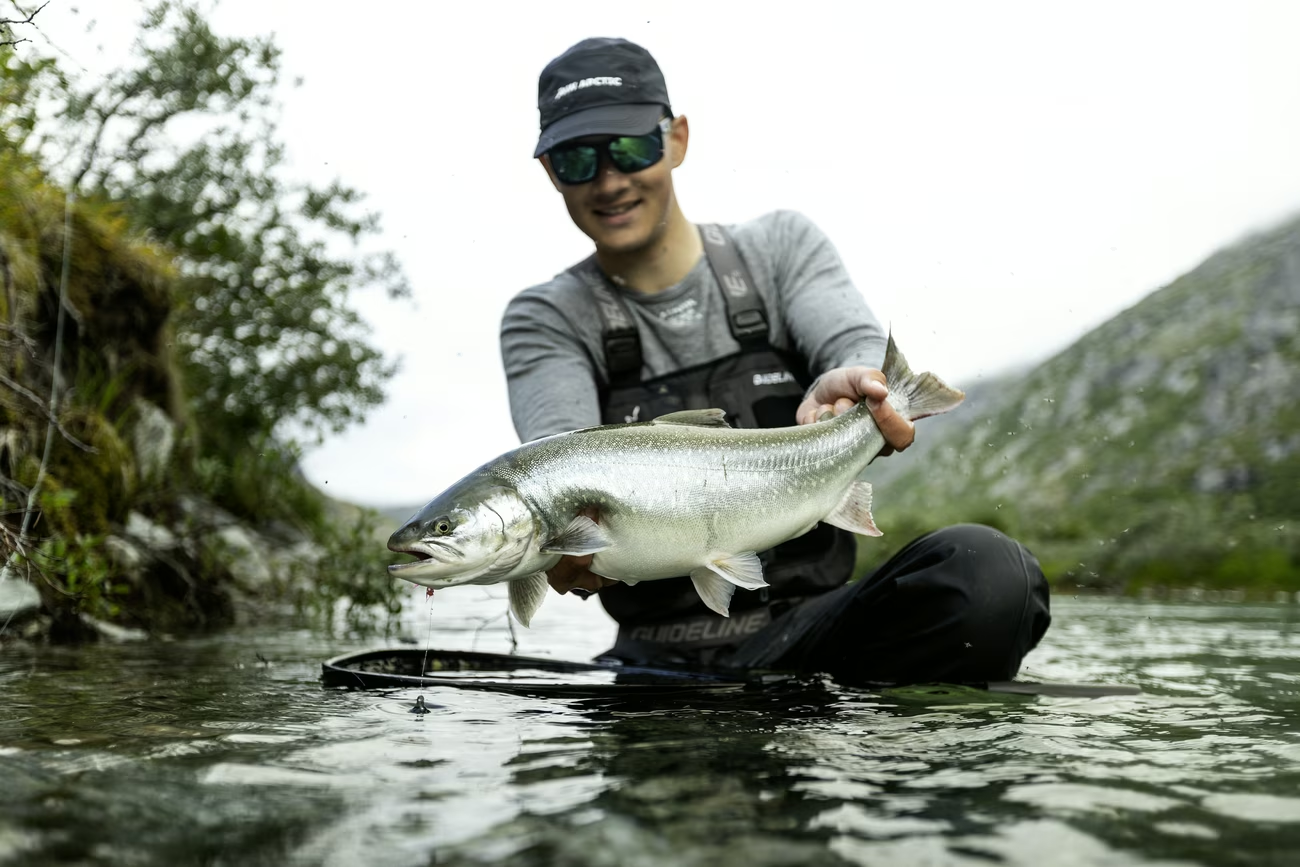
The colour changes track the cycle. Out of the sea they're silver, sometimes almost chrome, with a faint pink along the lateral line. As they spend time back in fresh water their bellies turn orange. By late August and into September the spawning fish are deep red — the males in particular get dramatic, with hooked jaws and white-edged fins.

Sizes vary by river and by year. A normal char at Camp Isua is in the 1–3 kilo range. Larger fish are not rare. The strongest pulls of the season tend to be in the second half of July through mid-August, when the fish are still fresh from the sea but established in the rivers.

Close-up of an orange fish fin with white edges submerged in water.

Camp Isua and the three rivers

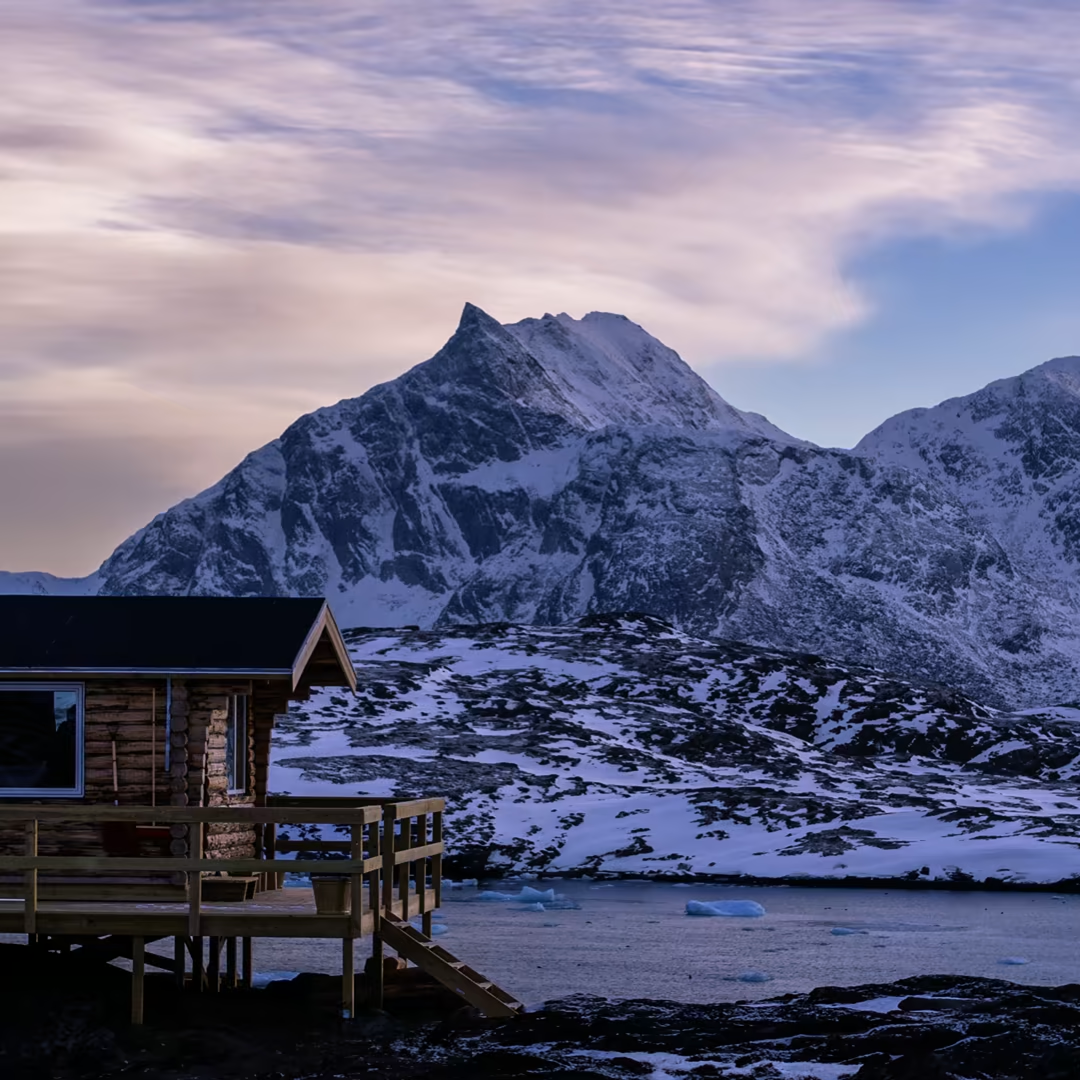
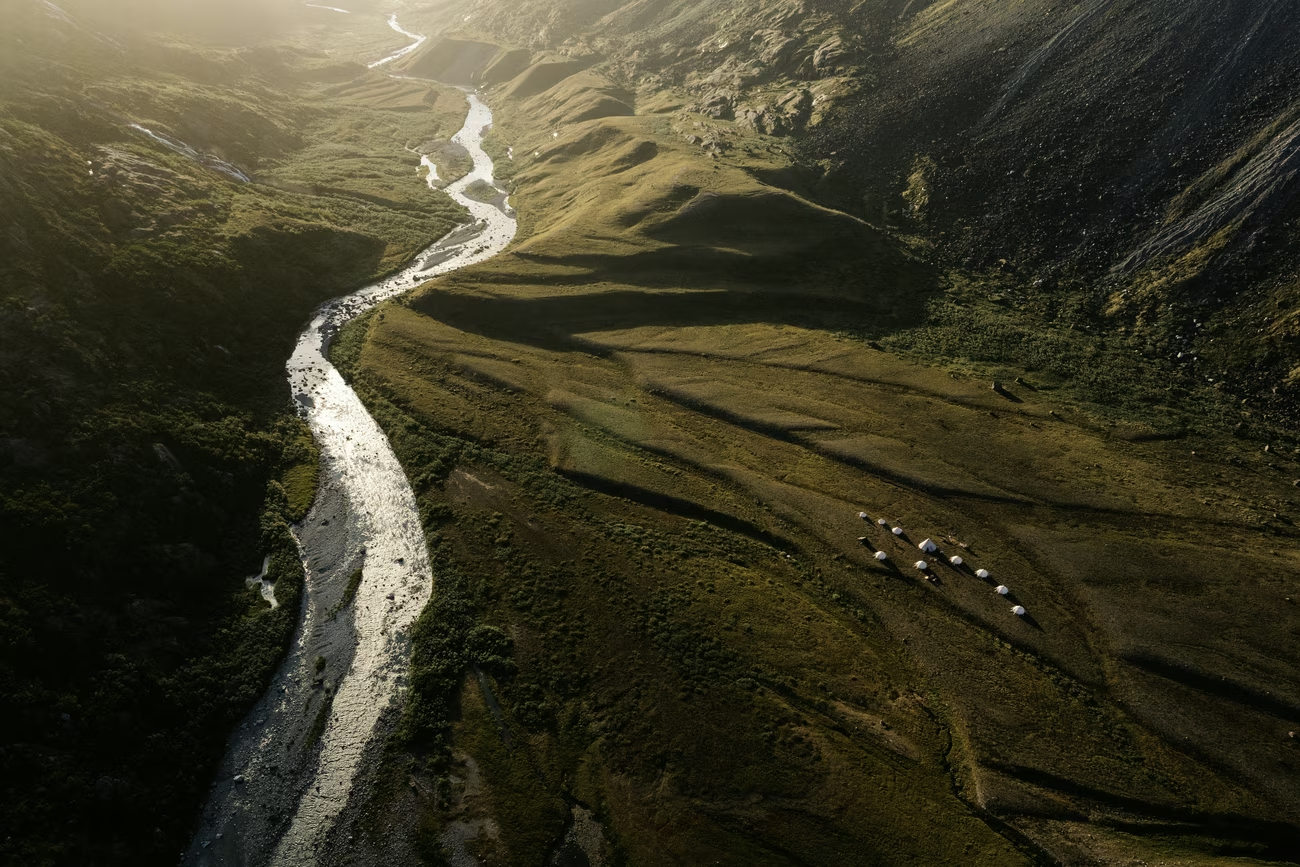
Camp Isua sits at the head of the Kangerluarsussuaq fjord, around an hour south of Nuuk by boat. The camp itself is a permanent set-up wooden cabins, a main building for meals, a drying room for waders. It runs on solar and a small generator. It's basic and it works.

The three rivers in fishing range from camp drain different parts of the same valley system and fish differently from each other. One holds up better in high water after rain. One is best when the river is low and the fish are pooled. The third comes into its own in the last weeks of the run, when the spawning fish are concentrated and aggressive. On most days the guides will look at the water and the weather over breakfast and decide where the day goes.

Longer days reach further upstream by foot. Nothing here requires technical hiking; the ground is tundra and gravel bars rather than steep terrain.

Curving river flowing through a valley with green hills and tents clustered on the right side.

What we provide and what to bring

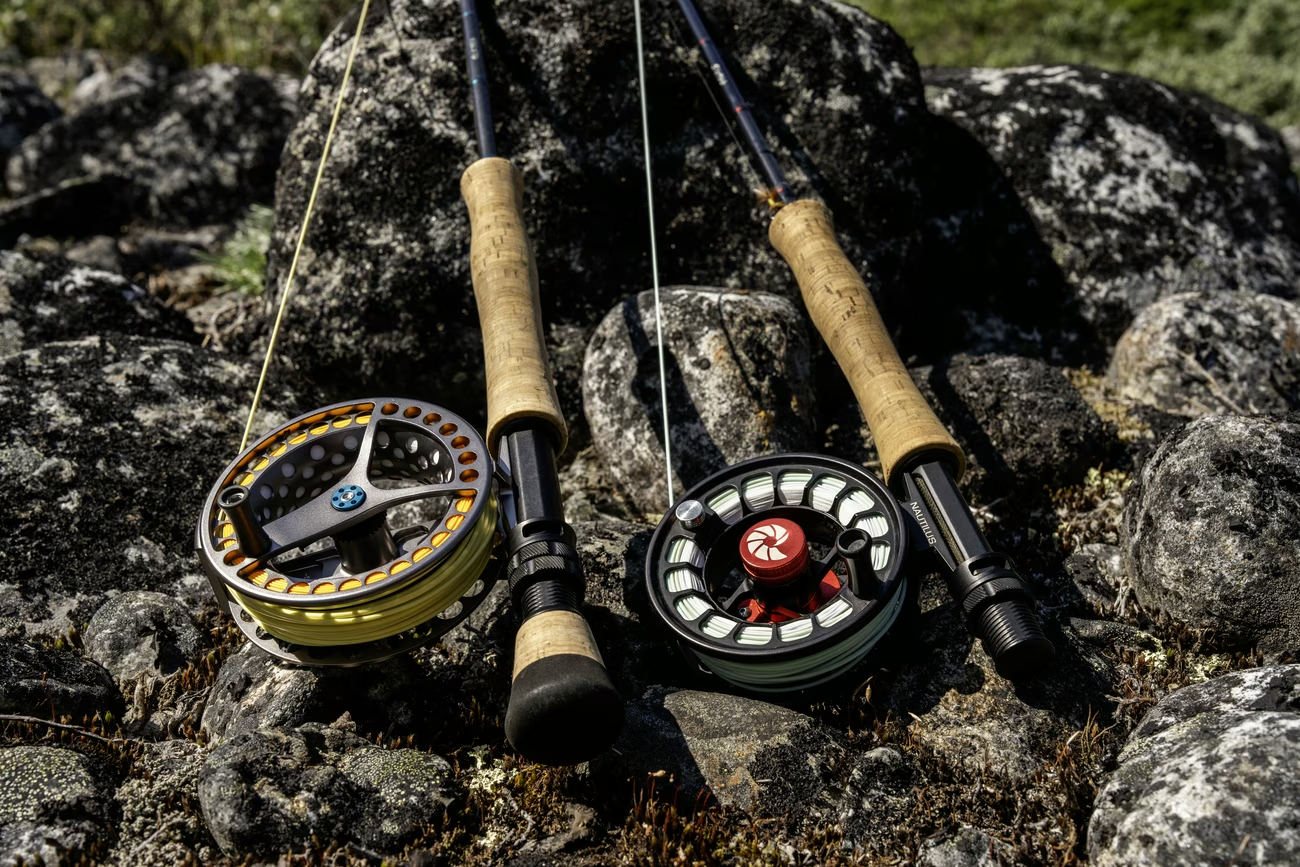
If you're bringing your own setup, a 5 to 7 weight rod is the right range for char in these rivers, with floating and sink-tip lines covering most situations. Bring your own flies too: small streamers in silver and white work well early in the season, and as the fish move into the rivers, beadhead nymphs and bright orange or red patterns fish better. We keep extra at camp if you run low, so you don't need a full fly box to make the most of it. And if you tie your own, bring your materials along, evenings at camp are made for it, and there's nothing quite like catching a wild Arctic char on a fly you tied yourself.

A few things worth packing yourself: polarised sunglasses (the water is clear, and reading it is most of the fishing), a warm mid-layer, and a waterproof shell. Greenland's summer weather can move through most conditions in a single day, so layers matter more than anything.

Once you're booked, we'll send a full gear guide covering what works on these rivers through the season.

Two fly fishing rods with reels resting on rocky ground outdoors.

By season

Early summer (Start-July to mid-July)

The rivers open up and the first fish rise up near the river mouths and the largest migrate up. Fish are silver, fast, and feeding hard after the winter. Long days — close to twenty-four hours of light around the solstice.

High summer (mid-July to mid-August)

The strongest period in most years. Char are running in numbers, the colour starts shifting to orange, and the fish are in their fighting weight. This is the window most guests choose if they're picking one.

Late summer (mid-August to mid-September)

Spawning fish are at their reddest. Fish are holding rather than running, sitting on redds and defending water. The fishing changes — slower, more visual, often more rewarding in a different way. The light goes from twenty-four-hour to a proper sunset by late August.

Outside the season

The rivers freeze and the fish overwinter under the ice. Camp Isua closes in late September.
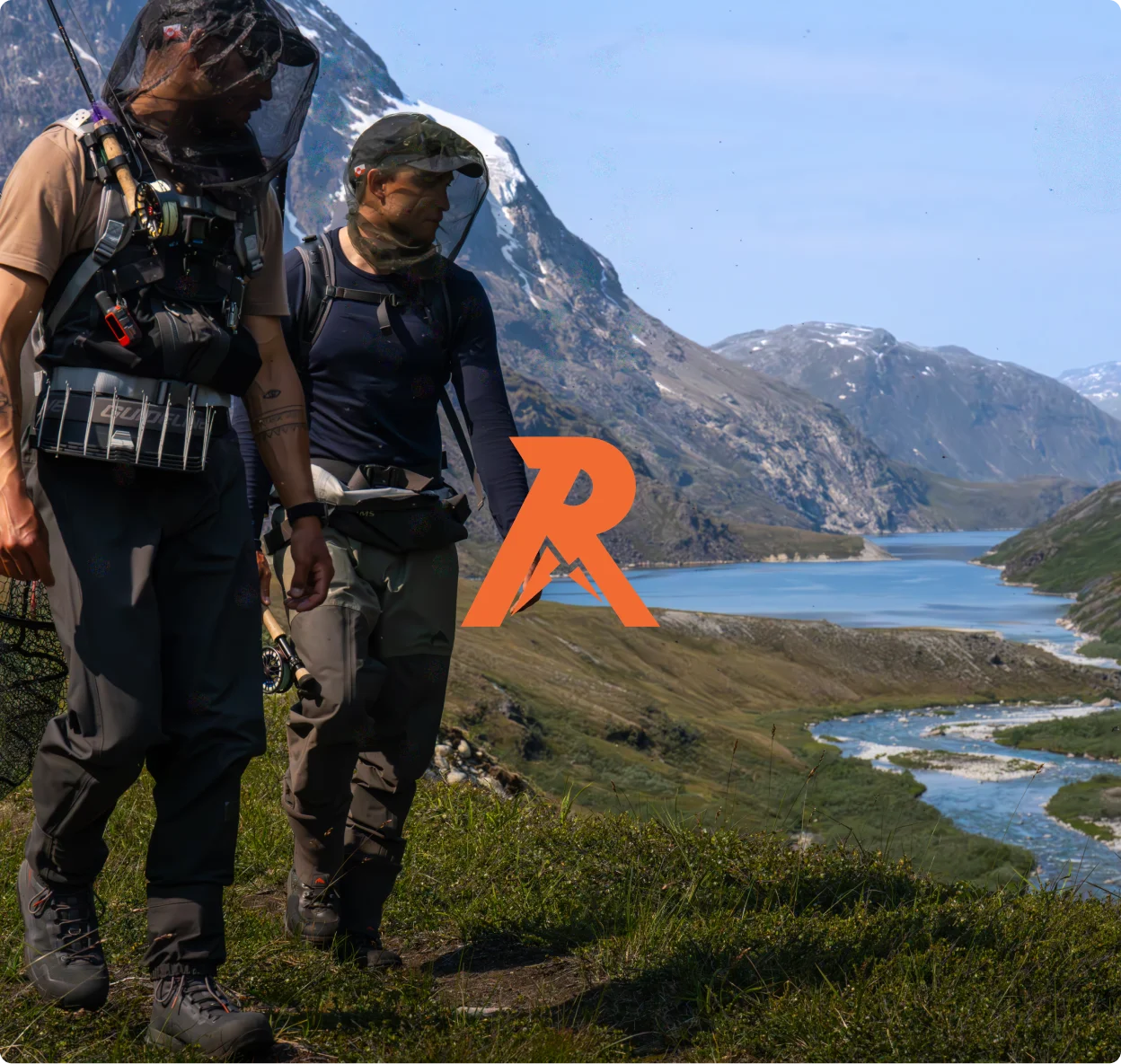
Man wearing fishing gear holding a large silver fish while standing in water near greenery and hills.

Getting to the rivers

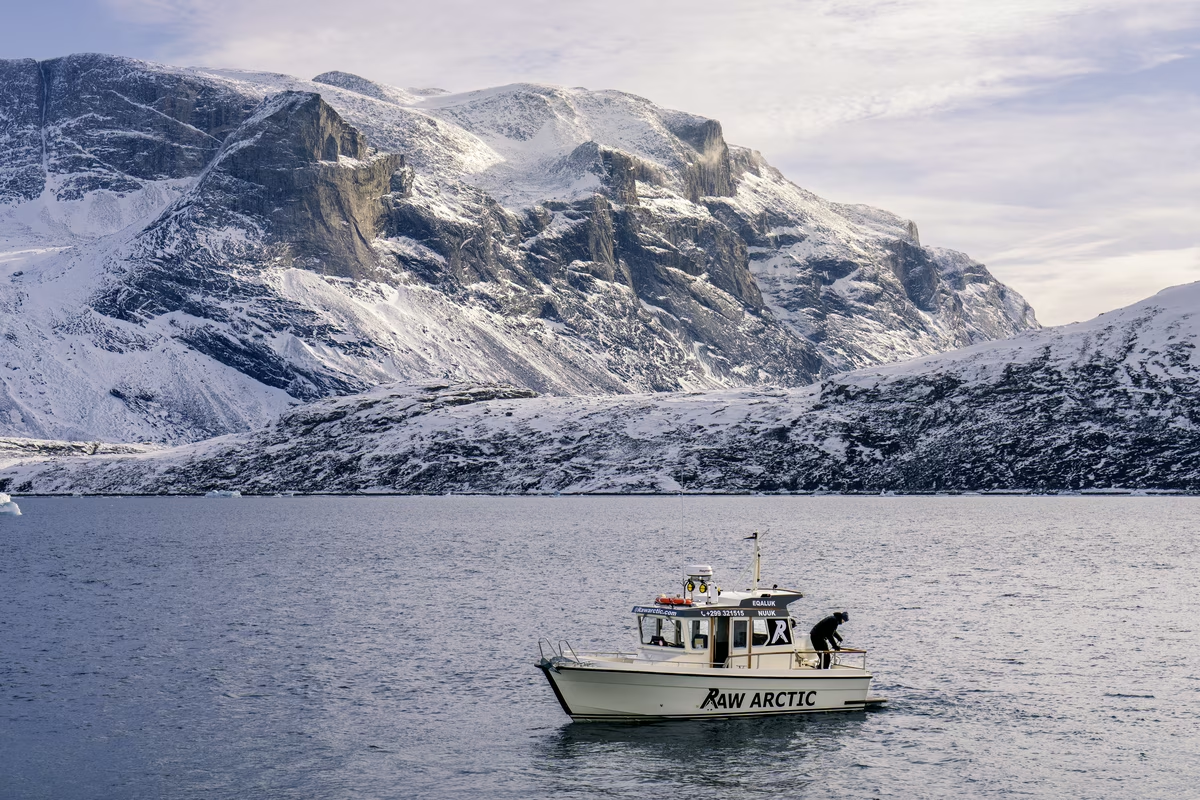
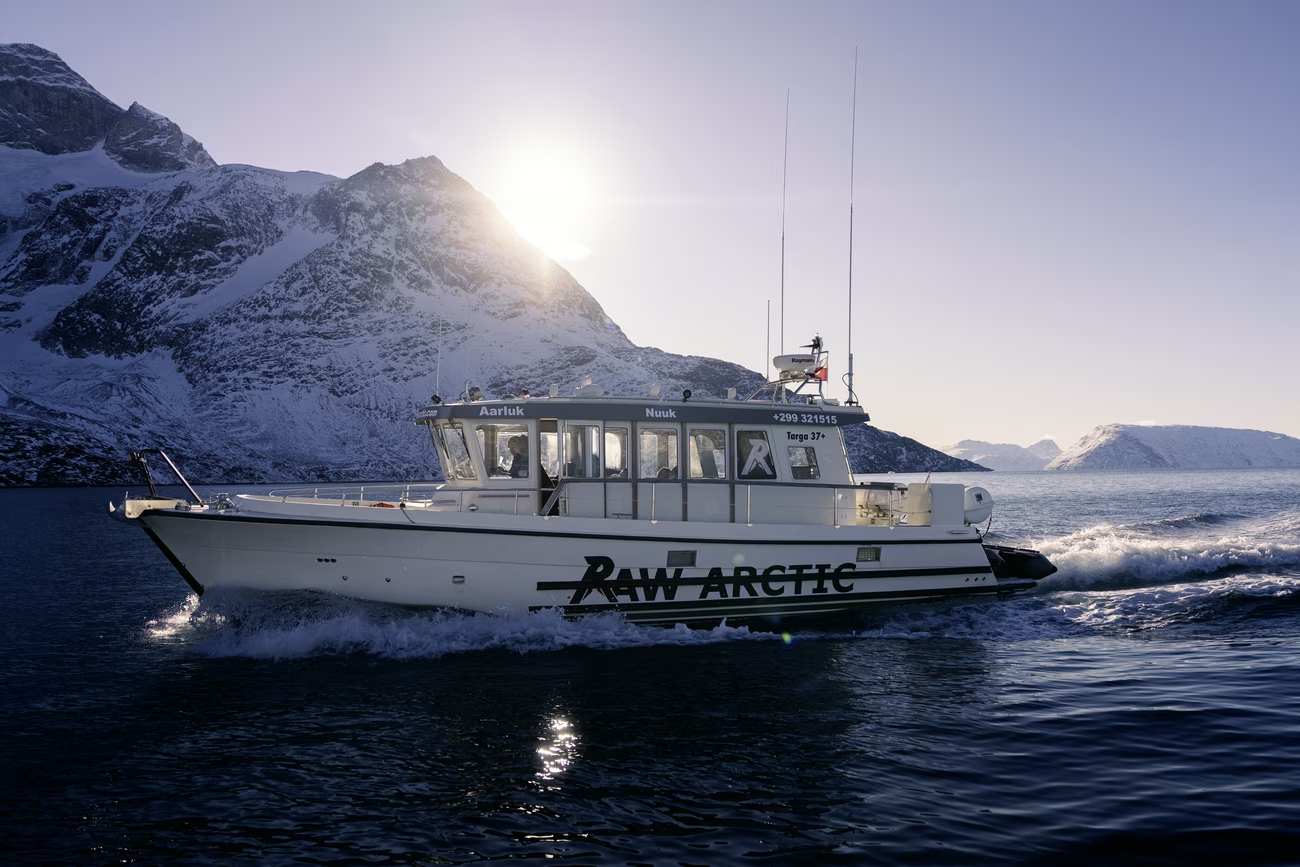
Trips start in Nuuk. International flights run in from Copenhagen, New York, and from Iceland in summer, and from there the water takes over. We reach our fishing grounds aboard our own Targa boats, run by local captains who have spent their lives on these waters. Some rivers are an hour down the fjord; others sit further out along the coast. The boat is what opens them up, taking you well beyond where the roads end to water few anglers ever reach.

We'd suggest arriving in Nuuk a day before your trip starts. Flights into Greenland are weather-dependent, and a buffer day means a missed connection doesn't cost you a day of fishing. We can help with accommodation in Nuuk for the night either side, and from the moment you land, the boats, the routes, and the logistics are ours to handle.

White Raw Arctic boat cruising on water with snowy mountains and sun in the background.
Person fishing near a river in a mountainous landscape with snow patches on peaks.

Why fly fish in Greenland

Greenland is one of the last places on earth where you can fish water that has barely been touched. The rivers run straight off the ice, clean and cold, through a landscape with no farms, no industry, and almost no one else casting a line. The Arctic char here aren't pressured or stocked. They live as they always have, wild fish in a wild system that still works exactly the way nature intended.

That's what sets the fishing apart. With a tiny population spread across a vast country, whole rivers go entire seasons without seeing an angler. You're not fishing behind anyone. You're fishing intact, self-sustaining runs in some of the cleanest water left anywhere, the kind of place that's become almost impossible to find. For us, protecting that is part of the point, and sharing it responsibly is how we keep it that way.

1 / 5

What our guests say:

"What Raw Arctic provides is nothing short of spectacular, and it extends far beyond the world-class fishing. Camp Isua is one of the most breathtaking places we’ve ever been, and that’s saying a lot”

Tight Loops

United States

“This is a place and a trip that will always hold a special place in my heart. The memories, the friendships, the breathtaking landscapes, and the incredible fishing are something I will carry with me for the rest of my life.”

Ludwig Östman

Sweden

Common questions about fly fishing in Greenland

Everything you need to know before booking a fly fishing trip to Greenland: the fish, the rivers, the gear, and how a trip comes together. Get in touch if your question isn't here, a local is always happy to help.

What fish are we actually targeting?

Arctic char, almost exclusively. They're a sea-run species in this part of Greenland — silver early in the season and red by spawning time in late August and September. Normal fish at Camp Isua are 1–4 kilos. Larger fish are not unusual. Atlantic salmon are present in some Greenlandic rivers but the camp rivers are arctic char water.
When is the best time to come?

The season runs through the Arctic summer, roughly late June into September. Early on, the char are fresh from the sea, silver and fast, moving in tight pods. As summer goes on they push into the rivers and turn orange and red ahead of spawning, holding deeper and taking flies for different reasons. There's no bad time, just different fishing, and we'll match your trip to what you want from it.

Do I need to be an experienced fly fisher?

No. We guide anglers across every level, from first-timers learning to cast to seasoned fishers chasing wild water. Our local guides read the rivers for you and put you in the right place, so the learning curve is gentle and the fishing is rewarding from day one. Tell us your experience and we'll shape the day around it.

What kind of trips do you offer?

Everything from a guided half-day out of Nuuk to multi-day journeys deep into remote country, plus fully custom trips built around the season and how you like to fish. Single angler or a small group, a few hours or a full week, we tailor the trip to your timing, your level, and the water that's fishing best.

How do I get to the rivers?

Trips start in Nuuk, with international flights in from Copenhagen and, in summer, Iceland. From there the water takes over. We reach our fishing grounds aboard our own Targa boats, run by local captains who have spent their lives on these waters, opening up rivers well beyond where the roads end. We'd suggest arriving in Nuuk a day early, since flights into Greenland are weather-dependent and a buffer day protects your fishing.

What gear do I need to bring?

A 5 to 7 weight rod suits char in these rivers, with floating and sink-tip lines covering most situations. Bring your own flies if you can, and your tying materials if you tie, though we keep extra at camp if you run low. Pack polarised sunglasses, a warm mid-layer, and a waterproof shell, since Greenland's summer can move through most conditions in a day. Once you're booked, we'll send a full gear guide.

Do you practise catch and release?

Yes, for the most part. These rivers hold wild, self-sustaining runs of Arctic char, and looking after them is how they stay that way. We handle fish carefully and release most of what we catch, while keeping a few for the table when it makes sense, char straight from the river is part of the experience. Our guides will show you the right way to handle and release fish so the water fishes just as well for the next angler, and the next season.

Meet our fly fishing guides

Casper Frank Møller

Chief Executive Officer, Co-founder

Responsible for the commercial side, sustainability, and executive decisions. Casper is educated in innovation and entrepreneurship with years of experience as a fly fisher.

Lucas Frank Møller

Fishing Manager and Operations Specialist

Responsible for fishing operations and ensuring safety during expeditions in Greenland’s wilderness. With years of experience as an infantry soldier and training as a combat medic.

Marcus Frank Granhøj Jensen

Fishing Guide & Producer

Marcus is a fishing guide, photographer, and video producer dedicated to capturing Arctic wildlife and adventure. With a passion for visual storytelling, he brings Greenland’s raw beauty to life through his lens.

Sven R. Hougaard

Fly Fishing Guide

Sven is responsible for fly fishing guiding in Camp Isua. He has years of experience, with a flair for professional photographing.

Let's plan your fly fishing trip

Start planning your trip. Tell us when you'd like to come and how you like to fish, and we'll put together a journey to match. Get in touch, you'll always reach a local who knows the water.

Please fill out the form

We will get back to you as soon as possible

Thank you! Your submission has been received!
Oops! Something went wrong while submitting the form.