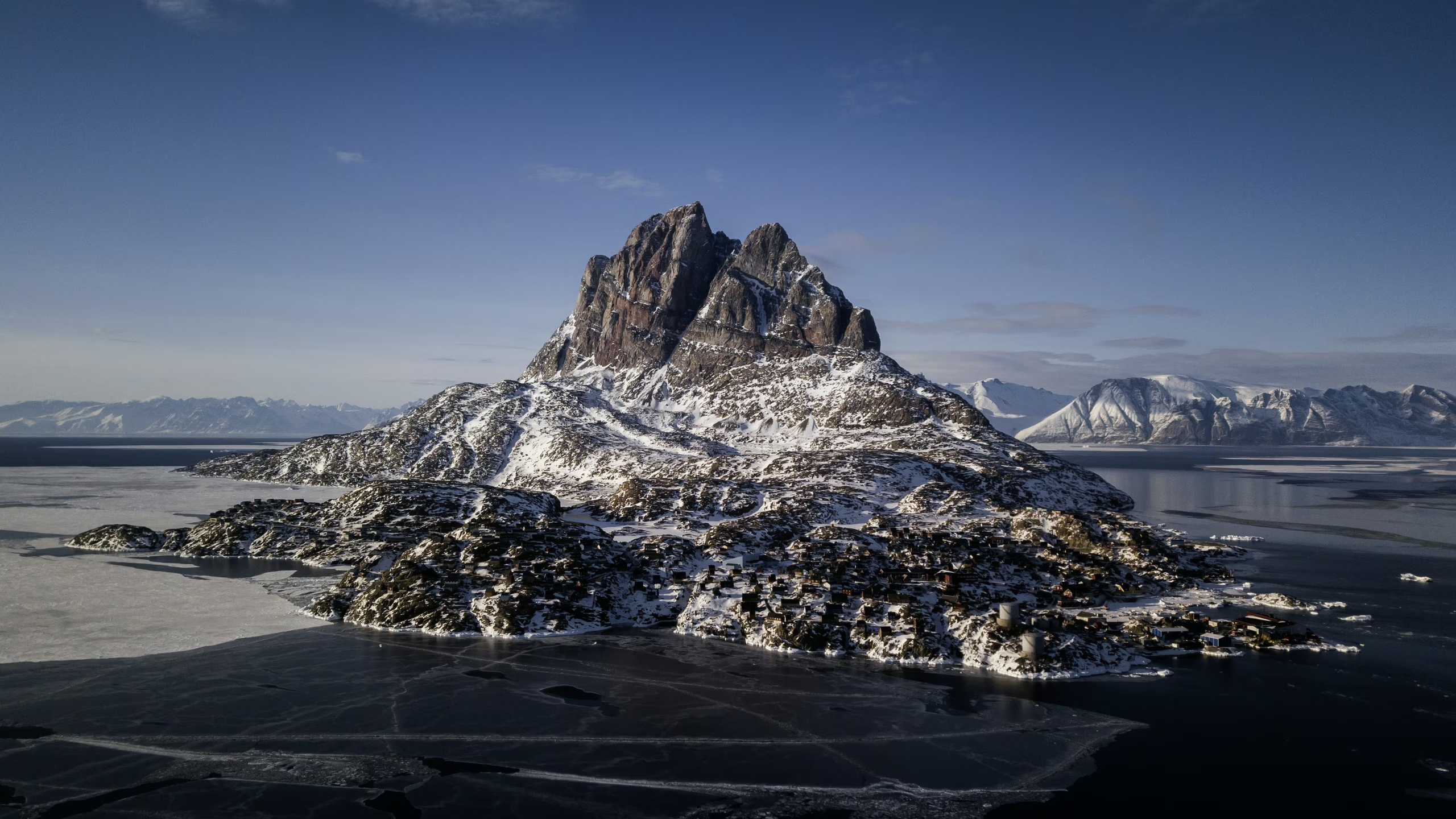
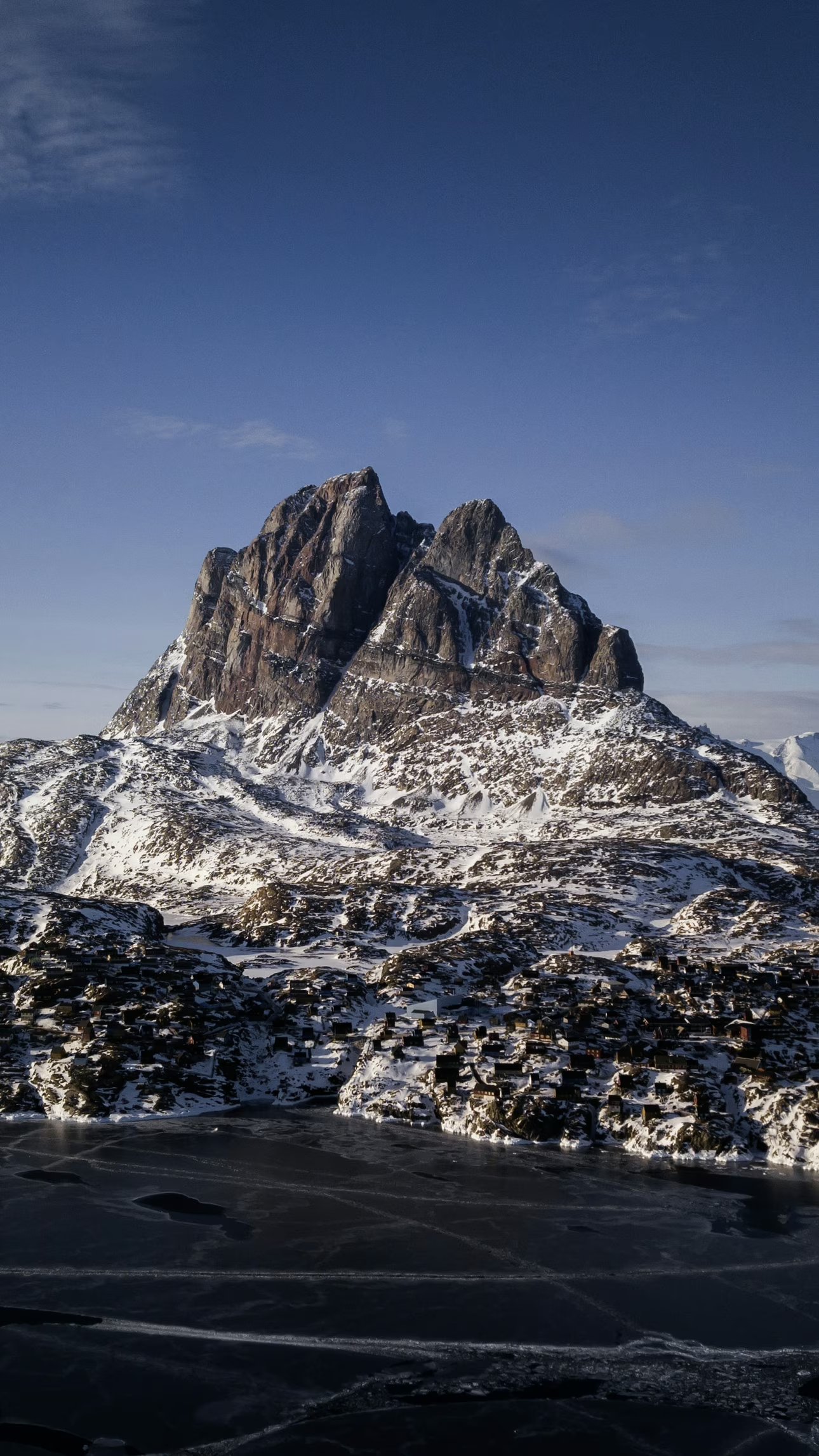
Snow-covered island with rocky mountain peak surrounded by icy sea under a clear blue sky.Snow-covered rocky mountain towering over a frozen lake and scattered houses under a clear sky.
north greenland

North Greenland, where the Arctic feels truly remote

North of Disko Bay, the towns get smaller and further apart. Uummannaq, Upernavik and Qaanaaq are communities shaped entirely by hunting, dog sledding and sea ice. The infrastructure is thinner. The landscape is more severe. People have been living here, in more or less the same way, for a very long time.

Photo by Aningaaq Rosing Carlsen - Visit Greenland - uumannaq from far
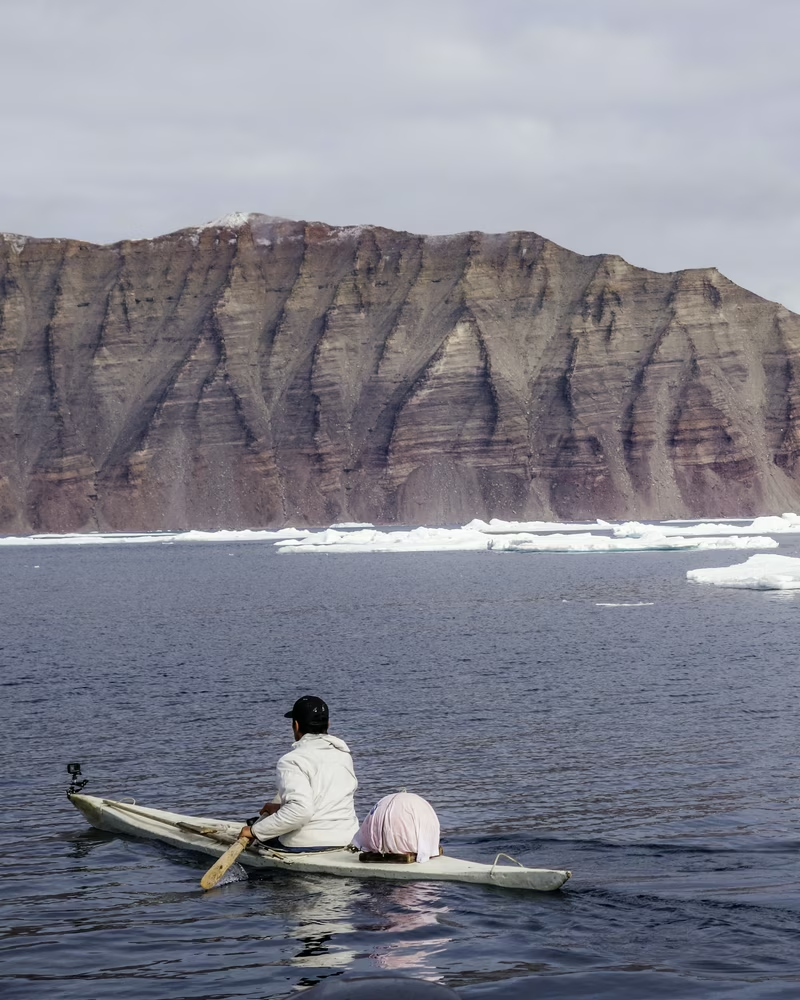
Person paddling a kayak on calm water with icebergs and a rocky cliff in the background.

A coastline built on hunting, ice, and the distance between towns

North Greenland is a loose term for the coastline running from Uummannaq in the south to Qaanaaq near the top of the island, roughly 1,500 kilometres with only a handful of communities in between. The common thread is sea ice, which sets the calendar: when it comes in, dog sledding opens up, and when it breaks, boats take over.

Uummannaq, the largest town with around 1,300 people, sits below a heart-shaped mountain visible far out at sea, at the centre of an extensive fjord with good hunting and halibut fishing. Upernavik, further north, is scattered across a labyrinth of small islands and has become known among climbers for its remote granite walls. Qaanaaq, near the very top of the country, is the northernmost town with a meaningful population, around 600 people living a life still largely based on subsistence hunting, and genuinely unlike anywhere else.

Photo by Kim Insuk - Visit Greenland

Discover North Greenland

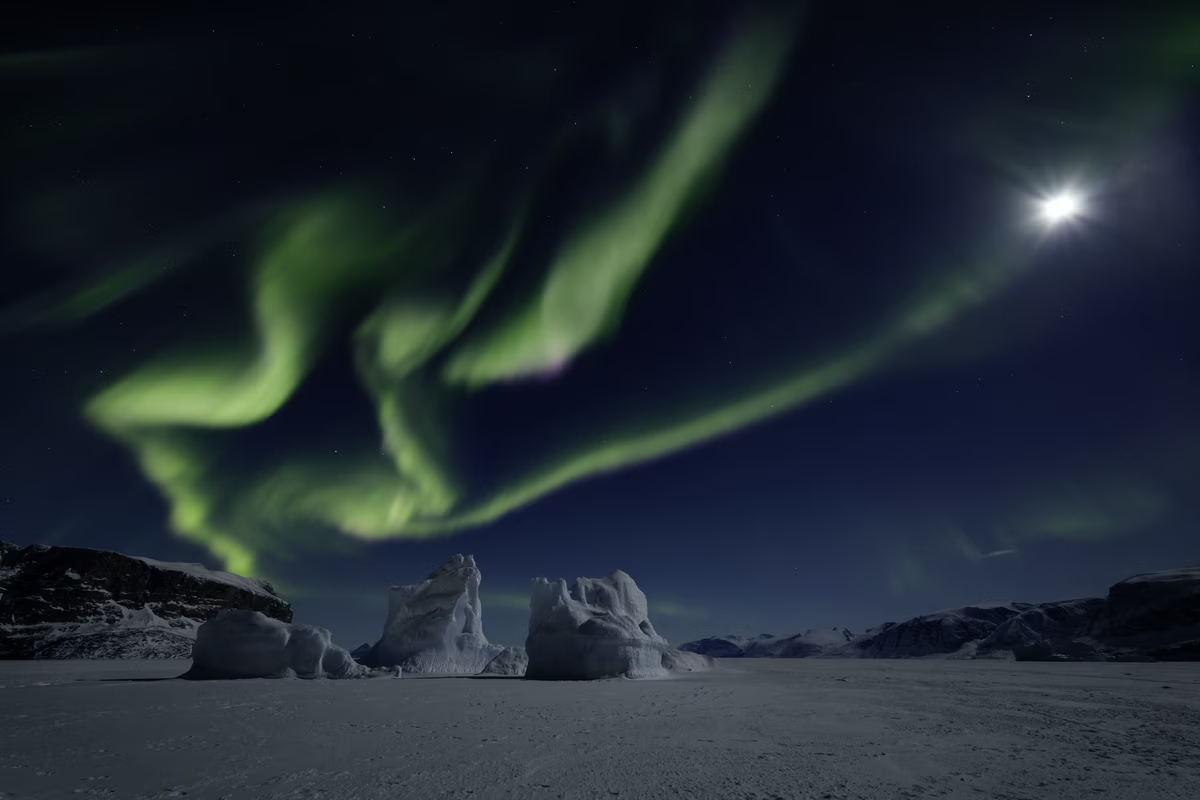
Green northern lights swirl over snowy icebergs and a dark mountainous landscape at night.

Photo by Erez Marom - Visit Greenland

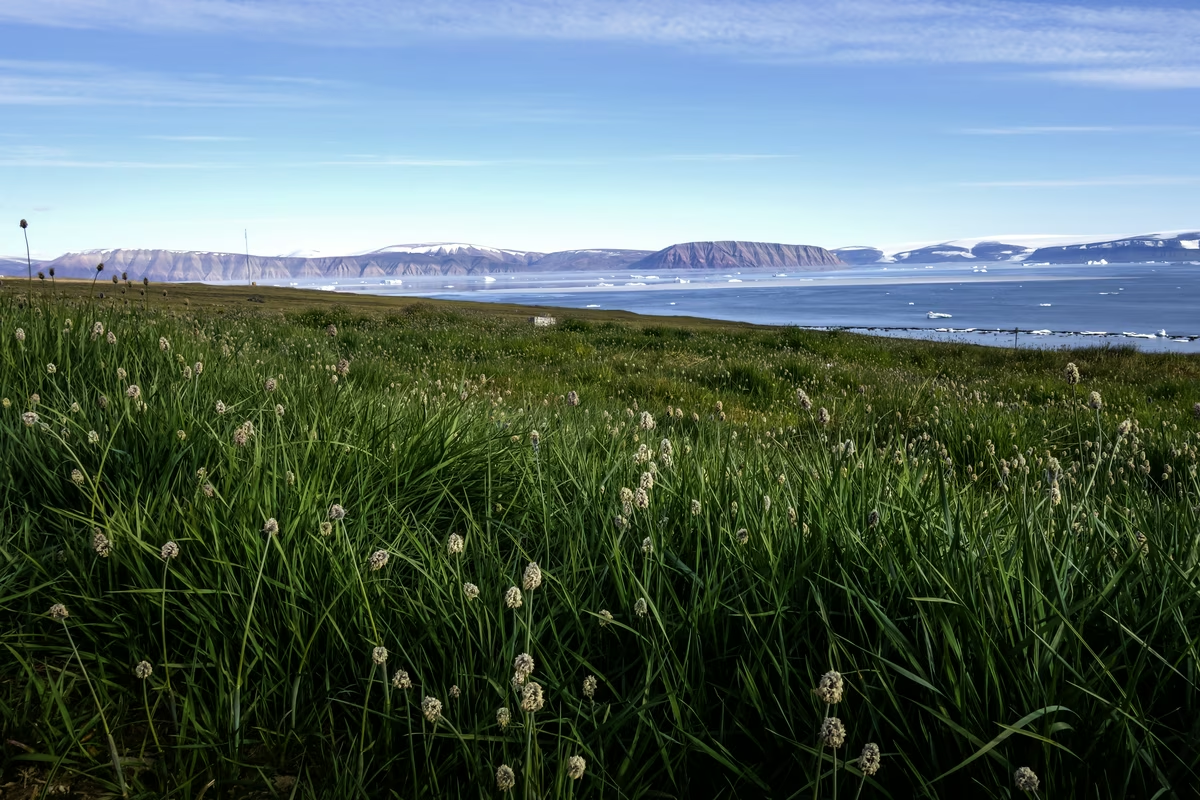
Grassy tundra with flowering plants by a calm sea with floating ice and distant snowy mountains.

Photo by Kim Insuk - Visit Greenland

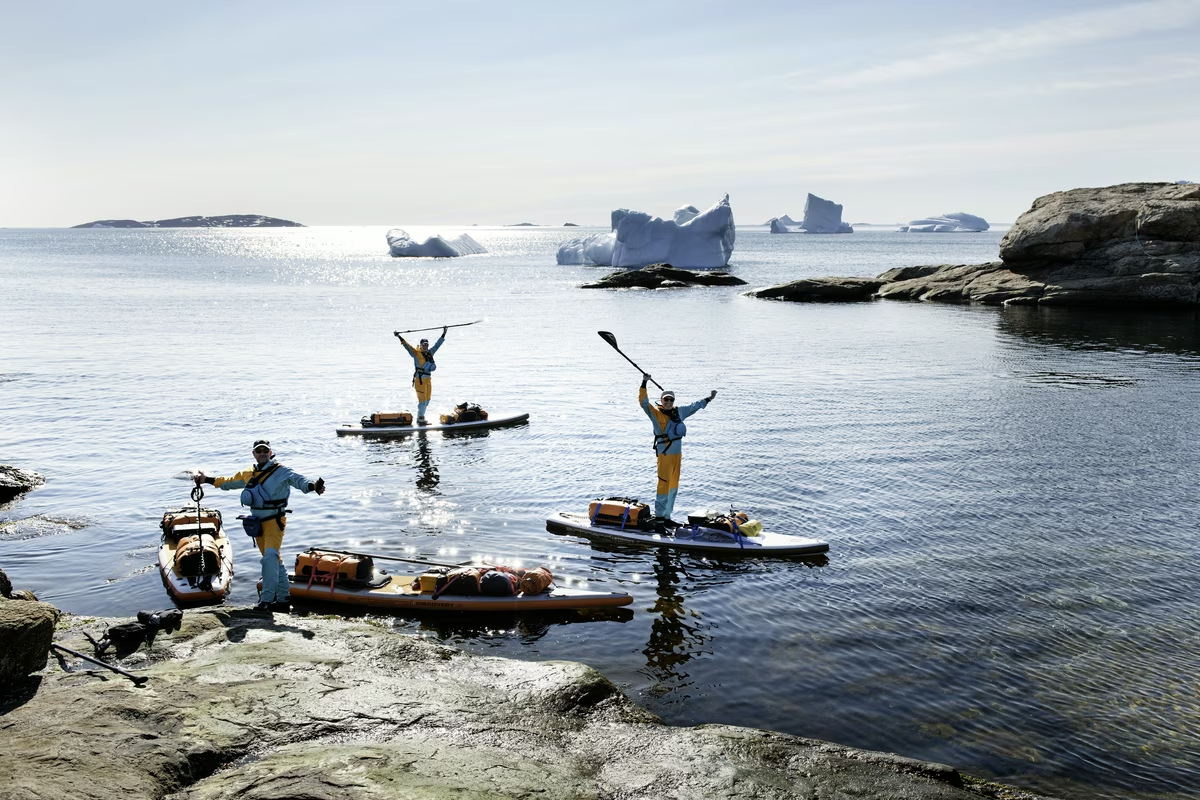
Three people in wetsuits on paddleboards by rocky shore with icebergs in calm ocean water.

Photo by PlanetVisible - Visit Greenland

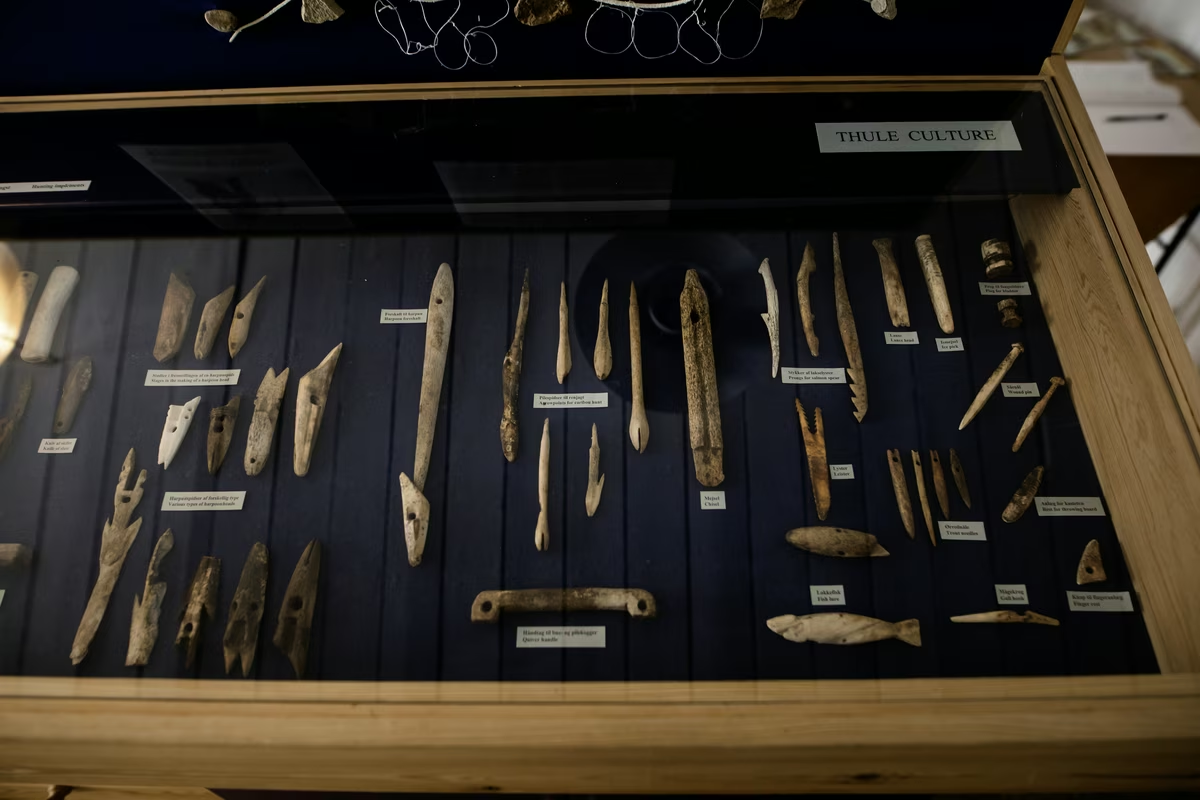
Wooden ancient tools and artifacts labeled in a display case under the title Thule Culture.

Photo by Aningaaq Rosing Carlsen - Visit Greenland

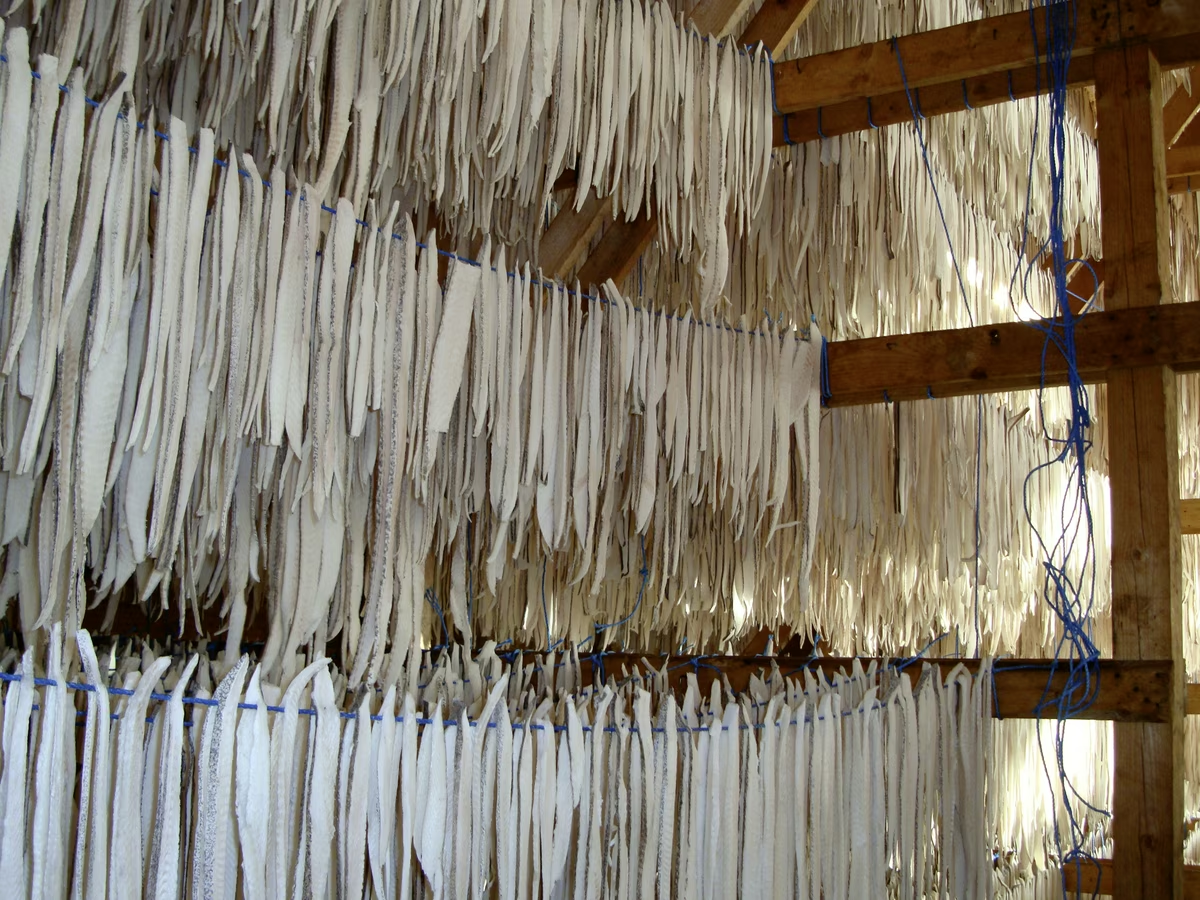
Numerous long white fish hanging on blue ropes in a wooden drying rack indoors.

Photo by Maja Trolle - Visit Greenland

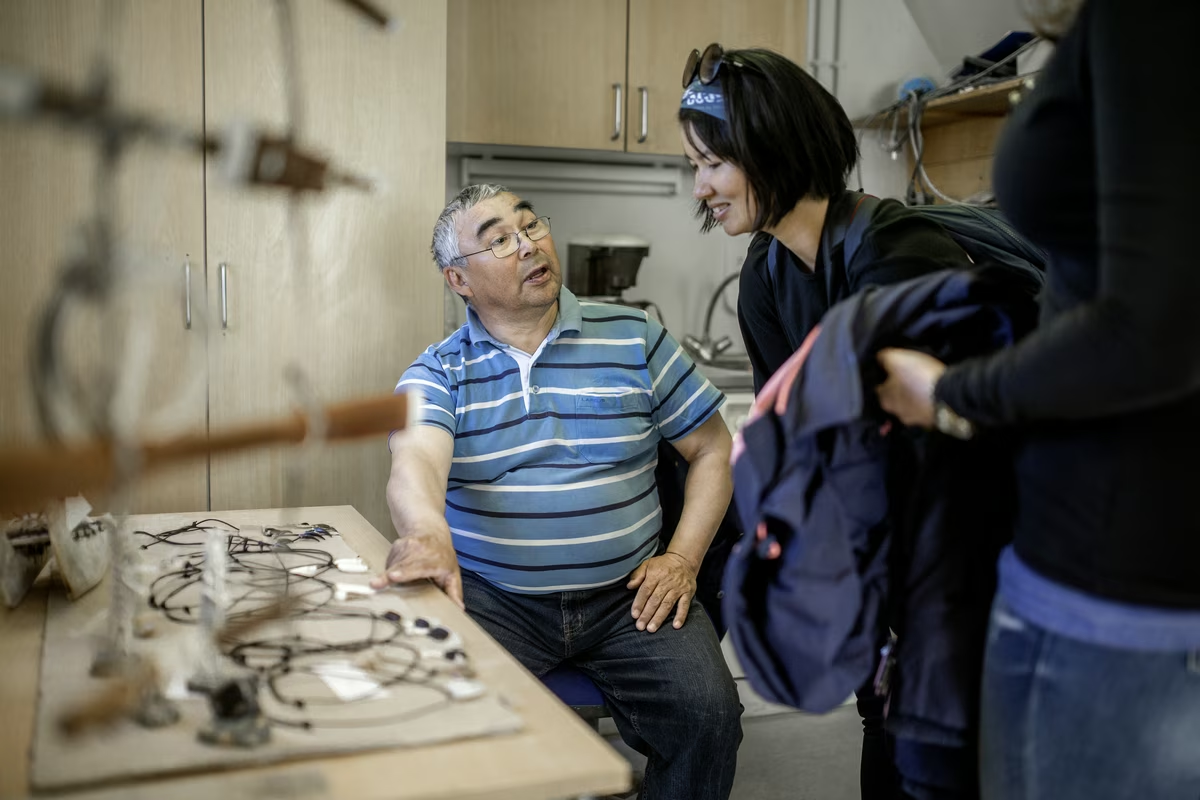
Man sitting at a table with items, talking to two standing women, one holding jackets indoors.

Photo by Mads Pihl - Visit Greenland

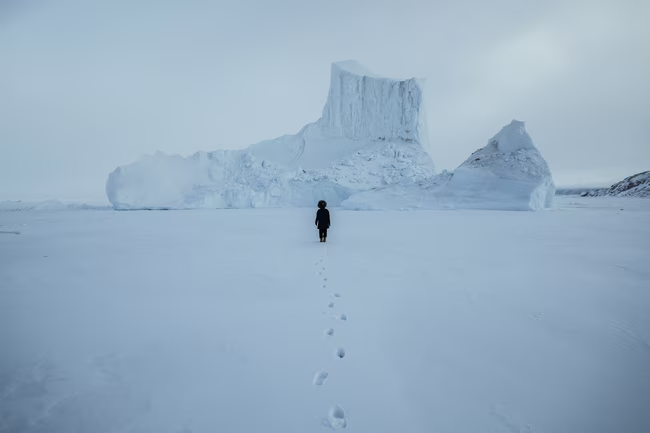
Person in dark clothing walking across snowy terrain toward large iceberg under gray sky.

Photo by Jason Charles Hill - Visit Greenland

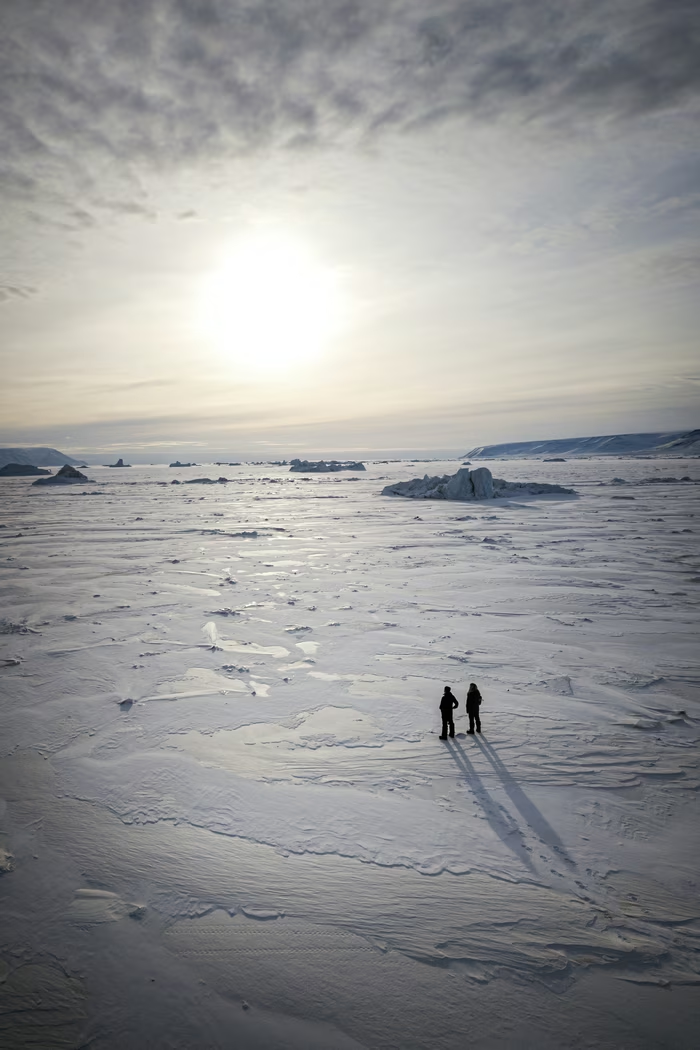
Two people stand on a vast frozen landscape under a cloudy sky with the sun low on the horizon.
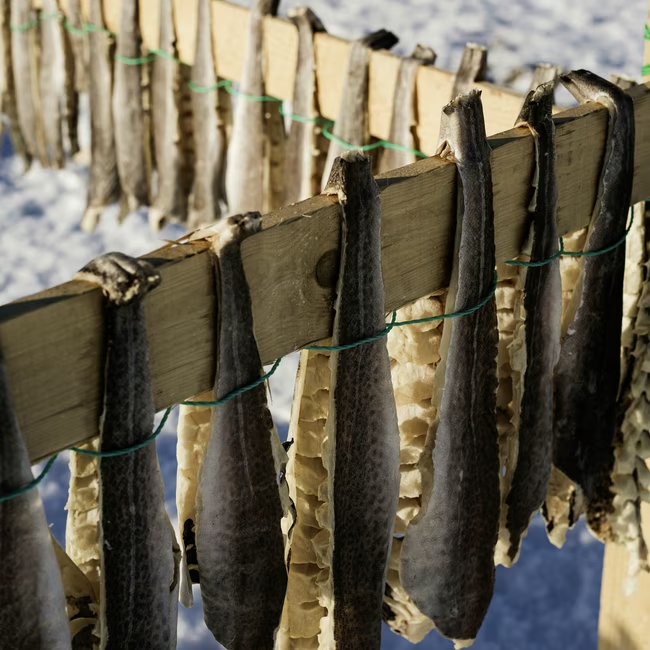
Rows of fish hanging on wooden racks to dry against a snowy background.

Photo by Aningaaq Rosing Carlsen - Visit Greenland

The towns, the sea ice, and how to get there

Access to North Greenland runs by Air Greenland from Ilulissat or Nuuk to Uummannaq and Upernavik, and by a further connection to Qaanaaq. Journey times stack up. Plan at least a few days in each place to make the travel worthwhile. Get in touch and we’ll work out a route around your dates and interests.

Uummannaq

Uummannaq sits on an island about 600 kilometres north of the Arctic Circle, below the heart-shaped mountain that gives it its name (Uummannaq means "heart-shaped" in Greenlandic) and is visible far offshore. The town has around 1,300 people, a few hotels, and a small hospital and museum.

The fjord around it is extensive, with smaller settlements like Ukkusissat, Qaarsut and Saattut scattered through the archipelago, reached by boat in summer and by dog sled or snowmobile in winter. In winter the sea ice is usually solid from January to April, opening up dog sledding and clear-night northern lights, while summer's open water and long days make it fine territory for boat-based exploration.

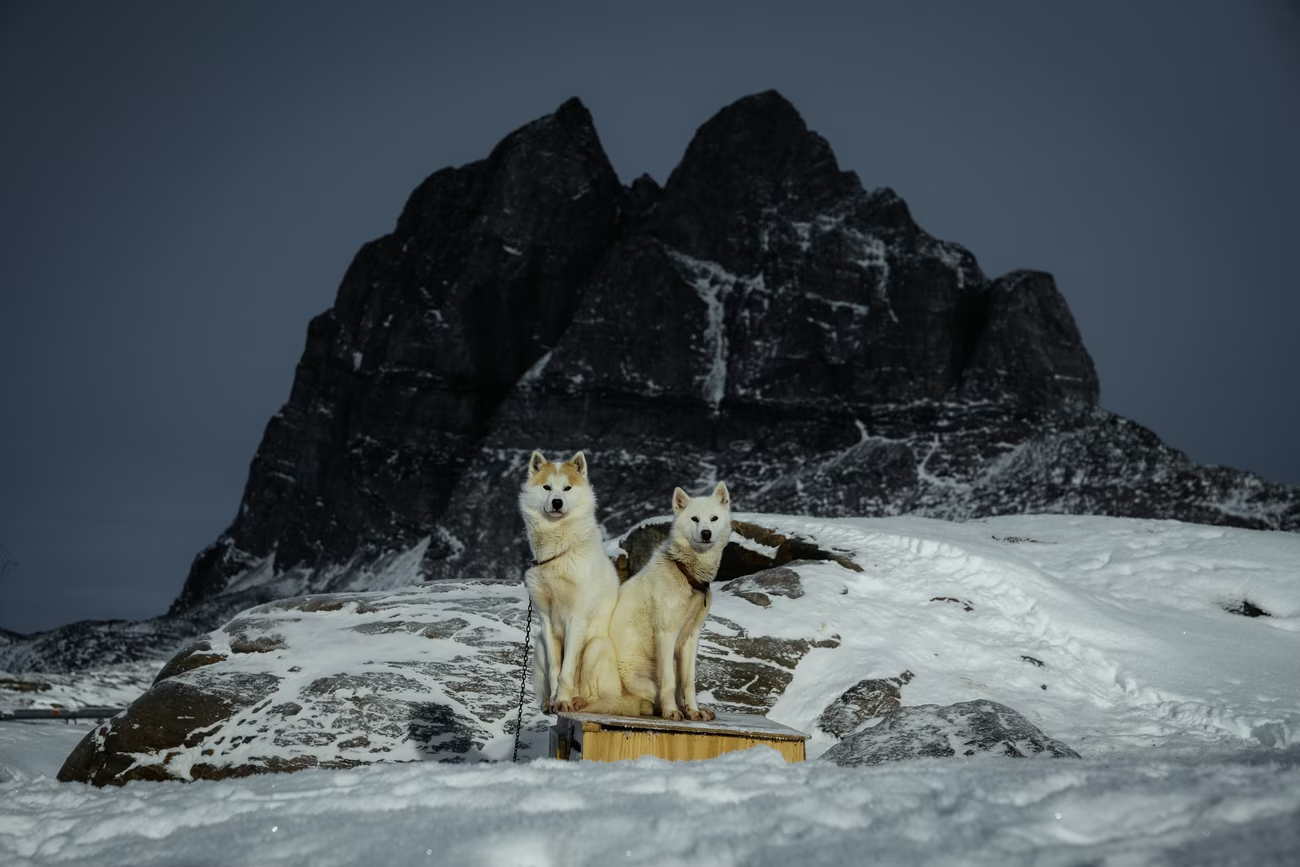
Photo by Jason Charles Hill - Visit Greenland

Two sled dogs sitting on a wooden box in snowy landscape with dark rocky mountain in the background.

Upernavik, a town scattered across the islands

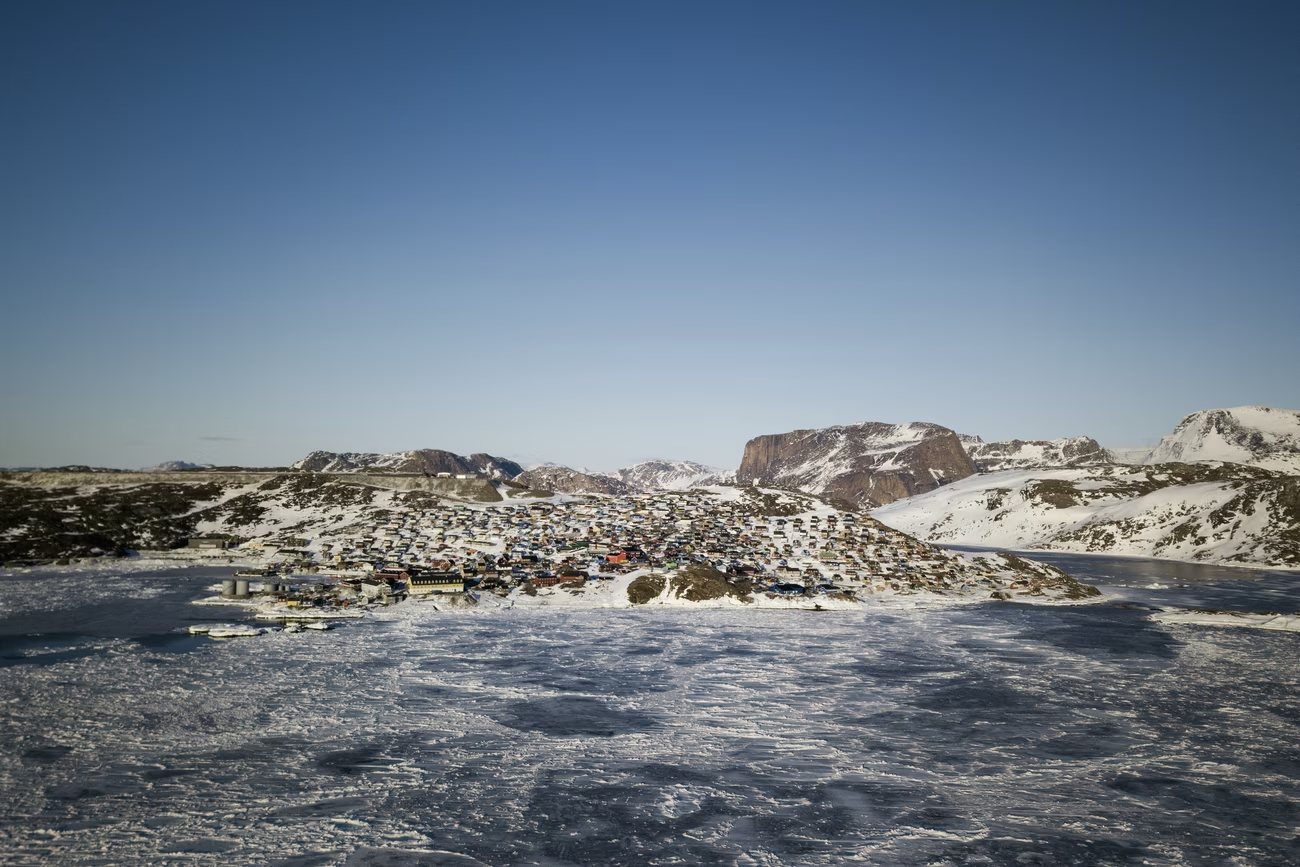
Upernavik lies far up the northwest coast, the main town of a district spread across a labyrinth of small islands. Around 1,100 people live in the town itself, with smaller settlements throughout the archipelago that depend on it for supplies. Life here runs on hunting and fishing, and the rhythm of the sea ice shapes the year more than any calendar.

For visitors, Upernavik is deeply traditional and rarely seen. The open-air museum, one of the northernmost in the world, tells the district's story, and the surrounding granite has drawn climbers to its remote big walls. This is travel for those who want the Arctic without the crowds, where simply reaching the place is part of the experience.

Photo by Aningaaq Rosing Carlsen - Visit Greenland

Snow-covered town on a rocky hill surrounded by frozen water and snowy mountains under blue sky.

Qaanaaq, life at the top of the world

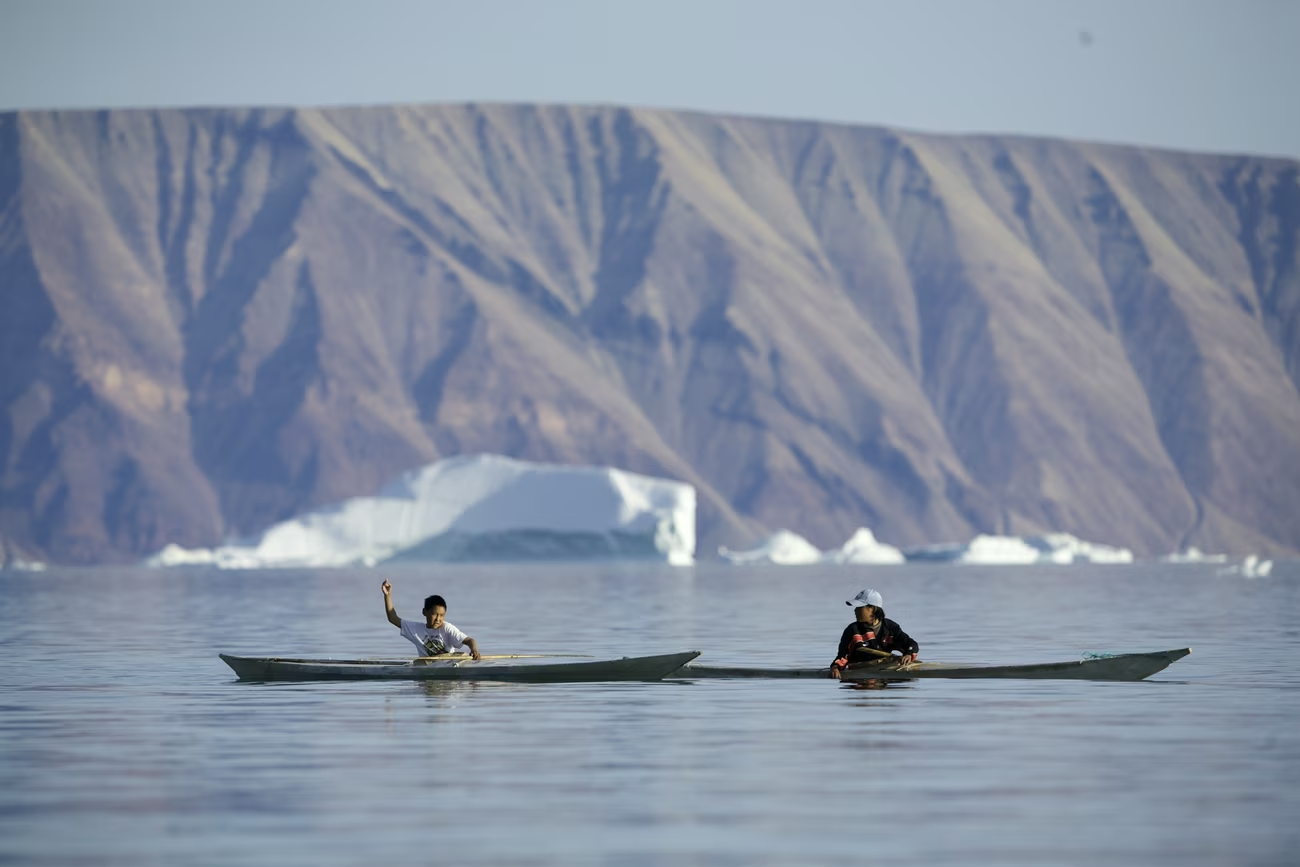
Qaanaaq, in the far northern Thule region, is the northernmost town in Greenland with a meaningful permanent population, around 600 people, most of them Inuit. Life here is still substantially based on subsistence hunting, much of it carried out as it has been for generations, by dog sled across the sea ice.

This is one of the most remote inhabited places on earth, and reaching it takes real planning. But for travellers who make the journey, Qaanaaq offers something almost nowhere else can: a living traditional hunting culture, vast frozen seascapes, and a sense of distance from the modern world that is increasingly hard to find. It is unlike anywhere else in Greenland.

Photo by Glenn Mattsing - Visit Greenland

Two people paddling kayaks on calm water with mountainous land and icebergs in the background.

The seasons, sea ice, polar night, and midnight sun

This far north, the seasons are extreme. Winter brings the polar night, weeks of darkness when the sun never rises, along with solid sea ice that turns the fjords into highways for dog sleds and snowmobiles. It is cold and demanding, but it is also the season of the northern lights and of traditional travel at its most authentic.

Summer swings the other way, into the midnight sun, with weeks of unbroken daylight. The sea ice breaks up, boats take over, and the coast opens for exploration, wildlife and visits between settlements. Spring, as the light returns and the ice is still firm, is often the finest time for dog sledding. Because ice and light govern everything here, the season you choose shapes the entire trip.

Photo by Lone Bjørn - Visit Greenland

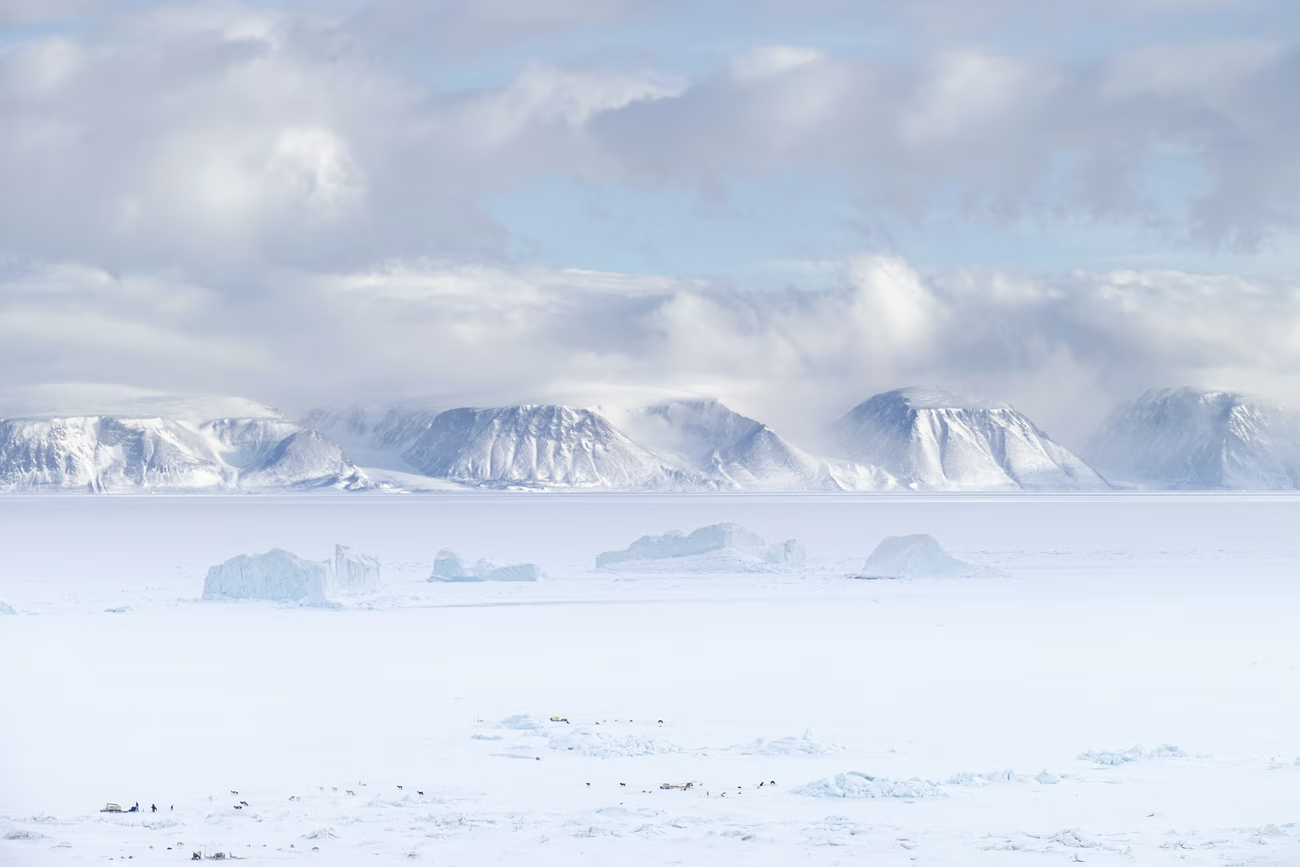
Snowy Arctic landscape with mountain range, icebergs, and tiny figures with sled dogs in foreground.

Getting there, the long journey north

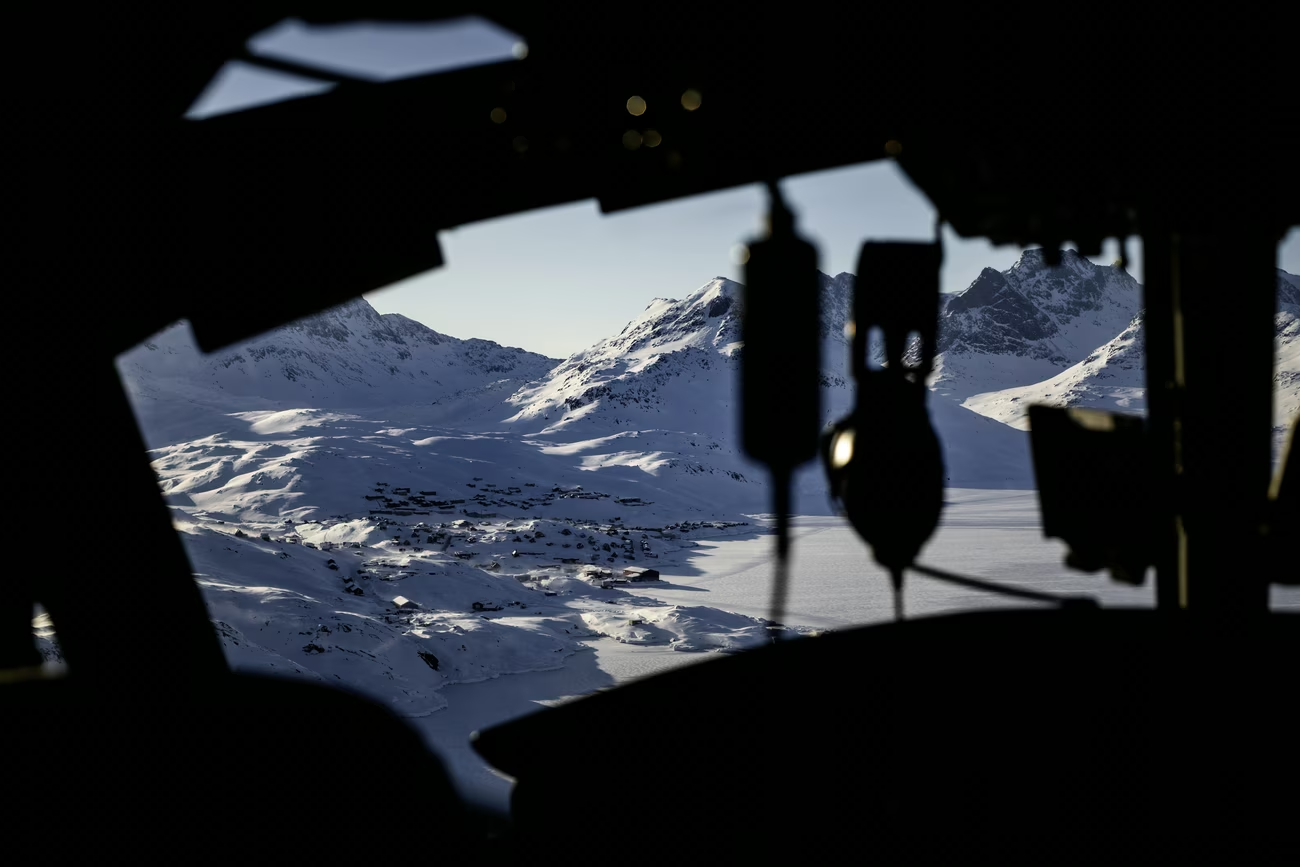
Reaching North Greenland takes time and planning. Air Greenland flies from Ilulissat (and via Nuuk) up to Uummannaq, landing at Qaarsut airport with a short helicopter hop to the town, and on to Upernavik further north. Journey times stack up, so it is worth allowing at least a few days in each place to make the travel worthwhile.

Qaanaaq is a journey of its own. The route runs Ilulissat to Upernavik to Qaanaaq just once a week, which means an overnight stop in Ilulissat in both directions, and in summer the town can also be reached by expedition cruise. Because the northern hubs are far apart with limited connections, we treat them as separate destinations rather than one easy loop, and build the route around what's flying and sailing for your dates.

Photo by Aningaaq Rosing Carlsen - Visit Greenland

Snow-covered mountains and a village seen through airplane cockpit window silhouette.
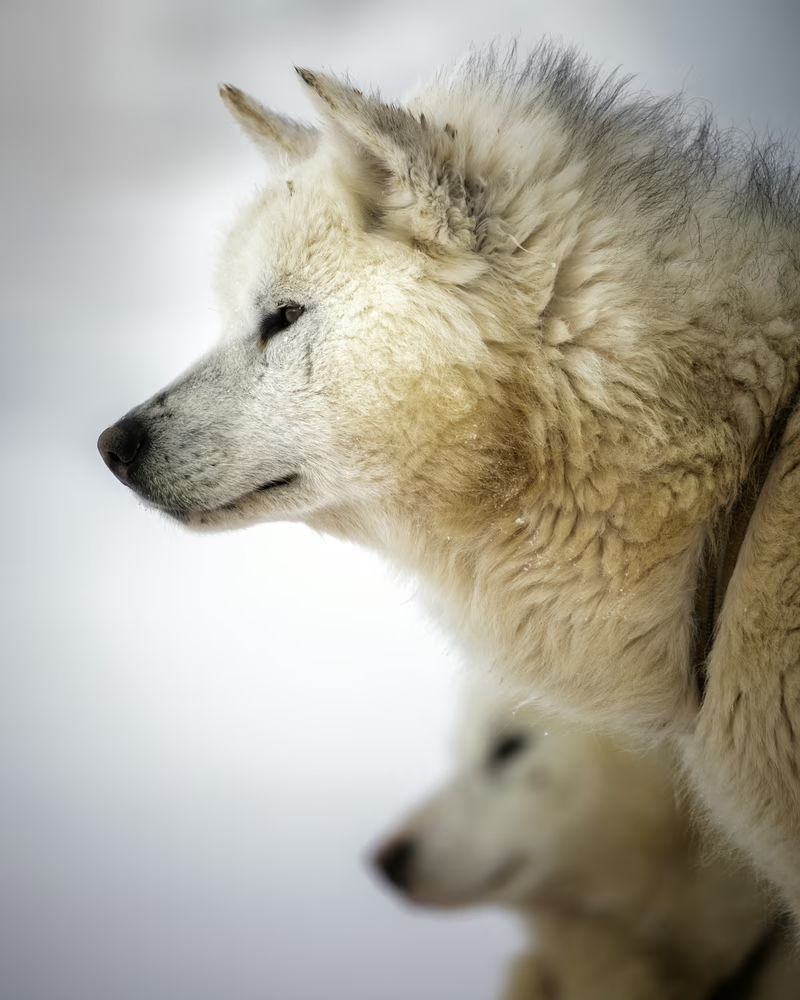
Close-up of two white wolves facing left with blurred background.

Spring by dog sled in the Uummannaq fjord, what that trip involves

The dog sledding season in Uummannaq runs roughly January to April, depending on when the sea ice forms and breaks. In a good year the inner fjord is solid by mid-January and holds through April. Trips head out from town across the ice to smaller settlements like Ukkusissat and Qaarsut, places reachable only by sled in winter.

The sleds are Greenlandic, fan-hitch rather than tandem, so the dogs spread out in front instead of running in line. The musher drives and most guests ride. The light on the ice in March, with the sun back but still low, is unlike anything in summer. Out here, dog sledding isn't a tourist activity but still how people travel, and we'll talk through what's possible around your dates.

Photo by Aningaaq Rosing Carlsen - Visit Greenland

1 / 5

What our guests say:

"Thanks to the experience, dedication, and professionalism of the young people at Raw Arctic, who designed a series of challenging and rewarding experiences for us, we felt that we had truly been given a glimpse of the real Greenland. Not the Greenland of brochures and advertisements, but the authentic one—raw, beautiful, and full of character. We already know that we will return. Next time, with an even more ambitious plan. And there is little doubt that this future Greenland adventure will once again be shared with the team at Raw Arctic."

Marek & Agnieszka

Poland

"The best of our trip!! Fishing, beautiful scenery, awesome lunch and terrific guides ,highly recommend this company look no further for you next adventure in Greenland !! Memories that will last a lifetime 💕 thanks !!"

Jane Price

United States

Common questions about North Greenland

Practical information for planning a trip to Uummannaq, Upernavik, or Qaanaaq. Get in touch if your question isn’t covered here.

How remote is North Greenland compared to other parts of the country?

Considerably more remote than Nuuk or Disko Bay. The towns are small, supplies come in by boat or air, and weather can ground flights for days at a time. Qaanaaq in particular requires resilient planning — we’d suggest building meaningful buffer days into any itinerary.

Is dog sledding still practised by local hunters, or is it mainly for tourists?

It's the real thing here. In North Greenland, dog sledding is still working transport and a core part of subsistence hunting, especially around Qaanaaq, not a show put on for visitors. The dogs are working animals, the sleds are traditional Greenlandic fan-hitch, and the people driving them are hunters using the sea ice the way their families always have. When you join a trip, you're stepping into that living tradition rather than a staged version of it.

Can I see narwhal in North Greenland?

Possibly, though never guaranteed. The waters off Uummannaq, Upernavik and especially the Qaanaaq region are among the best in the world for narwhal, which are hunted here traditionally and move through on their seasonal migrations. Sightings depend on timing, ice and luck, and they're most associated with the far north. Beluga, walrus, seals and seabirds are also part of the picture. We'll be honest about what's realistic for your route and season.

What’s the best time of year to visit?

It depends entirely on what you want. Spring, roughly March to May, is the classic season: firm sea ice, returning daylight and the best conditions for dog sledding. Summer brings the midnight sun, open water and boat-based travel between settlements, along with the chance of wildlife. Winter is dark, cold and demanding, but it's when the northern lights are at their most intense. Because ice and light govern everything this far north, the season shapes the whole trip.

Do I need any special equipment or fitness level?

For most trips, no special technical skills, but you do need to be prepared for the cold. Dog sledding and boat trips suit a range of fitness levels, though sitting on a sled in deep winter is demanding in its own way, and you'll want serious warm clothing. We provide guidance on gear and, where needed, specialist equipment, and for any longer or more active expedition we'll send a tailored kit list. Tell us what you have in mind and we'll advise honestly.

We’re arriving by cruise ship — can we fit a tour in our port time?

Sometimes, yes. Expedition cruises do call at North Greenland communities, and a few hours ashore can be enough for a village visit, a short boat trip or a cultural encounter. Because the season and the ice affect what's possible, send us your ship's schedule and the port, and we'll suggest something that fits your time and gets you back aboard comfortably.

What should I pack for North Greenland?

Pack for genuine Arctic cold, well beyond what most travellers expect, especially in winter and spring. Heavy insulating layers are essential, with a windproof and waterproof shell, insulated boots, a warm hat, and proper gloves or mittens. Bring sunglasses and sunscreen for the strong, ice-reflected light, and a camera with spare batteries that cope with the cold. For dog sledding or any expedition, we'll send a detailed, season-specific gear list.

Let’s plan your trip to North Greenland

Tell us which part of North Greenland you’re interested in, your likely dates, and what you’re hoping to do. Trips here take more lead time than most, the sooner you get in touch, the more options we’ll have.

Please fill out the form

We will get back to you as soon as possible

Thank you! Your submission has been received!
Oops! Something went wrong while submitting the form.