
wildlife photography
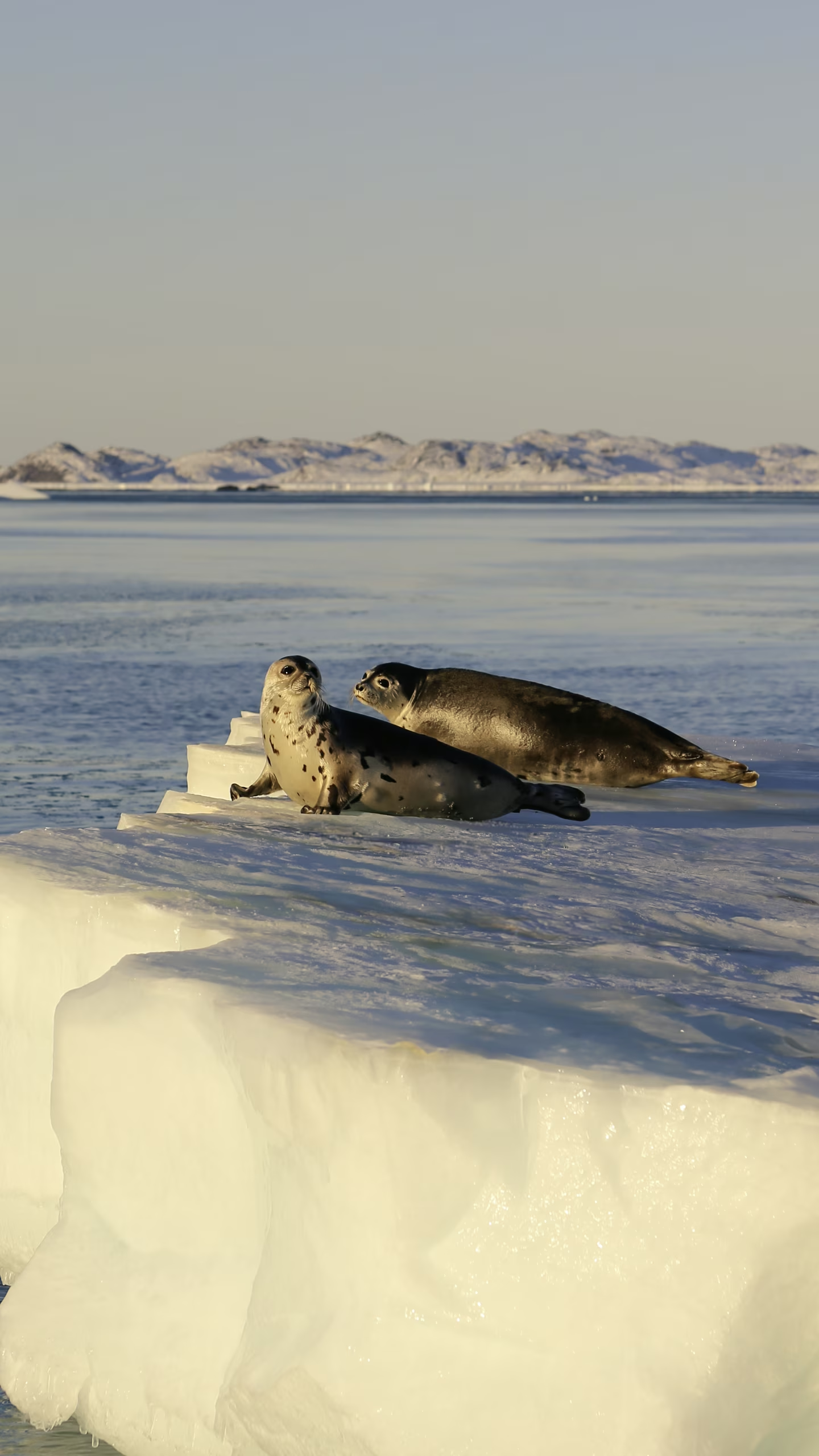
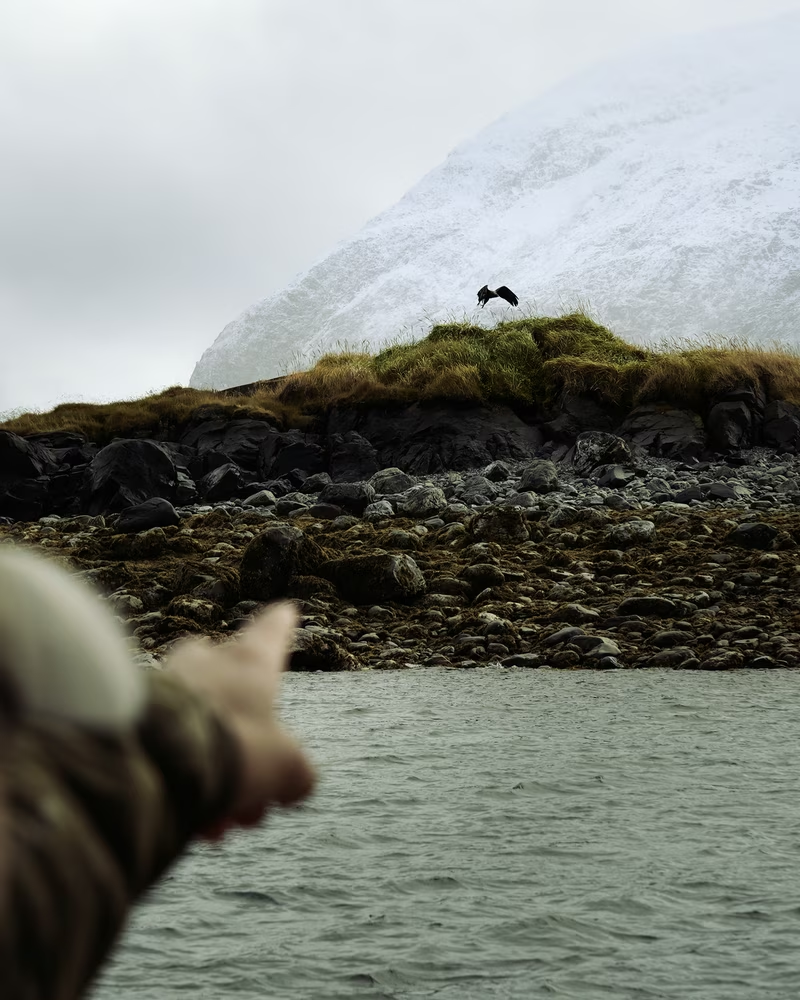
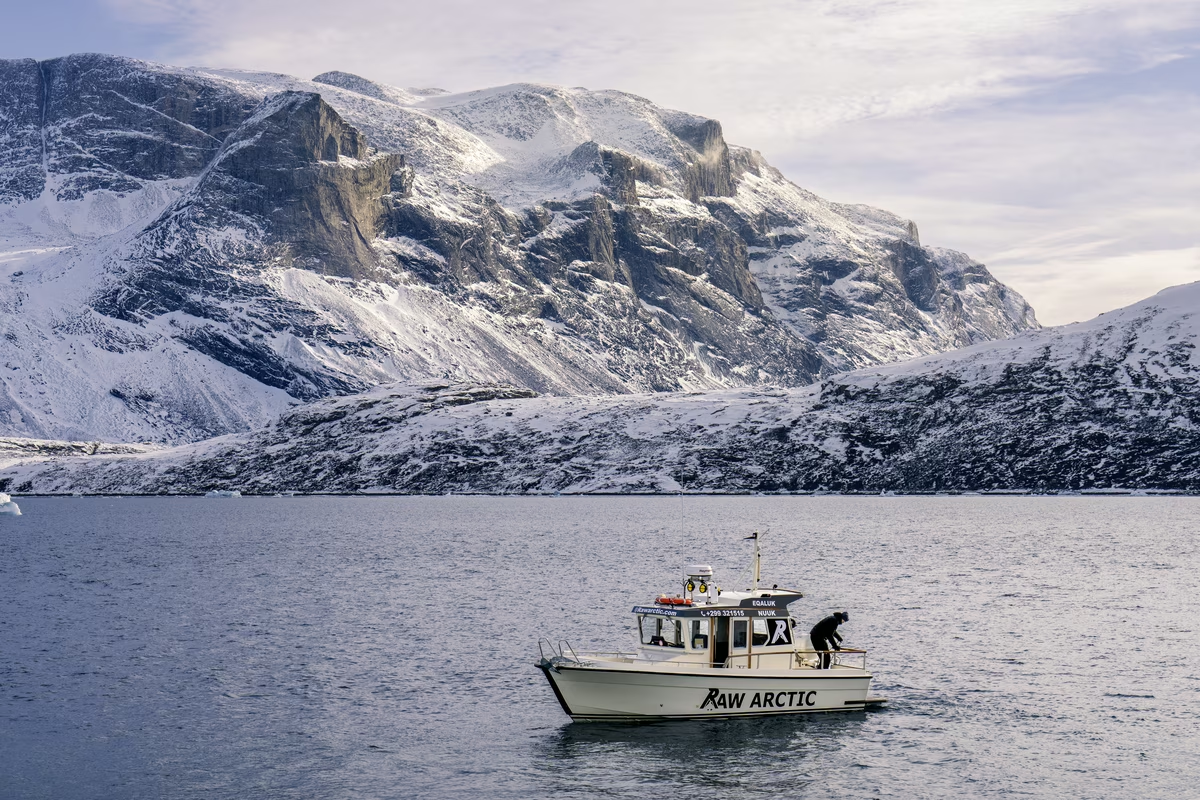
The shots only a boat can reach
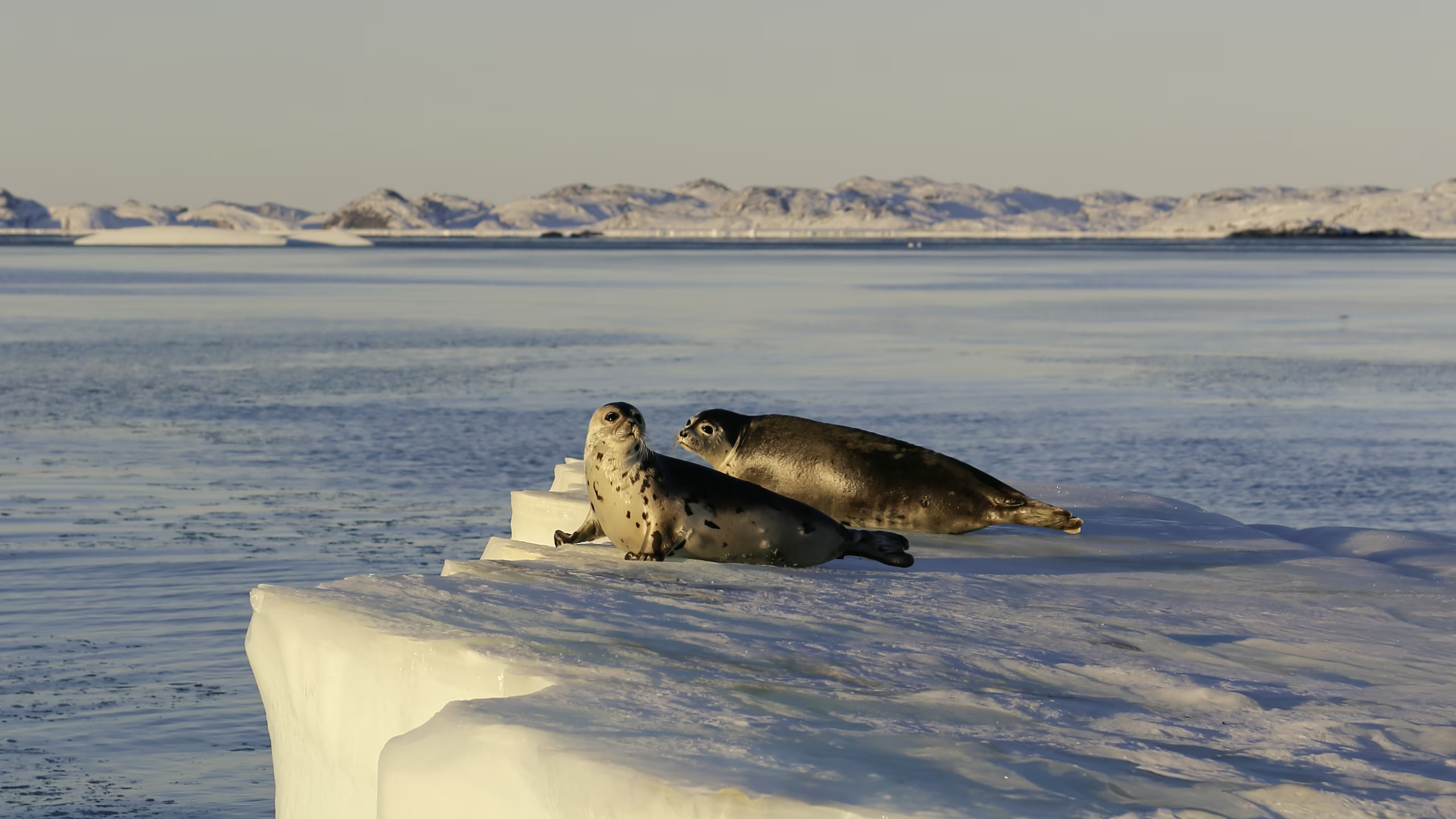
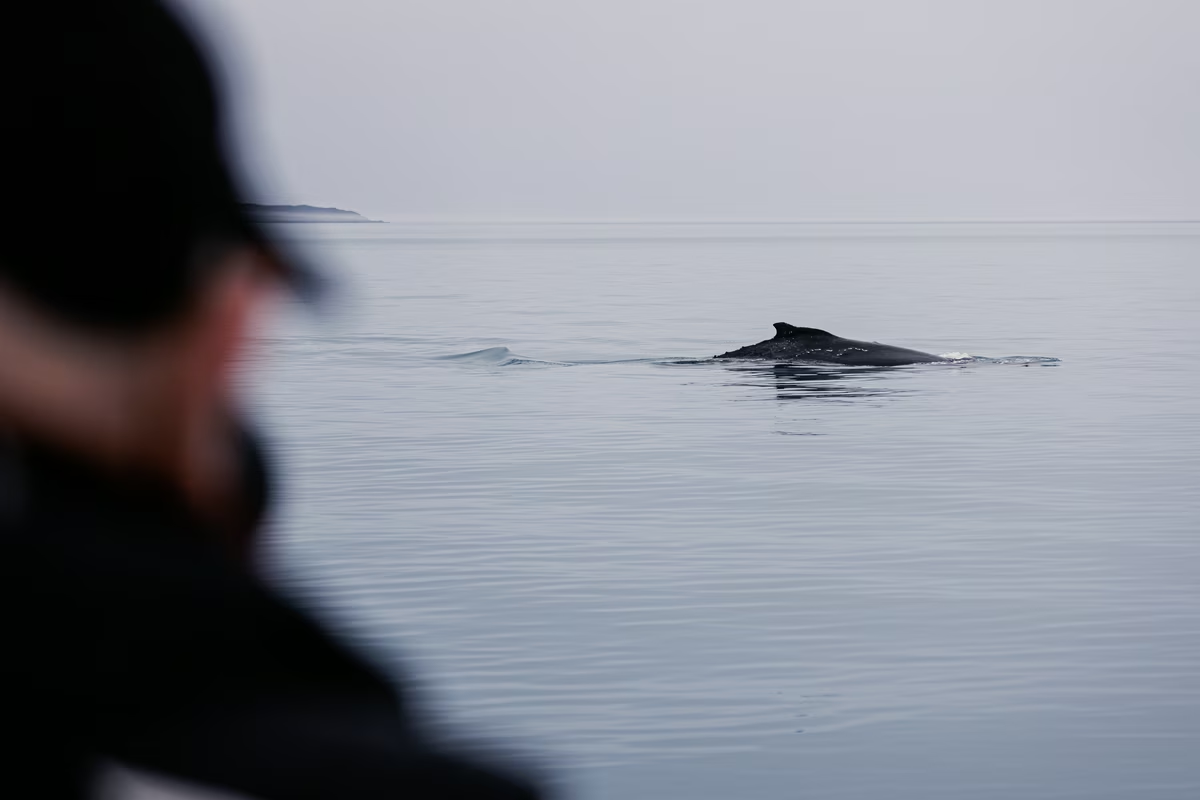
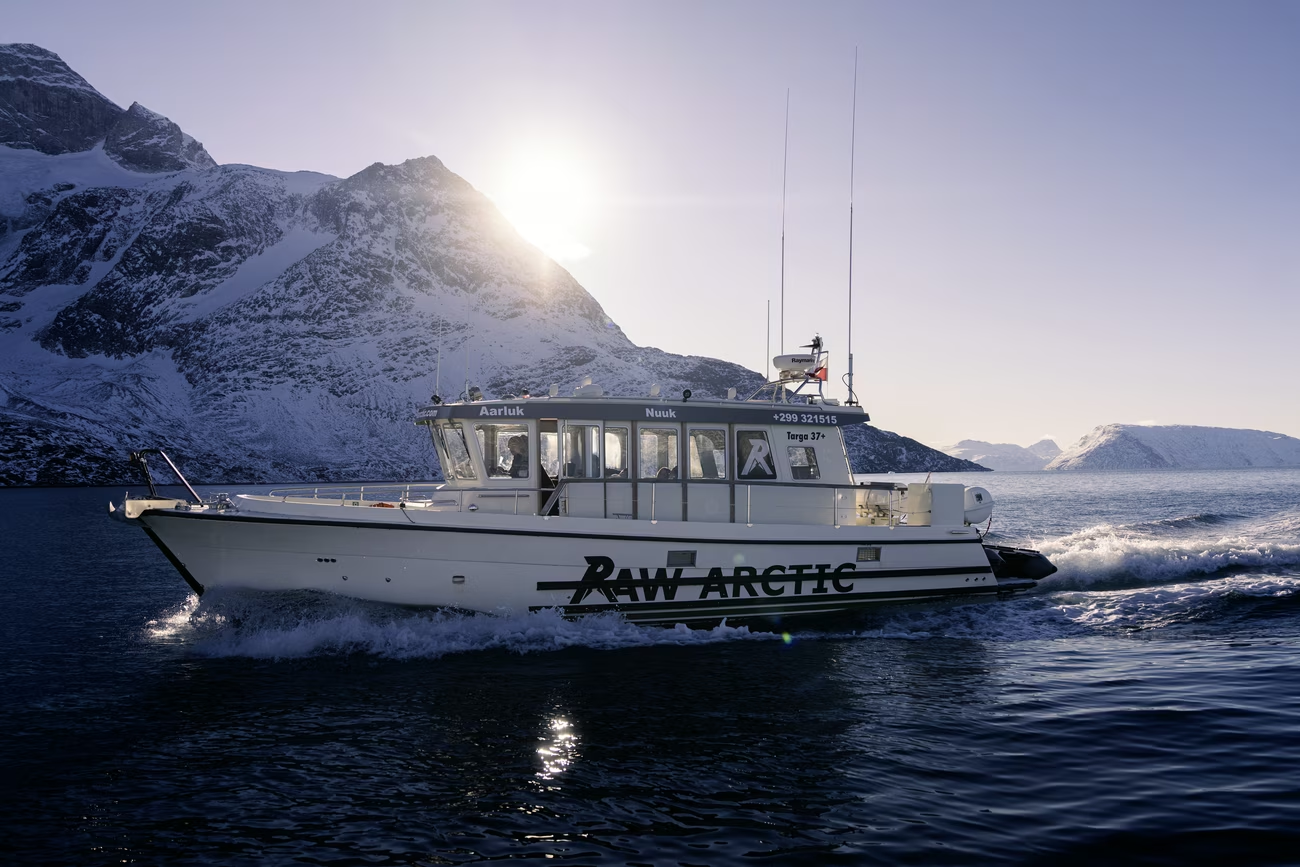
In wildlife photography, access is everything, and the boat is what sets a Greenland photo trip apart. From the water we can reach eagles nesting on remote outcrops, seals on the ice, whales feeding in open fjords, and seabird cliffs that no road comes near.
Our guides know these spots, read the conditions, and position the boat so you get a clean line of sight and the best light, all while keeping a respectful distance.
You bring the eye and the patience; we put you in the right place at the right moment.
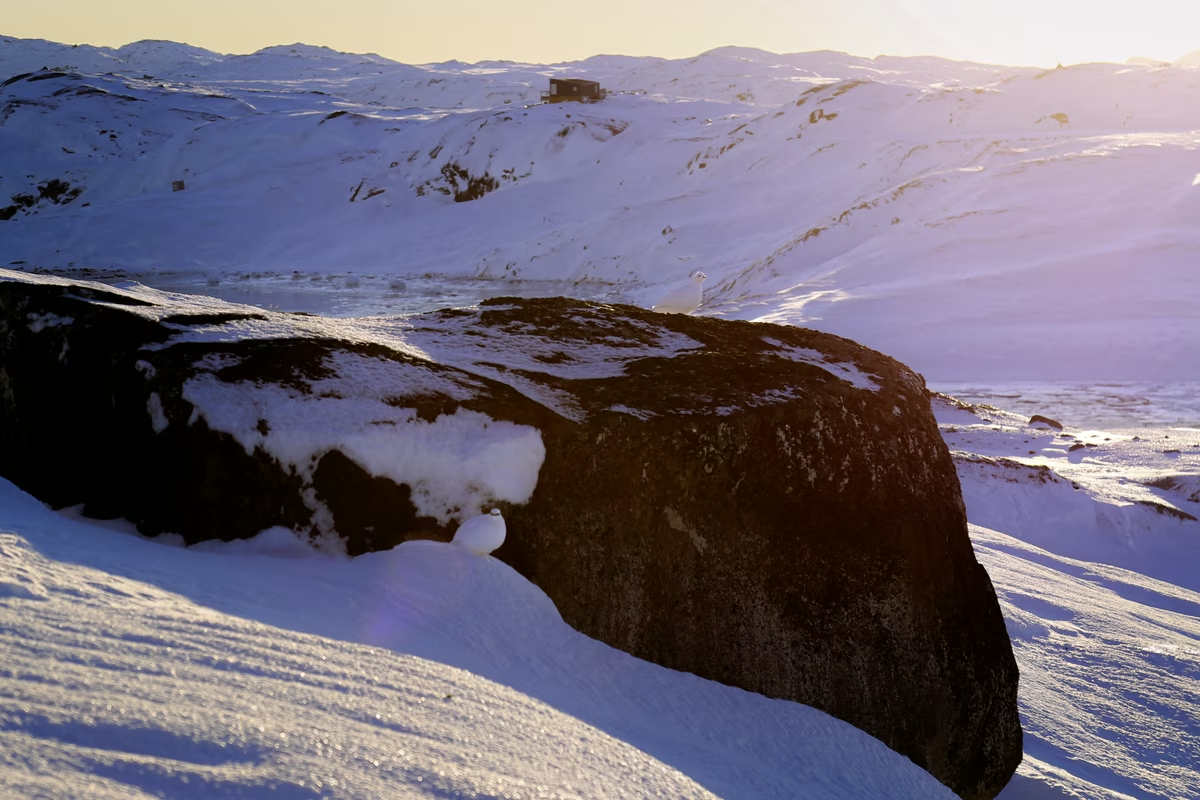
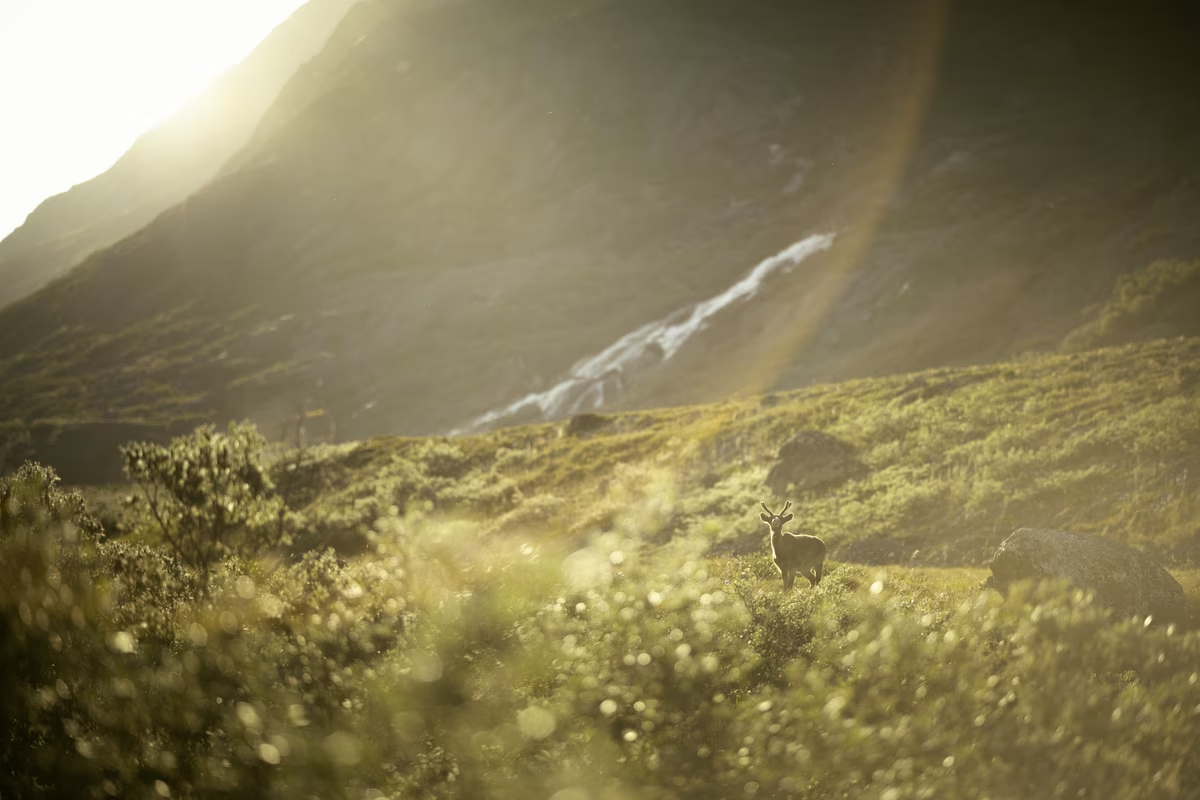
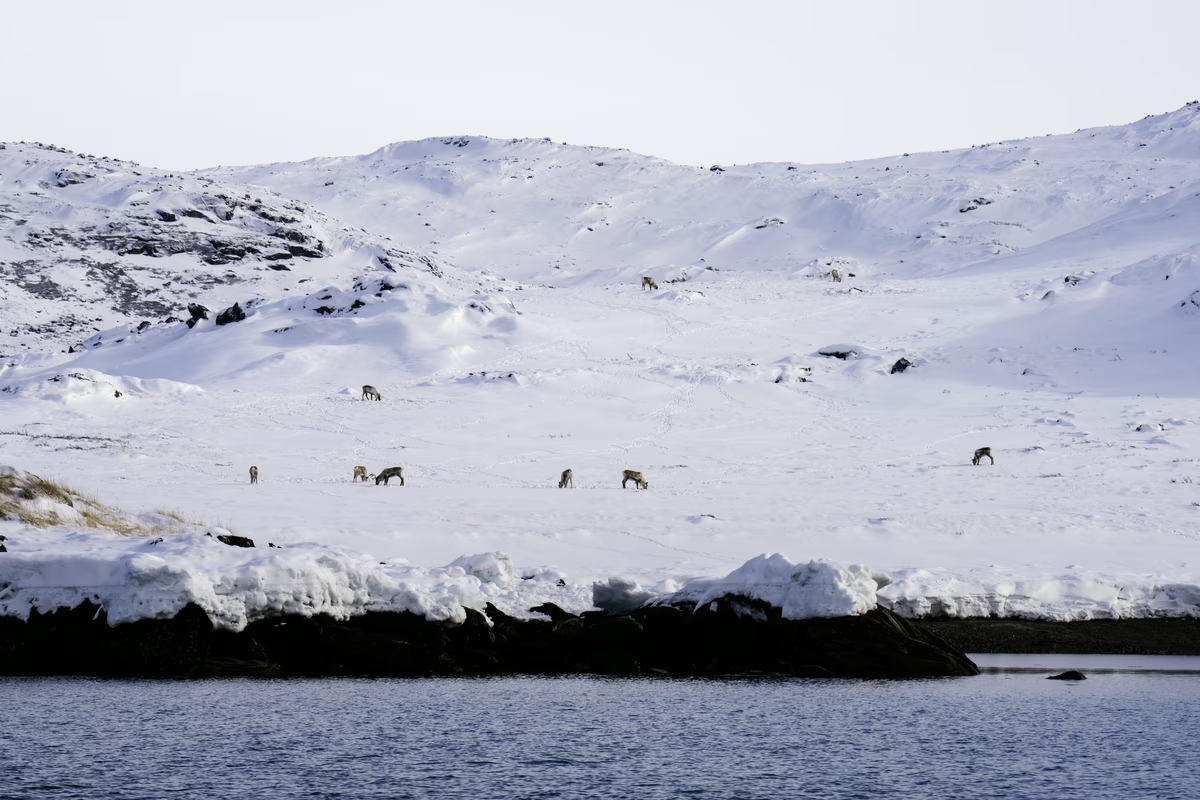
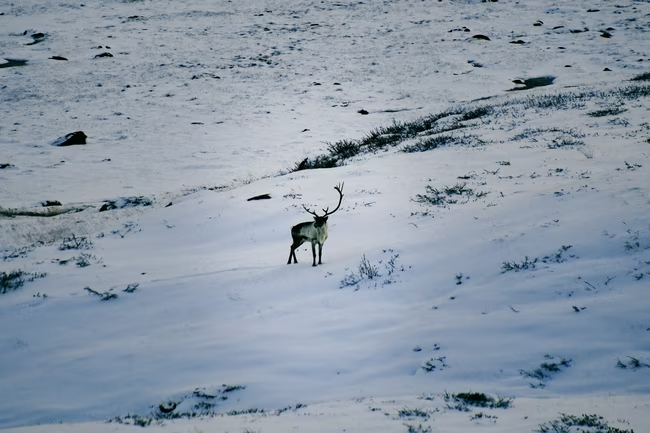
Reindeer roam the open tundra, often at a distance, so a long lens and a patient eye are what turn a sighting into a frame.
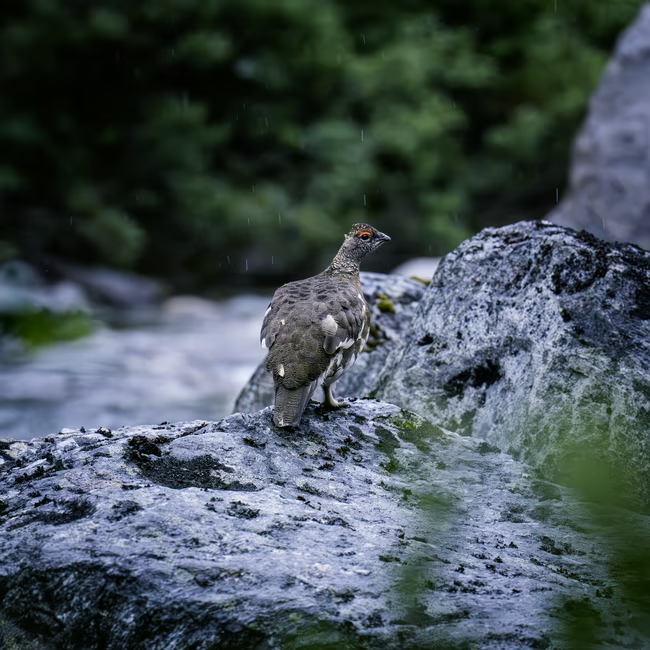
From ptarmigan in summer plumage to hare and fox, the smaller residents reward those who slow down and look closely.
Wildlife photography in Greenland, frame the Arctic's wildest residents
Greenland rewards the patient photographer. Across its tundra, fjords, and coastal cliffs live some of the Arctic's most striking animals, from shaggy musk oxen to soaring white-tailed eagles. Raw Arctic's wildlife photography trips put you in the right place at the right light, with guides who know the terrain and the habits of every species. Bring the lens, we will help you fill the frame.
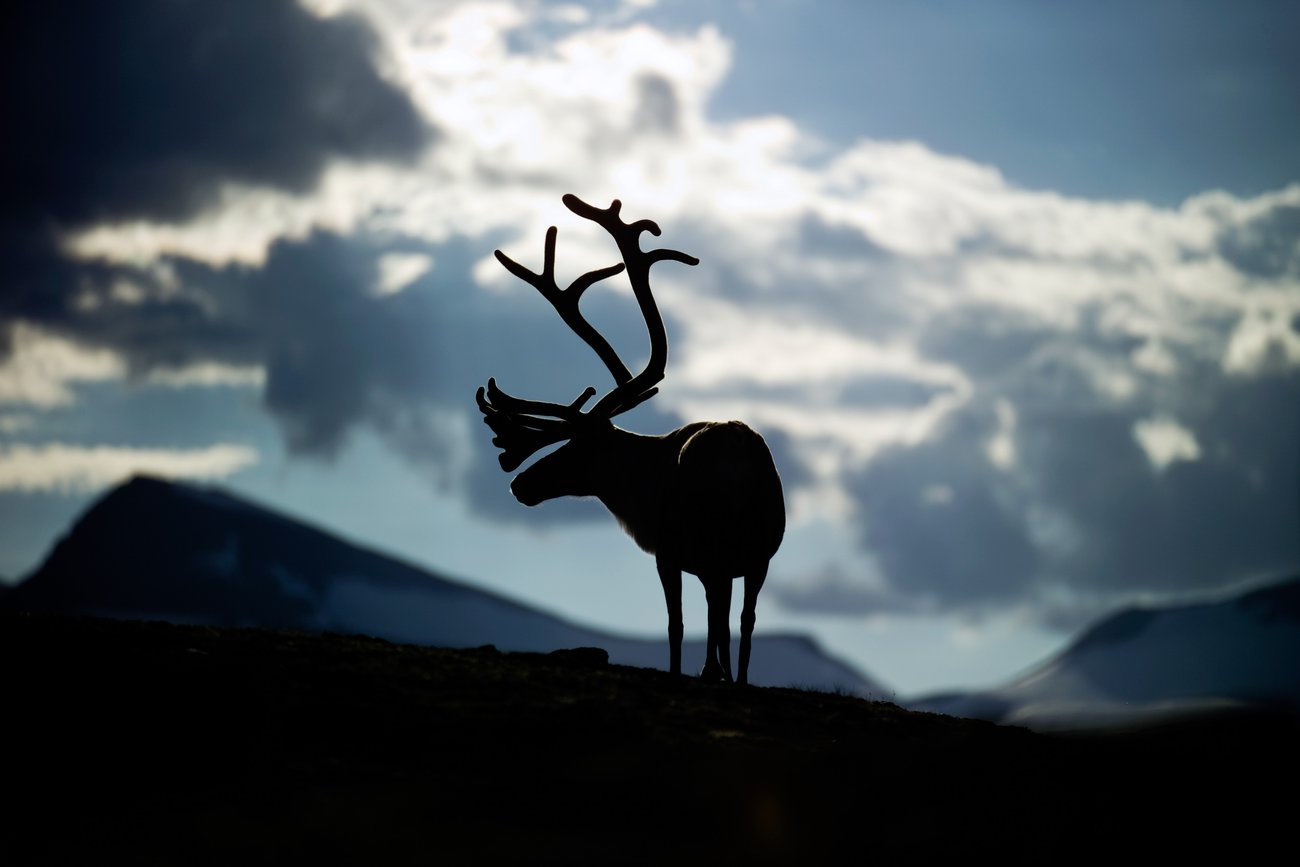
Reindeer, the tundra's restless wanderers
Wild reindeer roam Greenland's tundra in herds, their antlers catching the low Arctic light photographers chase. Late summer and the autumn rut offer the best chances, when the bulls gather and the landscape glows gold and red. We track their movements through the Nuuk Fjord backcountry so you can frame them against open mountains, not settle for a fleeting glimpse.
Photo by Peter Christensen - Visit Greenland
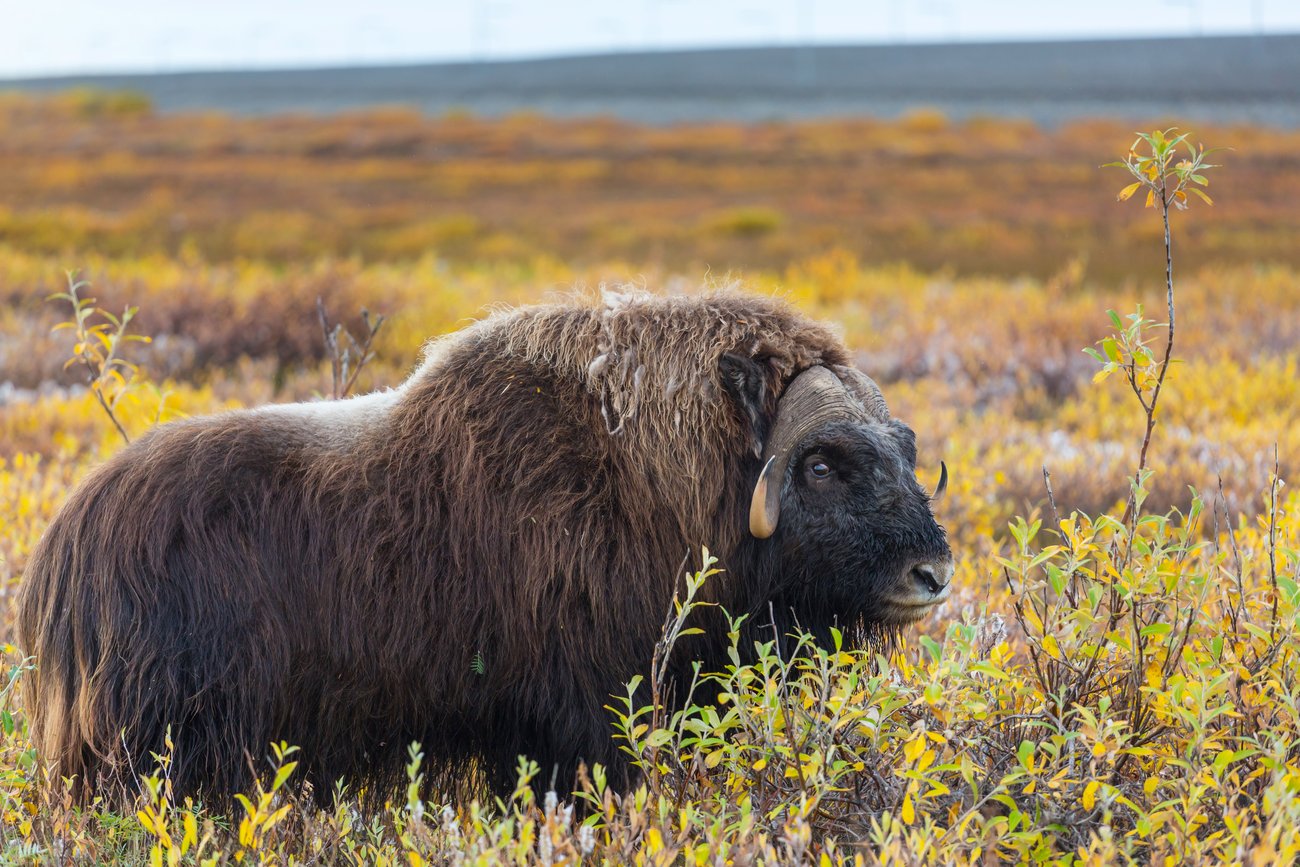
Musk Oxen, Ice Age giants on the move
Photo by Dan Bach Kristensen - Visit Greenland
Few subjects feel as primeval as a musk ox, an animal that has roamed the Arctic since the last Ice Age. Their dark, shaggy coats and curved horns make for dramatic, textured portraits, especially in soft side light. We guide you out to the open tundra where they graze, keeping a safe and respectful distance while you work the angles.
Rock Ptarmigan, a master of disguise
The rock ptarmigan is a photographer's puzzle, mottled brown against the summer tundra and pure white once the snow arrives. Spotting one is half the reward, capturing it mid-change in its plumage is the other. A good eye and patience pay off here, and our guides know the rocky slopes where these well-camouflaged birds like to settle.

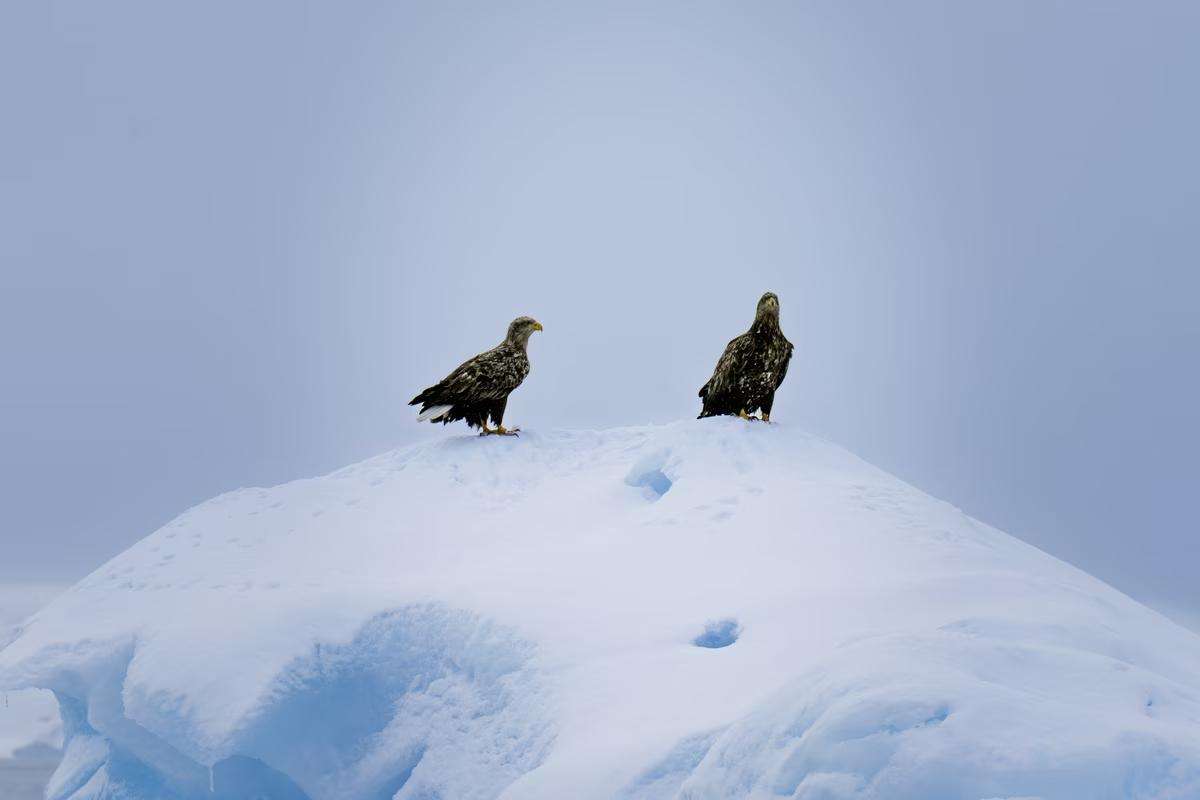
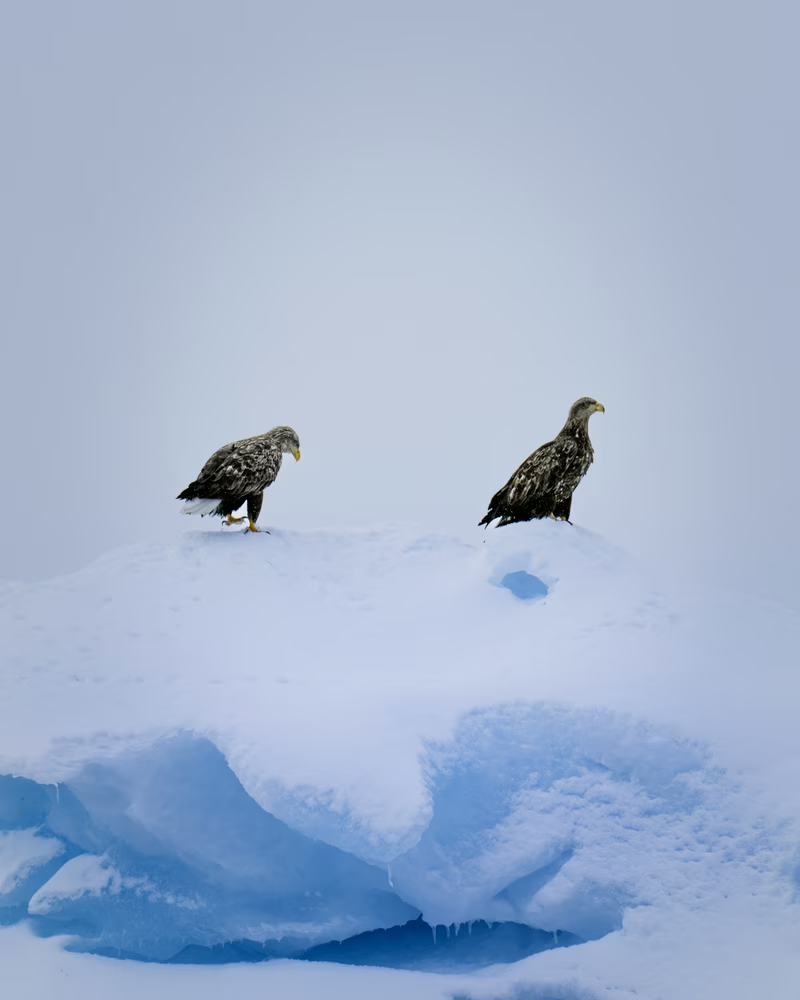
White-Tailed Eagle, Greenland's coastal giant
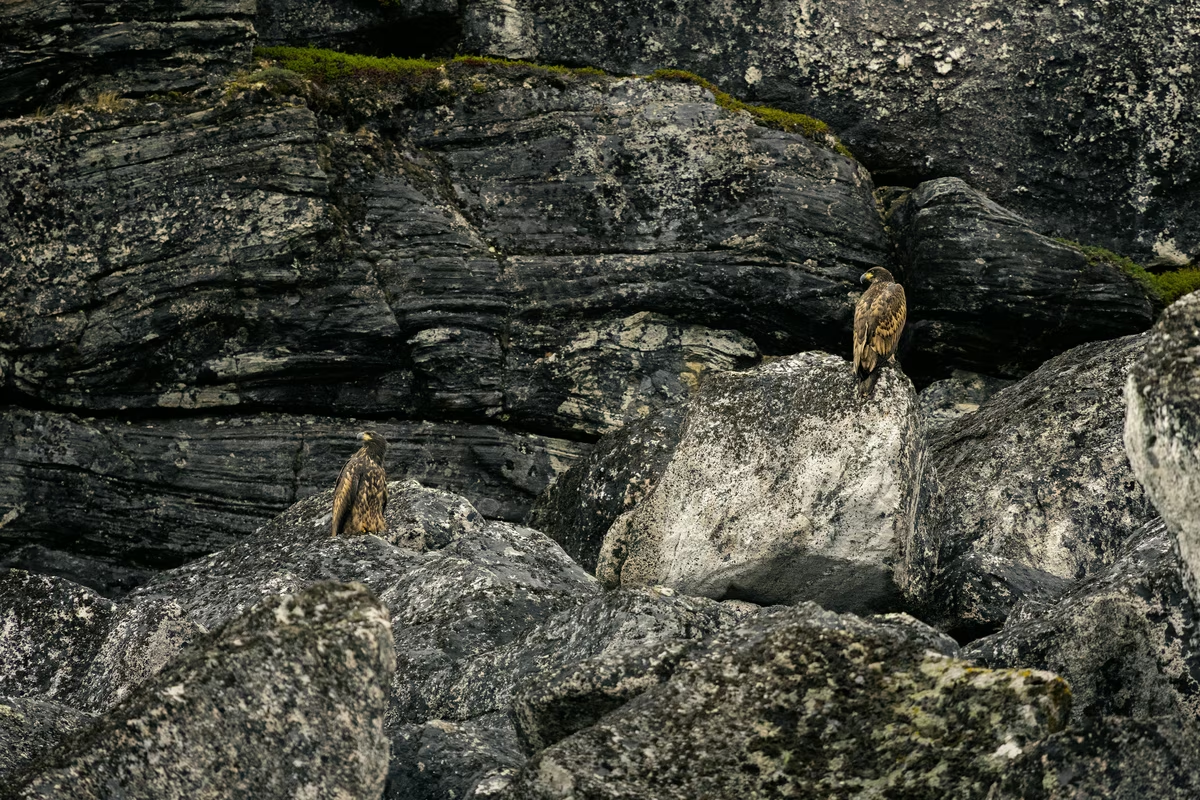
With a wingspan that can top two meters, the white-tailed eagle is Greenland's largest bird of prey and a prized subject along the southwest coast near Nuuk. Watch them ride the wind off the cliffs or drop to the water for fish, camera ready for that split second of action. We position you where the light and the flight paths give you the cleanest shot.
Atlantic Puffin, color against the cliffs
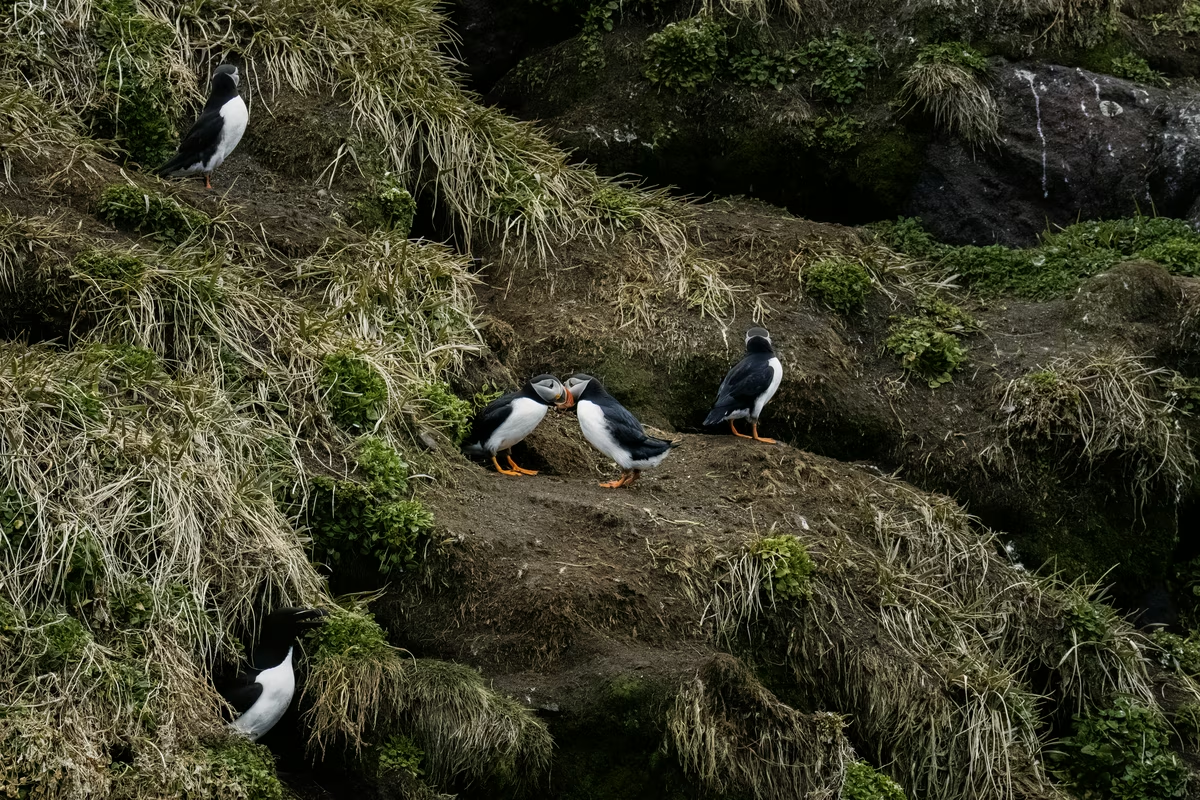
In summer the Atlantic puffin trades its drab winter tones for that famous bright bill, gathering on Greenland's coastal cliffs and islands to breed. They are fast, comic, and endlessly photogenic, whether perched at the burrow or whirring out over the sea. We time these outings to the breeding season and approach by boat, giving you steady angles on one of the Arctic's most beloved seabirds.
Built around the shot you came for
Wildlife photography rewards those who are in the right place when the moment comes, and that's what we build the trip around.
We work to the light, not the clock, lingering when the conditions are right and moving when they aren't, so you have the time and the angle to get the frame you're after. Long Arctic days, low golden light, and uncrowded fjords give you the space to work slowly.
Whether you shoot professionally or simply love being behind the lens, we shape each trip to your subjects, your pace, and your shot list, always keeping a respectful distance from the wildlife.
1 / 5
What our guests say:
"I chartered a Raw Arctic boat for six weeks for a biological study in the Nuuk area and it was a very successful and amazing experience. The captain and crew were outstanding and all the support provided was excellent, including scheduling, boat operation, navigation, assistance completing the actual biological work, knowledge of the area, safety, and all other aspects of the work. I have conducted biological studies in many areas of the world and used a wide variety of support services, and I can say that the experience with Raw Arctic was the best. In addition to the work, I think that the friendships that I made with the Raw Arctic team will last a very long time."
Scott Moorhouse
United States
"Phenomenal tour group. I booked a fishing/dining excursion with them my first day in Nuuk and it was one of the highlights of my trip. The guides are knowledgeable, talented, and take genuine interest in facilitating positive experiences for their guests. On my tour, we went deep sea fishing, caught a boat load of cod (using traditional Greenlandic fishing reels) and took them back to a restaurant where the chef prepared them in front of us. Such an incredible experience. 10/10."

Wyatt Baker
Austria
"Thank you so much for a fantastic excursion with Raw Arctic. We truly felt welcome from the moment we came on board. It was an unforgettable experience to catch 11 fish before 11 o’clock on the Catch & Eat tour a perfect highlight during our final days after a wonderful week in Greenland."
Cathrine Barth
Norway
"We were booked on a Raw Arctic tour by a colleague and were so glad to have been included. If we ever go back we would be sure to book with them again! Can’t thank you enough for the above and beyond service - Qujanaq!"

Charlotte Oades
Canada
Frequently asked questions
Everything you need to know before a wildlife photography trip in Greenland, from what you'll shoot and when, to gear and how we work in the field. If you can't find your answer here, feel free to reach out to us anytime.
What exactly is a “custom” tour with Raw Arctic?
Every itinerary is built from scratch around the dates, subjects, group size, and budget you give us. For photography that means shaping the trip around your shot list and the light: chasing whales and seabirds one day, eagles or icebergs the next, or basing yourself out in the fjord to catch the best conditions. Our planners and local guides handle the route, timing, and access so the trip is unmistakably yours, with no off-the-shelf templates and plenty of room to work at a photographer's pace.
What wildlife will I be able to photograph?
It depends on the season, but the cast is rich: humpback, minke, and fin whales in the fjord, white-tailed eagles on the coastal cliffs, puffins and other seabirds at their colonies, seals hauled out on the ice, plus reindeer, Arctic hare, fox, and ptarmigan on the tundra. Icebergs, glaciers, and, in winter, the Northern Lights round out the landscape subjects. Because these are wild animals, nothing is guaranteed, but our guides know where each species tends to be and position you for the best possible chance.
When is the best time for wildlife photography in Greenland?
There's no single best time; it depends on what you want to shoot. Summer brings whales, breeding seabirds, green tundra, and the long golden light of the midnight sun, ideal for extended shooting sessions. Winter offers snow, low Arctic light, and the aurora, with a starker, more dramatic palette. We'll talk through your priorities and recommend the season that best matches your subjects, then build the trip to make the most of the conditions while you're here.
What camera gear should I bring?
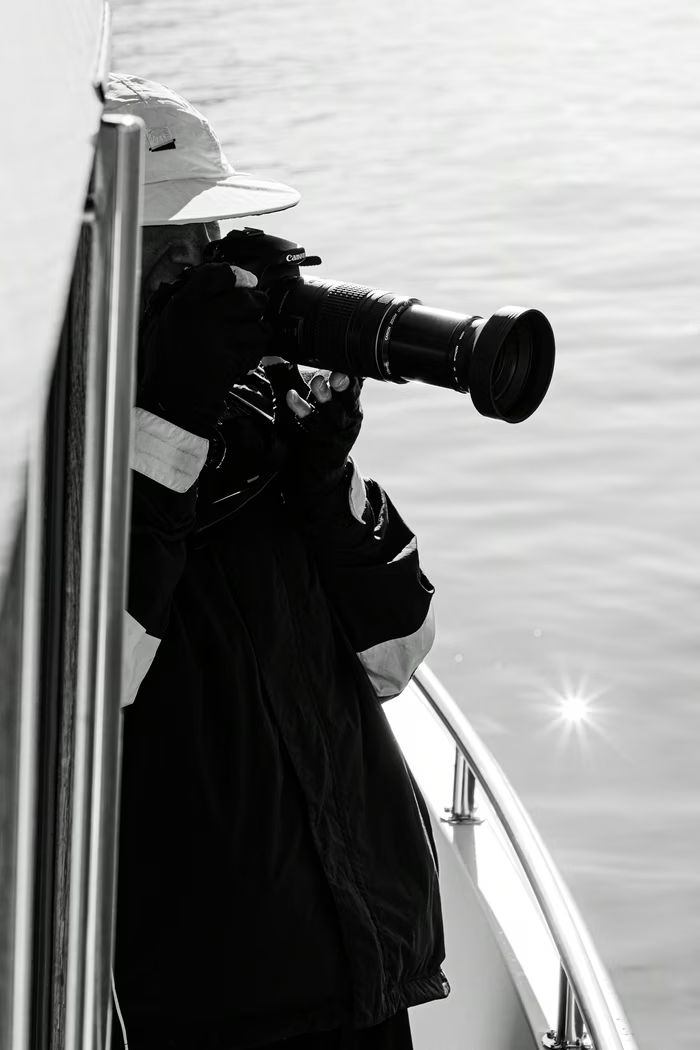
A telephoto lens is essential for wildlife, ideally something in the 100-400mm range or longer, paired with a faster lens for landscapes and the aurora. Bring spare batteries (cold drains them quickly), plenty of memory cards, and weather protection for your gear, since you'll be shooting from an open boat in salt spray and changing conditions. A beanbag or monopod can help steady long lenses on the boat. We'll send a full suggested kit list tailored to your subjects and season when we plan your trip.
Do I need to be an experienced photographer?
Not at all. Our trips suit everyone from professionals with specific shot lists to keen amateurs who simply love being behind the lens. The guides focus on getting you into position with good light and a clean line of sight; what you do from there is up to you. If you're still learning, you'll have time and space to experiment, and if you're a pro, we'll work to your pace and priorities. Just tell us your experience level when you book so we can pitch the trip right.
We're arriving by cruise ship. Can we fit a photo trip in our port time?
A short outing during a port call can absolutely yield great frames, especially a focused boat trip for whales, eagles, or coastal scenery close to town. That said, the best wildlife photography rewards time and patience, so a dedicated trip will always give you more. Send us your ship's arrival and departure times and we'll suggest the most productive option for your hours ashore, and make sure you're back on board with time to spare.
How do you make sure the wildlife isn't disturbed?
Responsible practice is central to how we operate. We keep a respectful distance, let the animals set the terms of the encounter, and never pursue, crowd, or bait wildlife for a shot, because a stressed animal makes for a poor photograph and, more importantly, harm we won't cause. Our guides read animal behaviour and reposition the boat rather than pushing closer. The result is more natural images and a clear conscience, which is exactly what most wildlife photographers are looking for.
Start planning your photography trip with Raw Arctic
Tell us what you want to shoot and when you're travelling, and we'll build the trip around your subjects and the light. We handle the boat, the access, and the timing, and put you in the right place to work, always at a respectful distance from the wildlife. You bring the eye; we'll get you the moment.
Thank you! Your submission has been received!
Oops! Something went wrong while submitting the form.