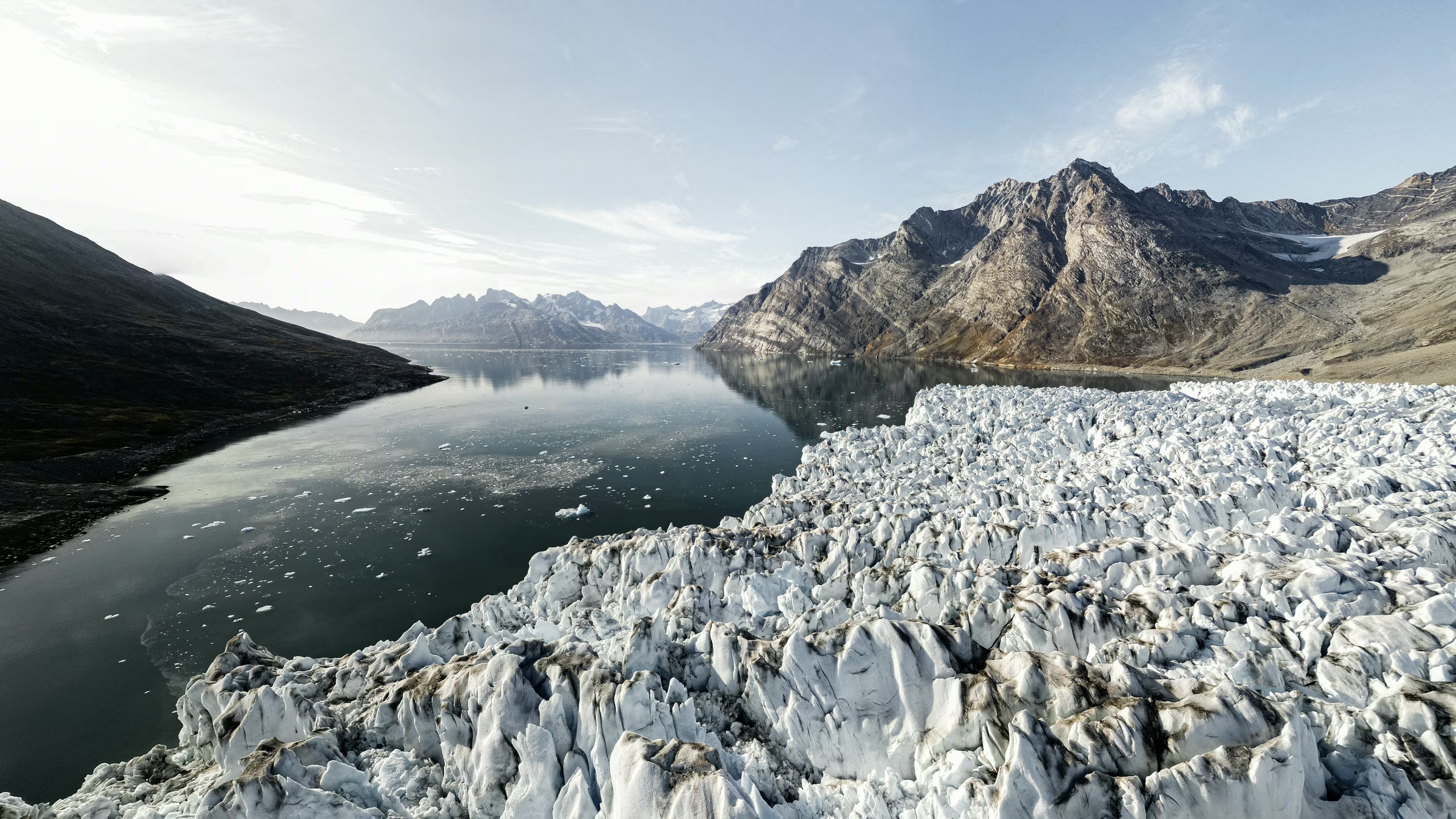
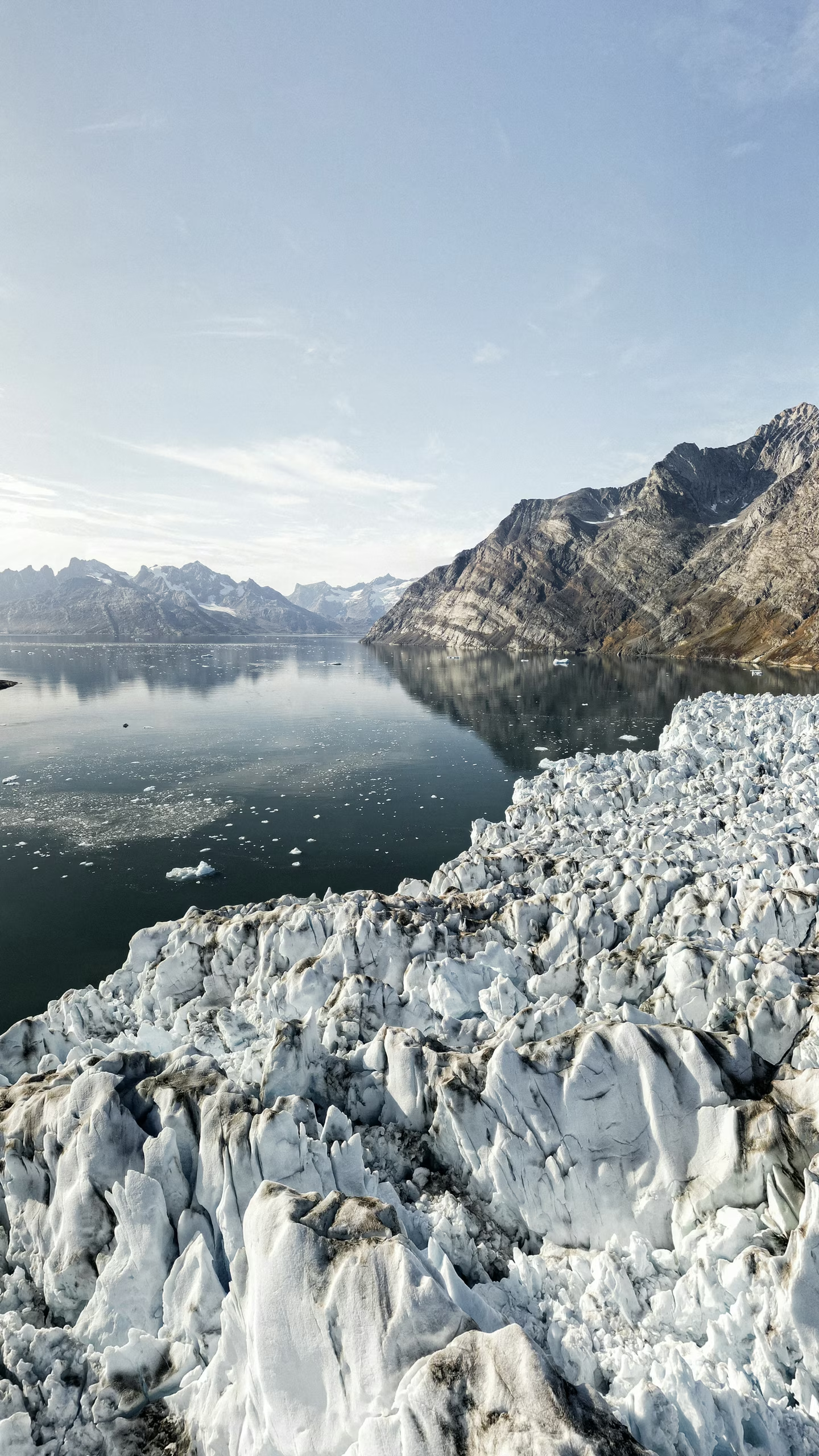
Glacier ice flows into calm fjord water surrounded by rugged mountains under a clear sky.Jagged glacier edges meeting calm water beside rocky mountains under a clear sky.
east greenland

East Greenland, Tasiilaq and the world's wildest fjords

East Greenland is separated from the west coast by the ice sheet and, until recently, by a near-total absence of infrastructure. Tasiilaq is the main town, around 2,000 people on the shore of Ammassalik Fjord, a short flight from Iceland. The mountains come down steeply to the water, the fjords run deep inland, and the ice sheet sits just behind the ridgeline.

Photo by Chris König - Visit Greenland
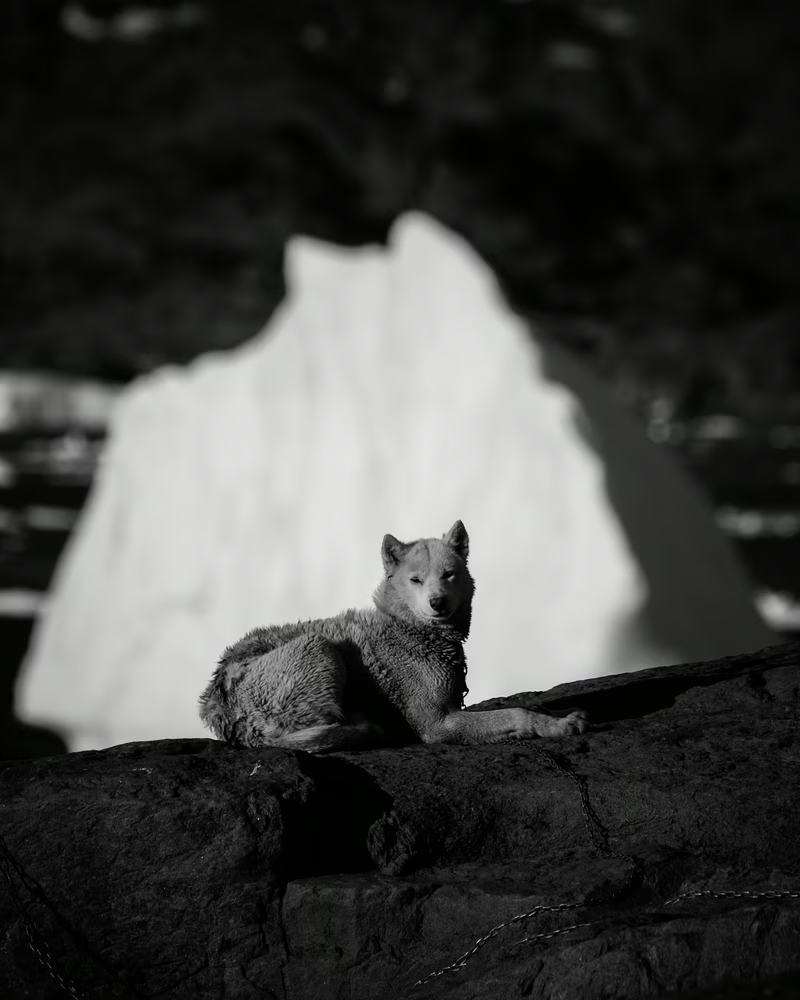
Wolf resting on a rock with a blurred white mountain in the background in black and white.

A coast shaped by glaciers, steep mountains, and a culture that grew up apart

The East Greenlandic coastline is among the most dramatic on earth. The mountains around Tasiilaq are some of the steepest in Greenland, dropping almost straight into the water, while the ice sheet feeds dozens of glaciers into the coast. Far to the north lies Scoresby Sund, the world's largest fjord system, around 350 kilometres long and over 1,500 metres deep.

The practical entry point is Kulusuk, whose airport takes direct flights from Iceland. From there, boats and helicopters reach Tasiilaq, the region's main town, with guesthouses, a few restaurants and a museum of traditional Inuit objects, and day trips out to the surrounding fjords, glaciers and the settlement of Kuummiit. Much further north, Ittoqqortoormiit sits at the mouth of Scoresby Sund, one of the most remote inhabited places on earth, reached via Iceland and usually by expedition vessel.The draws here run from the serious, mountaineering, ski touring, sea-ice kayaking and ice cap crossings, to simple fjord trips that need no technical experience at all.

Photo by Even Tryggstrand - Visit Greenland hund black

Discover East Greenland

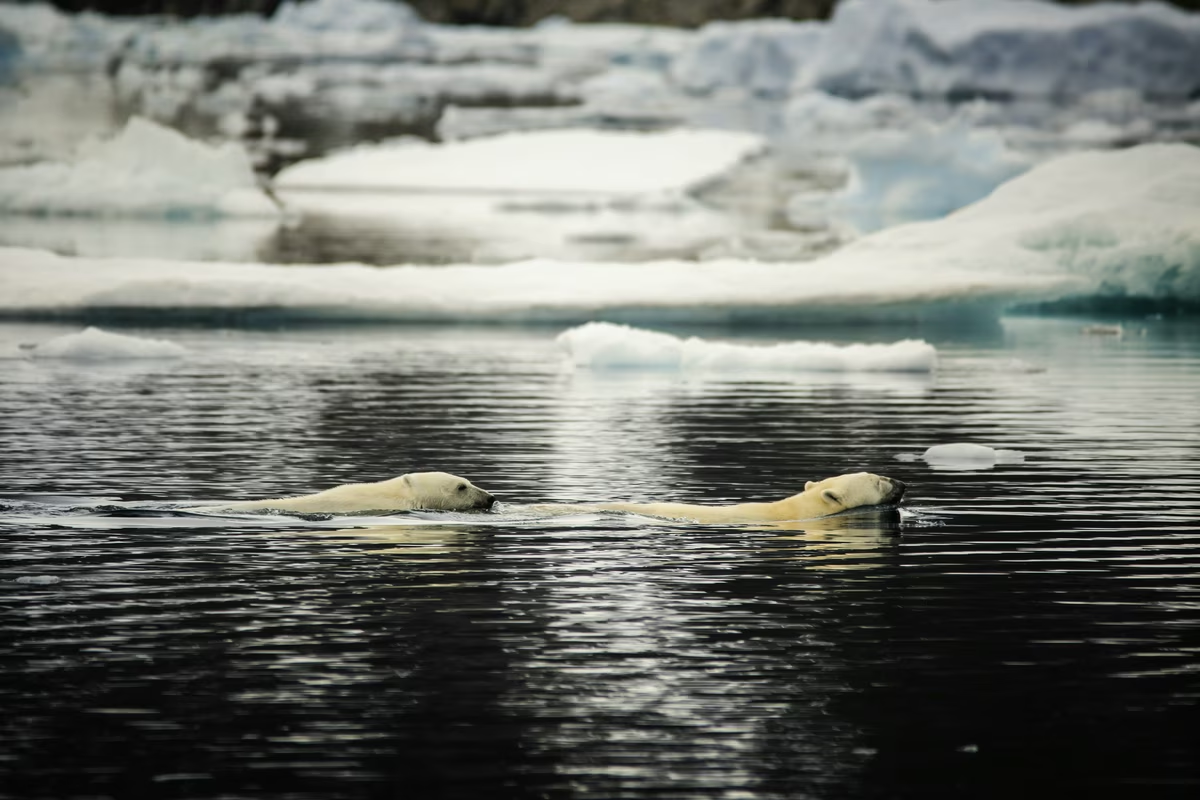
Two polar bears swimming side by side in icy Arctic waters near floating ice chunks.

Photo by Aningaaq Rosing Carlsen - Visit Greenland

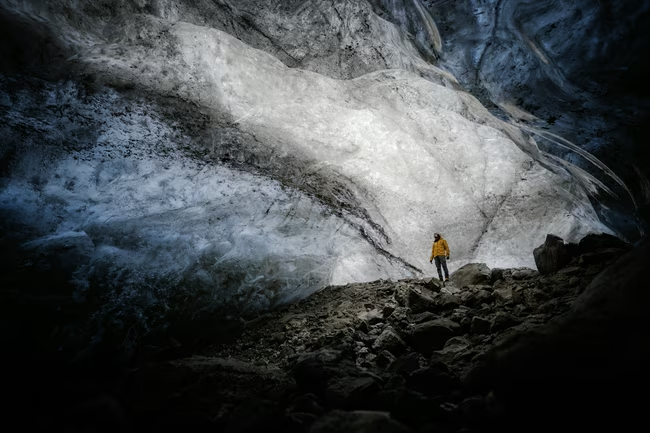
Person in a yellow jacket standing inside a large, dark ice cave with rocky ground.

Photo by Maurice Klaiber - Visit Greenland

Five small bears walking in a line on a vast snowy plain under a pale gray sky.

Emmett Sparling - Visit Greenland

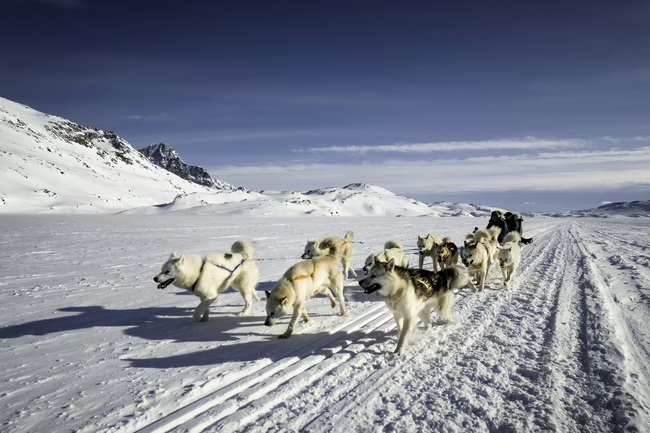
A team of sled dogs walking on snow in a mountainous Arctic landscape under a blue sky.

Photo by Aningaaq Rosing Carlsen - Visit Greenland

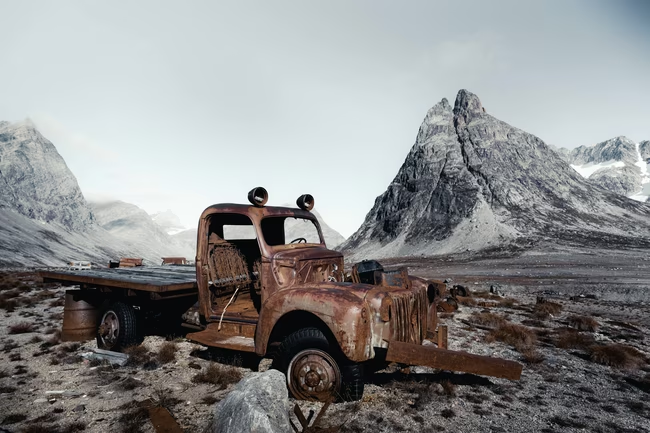
Rusty abandoned truck in a barren mountainous landscape with tall jagged peaks in the background.

Photo by Norris Niman - Visit Greenland

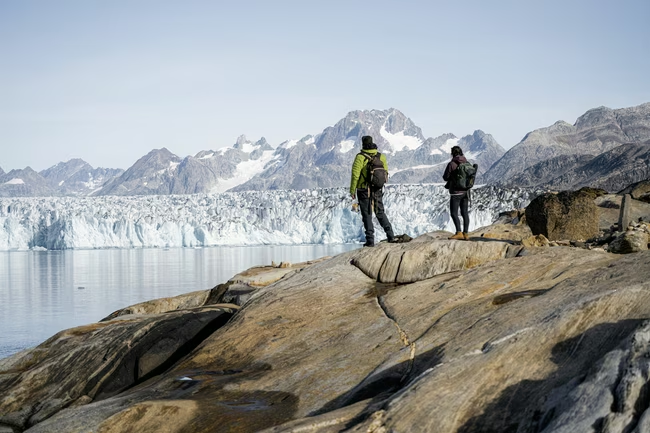
Two hikers stand on rocky terrain facing a glacier and snow-capped mountains under a clear sky.

Photo by Chris König - Visit Greenland ice
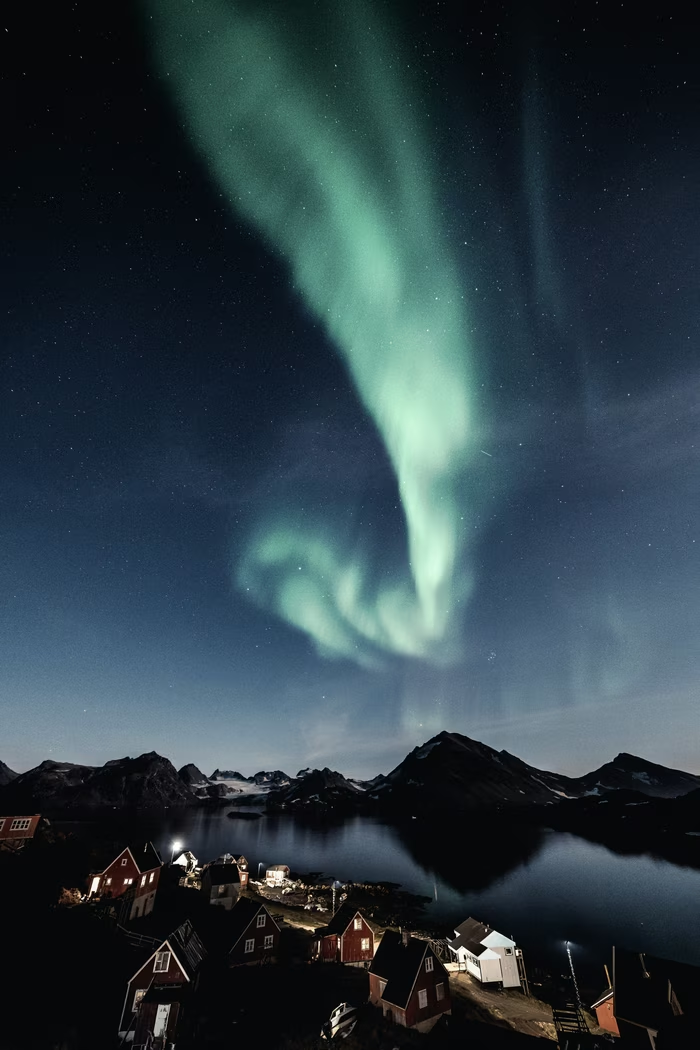
Northern lights glowing green above a small village with mountains and water at night.
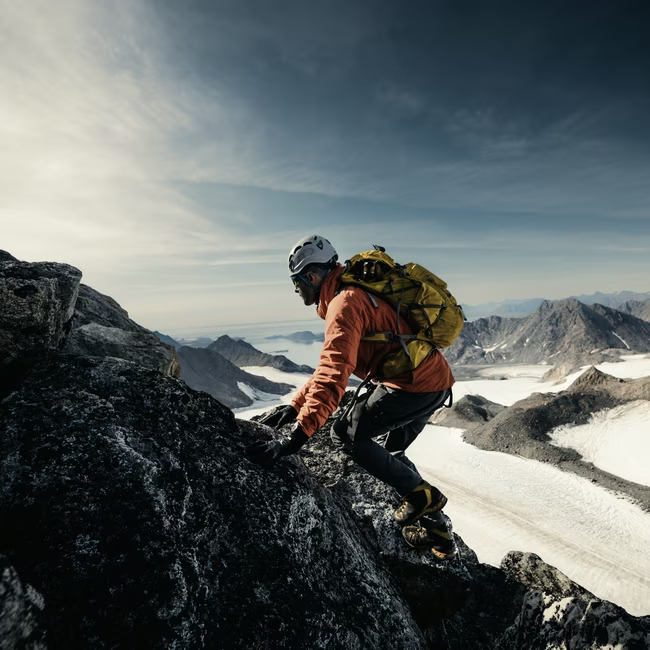
Climber wearing helmet and orange jacket scaling rocky mountain with snowy peaks in the background.

‍Photo by Norris Niman - Visit Greenland

The settlements, the seasons, and how to get to East Greenland

Most trips to East Greenland start in Kulusuk, which has direct flights from Iceland and connections from Nuuk. The surrounding settlements — Tasiilaq, Kuummiut, Tiilerilaaq — are accessible by helicopter or boat depending on season. Get in touch with your dates and interests and we’ll put together the route.

Tasiilaq

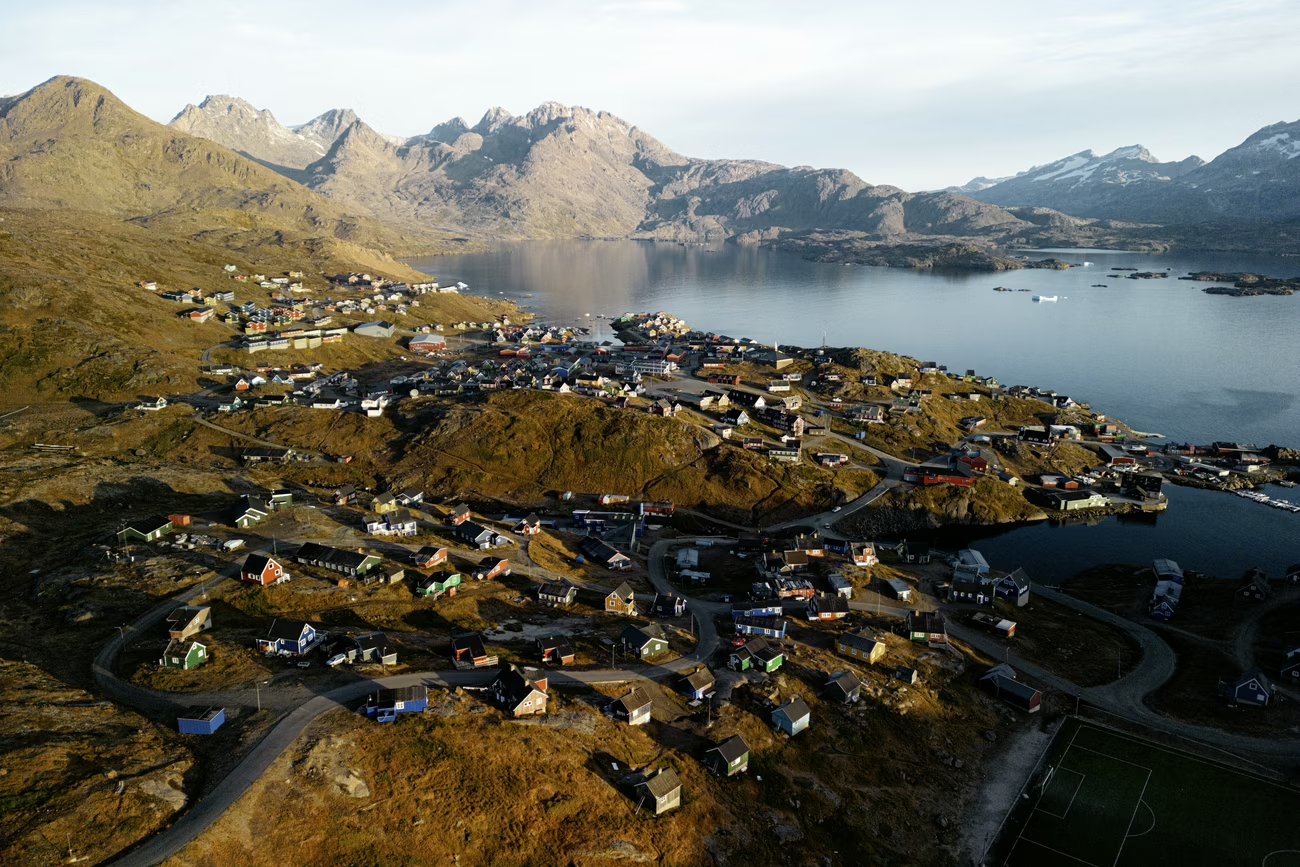
Tasiilaq is the largest town in East Greenland, with around 2,000 people. It sits in a bowl of mountains on Ammassalik island, on the inner shore of a fjord that runs roughly east to the open sea.

The houses are coloured in the way Greenlandic towns typically are — red, yellow, blue — set against a backdrop that doesn’t look like it should have a town in it. The town has the infrastructure for a base: accommodation of several types, food, and local operators who know the surrounding area.

From Tasiilaq, day trips reach glaciers, icebergs, and smaller settlements. Boat access in summer opens up the Sermilik Fjord to the south, which is particularly productive for iceberg photography and wildlife.

Photo by Chris König - Visit Greenland
Aerial view of a coastal town with colorful houses, rocky terrain, and mountains by calm water.

Kulusuk, the island gateway to East Greenland

Kulusuk is a small island settlement of a few hundred people, and for almost every visitor it is the doorway to East Greenland. Its airport, originally built by the US military, takes the direct flights from Reykjavik in Iceland and connects on to Nuuk, making it the practical arrival point for the whole region.

The village itself is worth time in its own right: colourful houses above the shore, a community still closely tied to hunting and fishing, and a strong tradition of drum dancing that visitors are often welcomed to see. From the airport, Tasiilaq is about 15 minutes away by helicopter, or roughly an hour by boat in good summer conditions. Many travellers spend a night here at either end of a trip rather than rushing straight through.

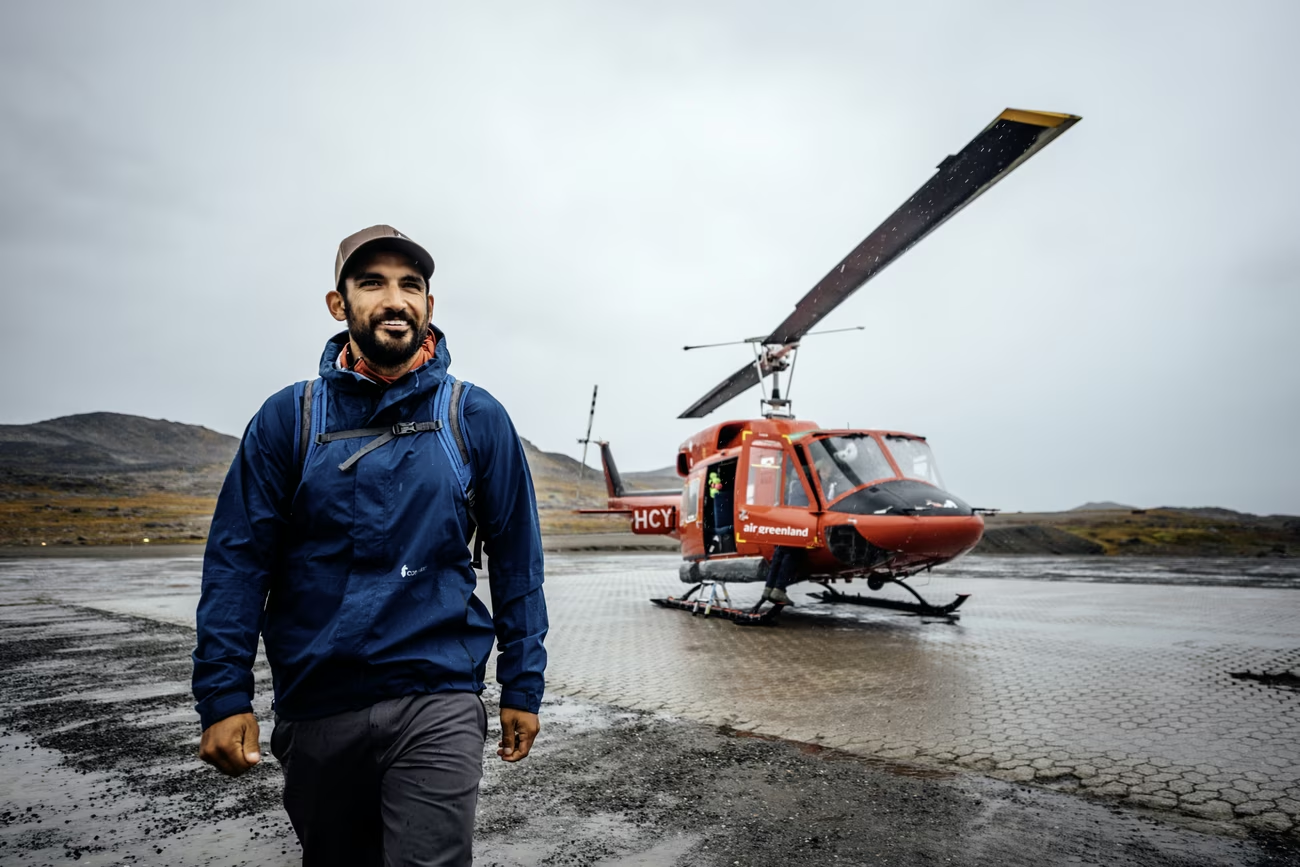
Photo by Chris Brin Lee Jr. - Visit Greenland

Man in blue jacket and cap walking near a red Air Greenland helicopter on wet ground.

Tiniteqilaaq, a tiny village on the Sermilik Fjord

Tiniteqilaaq is one of the most striking small settlements in Greenland, a scatter of houses on the edge of the Sermilik Fjord with a front-row view across some of the most ice-choked water on the east coast. Home to fewer than a hundred people, it sits where a tidal lagoon empties at low tide, which is roughly what its name describes.

The draw here is the setting and the silence. The fjord fills with icebergs calved from the glaciers feeding off the inland ice, and on a clear day the ice sheet itself is visible beyond. Tiniteqilaaq is a popular destination for a day trip or hike from Tasiilaq in summer, and an unforgettable, deeply remote place to spend a night in a traditional East Greenlandic

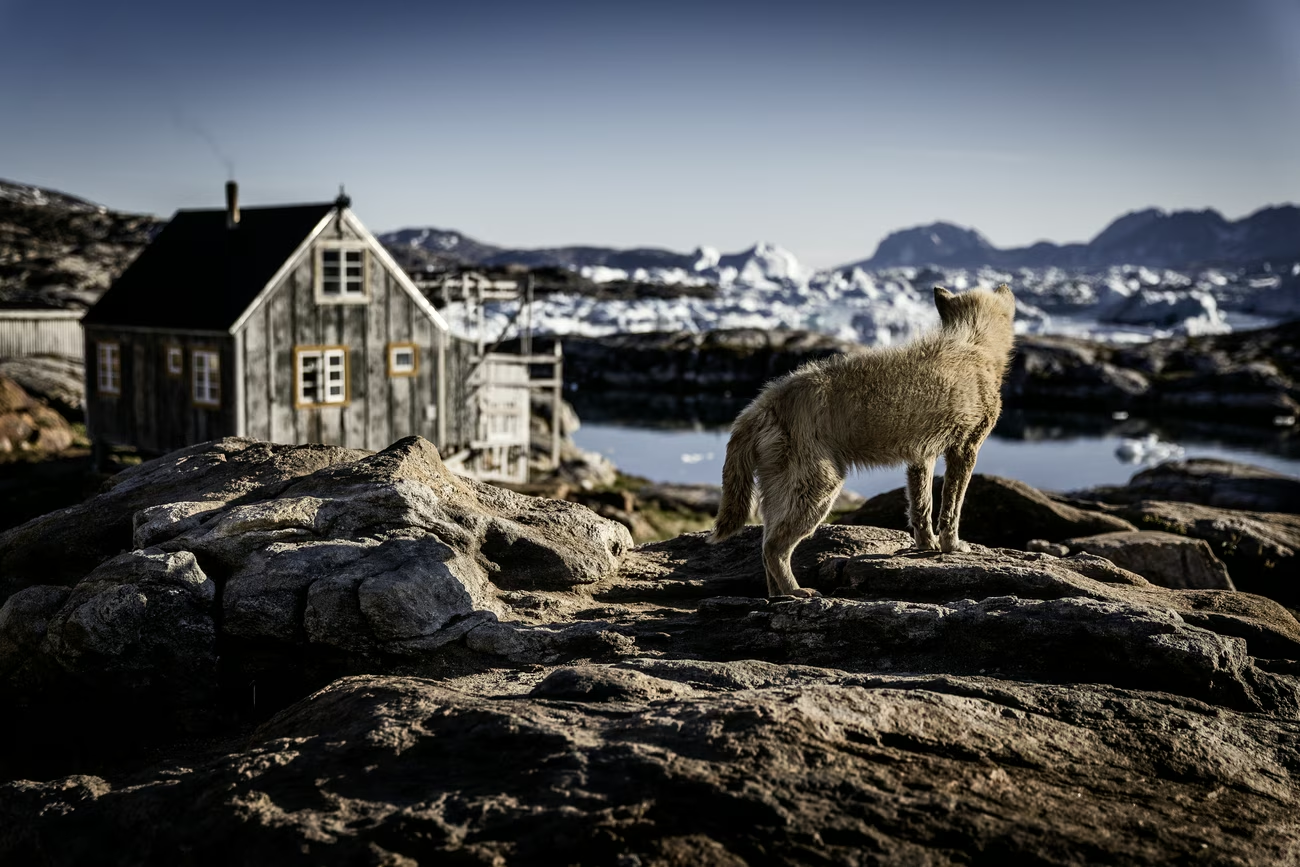
Photo by Mads Pihl - Visit Greenland

Arctic fox standing on rocky terrain near a wooden house with icy mountains and water in the background.

The seasons, sea ice, midnight sun, and ski touring

East Greenland is colder and icier than the west, and the seasons shape what is possible. Summer, from late June to early September, is when the sea ice clears enough for boats to reach the fjords, the settlements and the glacier fronts. It is the season for iceberg photography, hiking and wildlife, under near-constant daylight.

Spring, roughly March to May, is the prime time for ski touring and dog sledding, when the snow and sea ice are firm and the Schweizerland mountains inland are at their best. Autumn brings the return of the northern lights and the first snows, while deep winter is dark, cold and quiet. Because ice and weather drive access here more than anywhere else in Greenland, we plan trips closely around the season you choose.

Photo by Aningaaq Rosing Carlsen - Visit Greenland

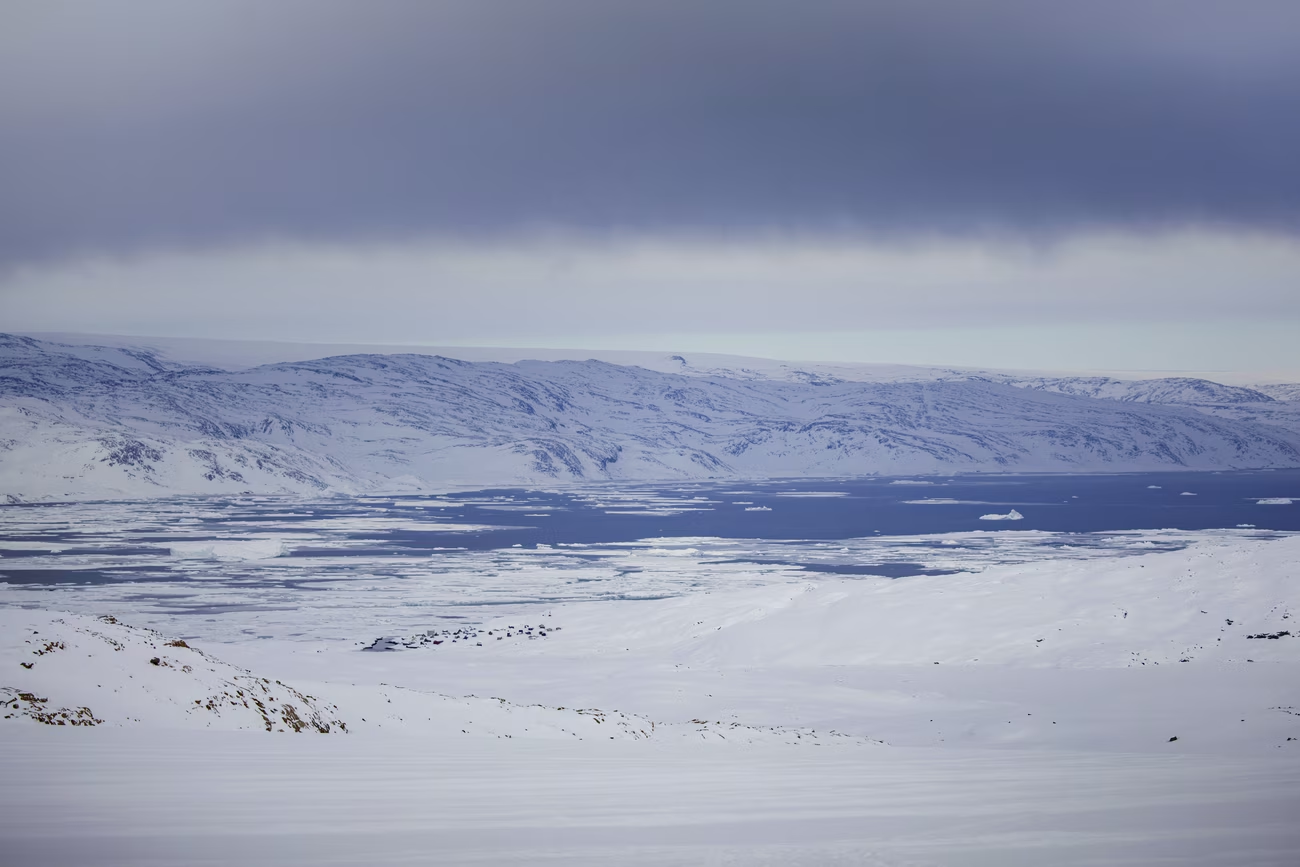
Snow-covered landscape with icy water and distant icy mountains under a cloudy sky.

Getting there, flights through Iceland and onward by air and sea

Almost all trips to East Greenland begin in Iceland. Direct flights run from Reykjavik to Kulusuk with Air Greenland and Icelandair, and Kulusuk also connects to Nuuk for travellers combining the east with the rest of the country. From Kulusuk, a short helicopter hop or a summer boat crossing reaches Tasiilaq, and the surrounding settlements of Kuummiit and Tiniteqilaaq are reached onward by helicopter or boat depending on the season.

The far north of the coast is a separate journey. Ittoqqortoormiit, at the mouth of Scoresby Sund, is reached by air via Iceland to Nerlerit Inaat (Constable Point) and then a helicopter transfer, or by expedition ship in late summer. There is no link between the two areas, so a trip combining Tasiilaq and Scoresby Sund means treating them as two distinct expeditions. Tell us your dates and we'll build the route around what's flying and sailing.

Photo by Aningaaq Rosing Carlsen - Visit Greenland

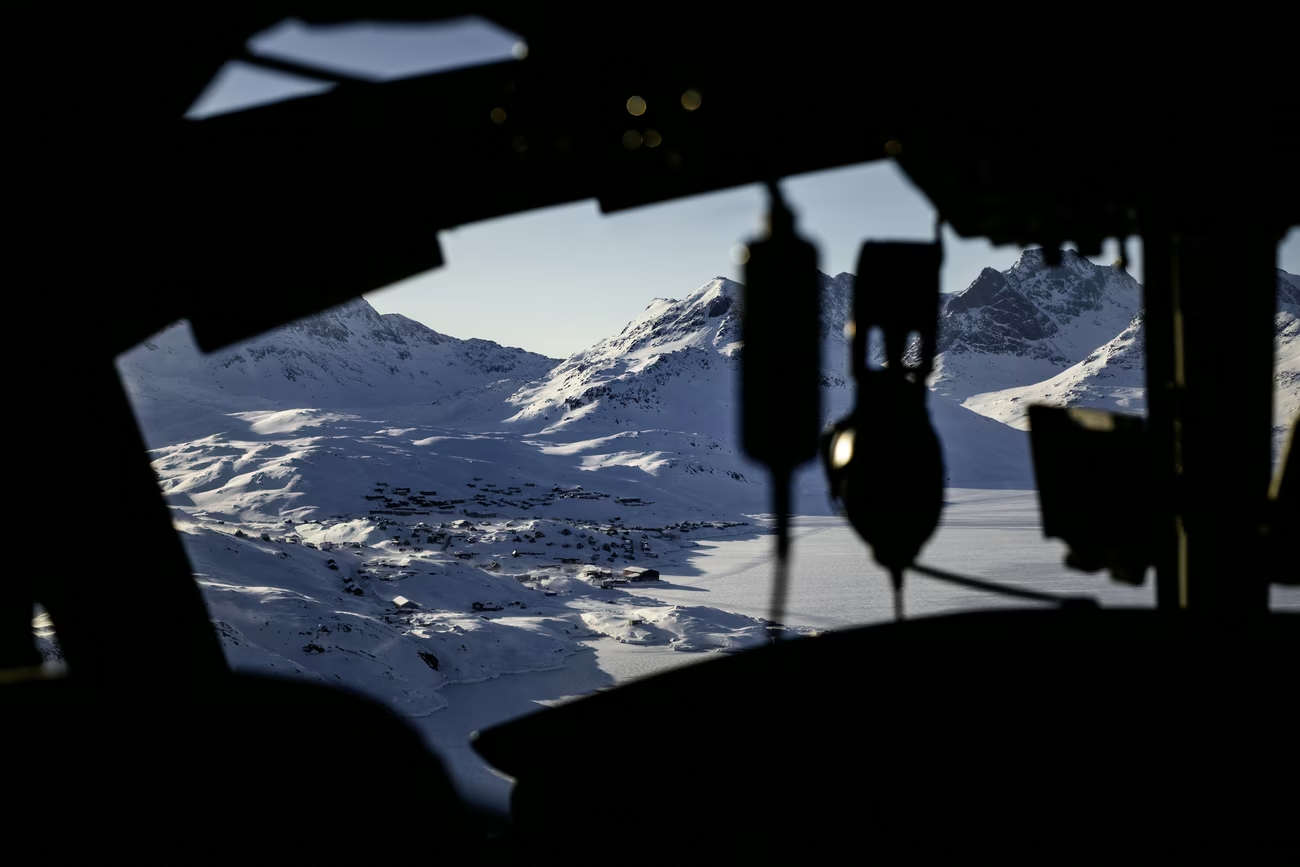
Snow-covered mountains and a village seen through airplane cockpit window silhouette.
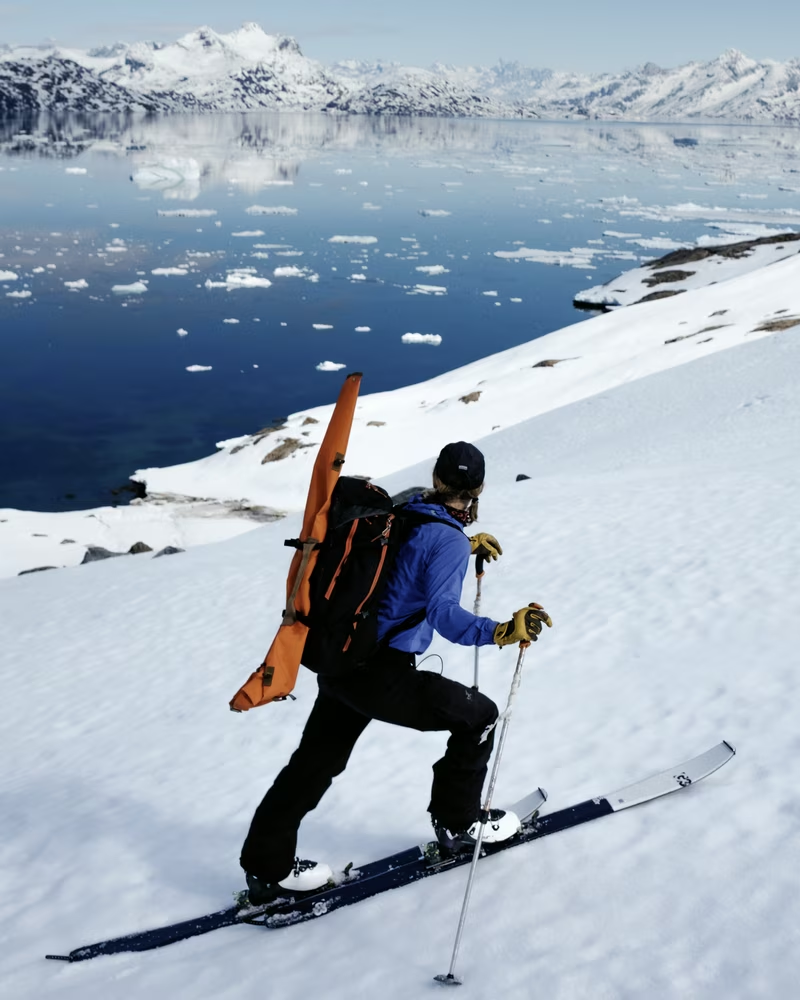
Skier ascending snowy slope with ski poles near icy water and snow-covered mountains.

Ski touring in East Greenland, what the terrain is actually like

The mountains around Tasiilaq are open to skiers with alpine touring experience, dropping from ridgelines at 1,000 to 1,500 metres straight to the fjord in places. There are no lifts, no marked runs and snow that varies year to year, but the terrain is consistently steep and the views over the ice are unlike most European touring.

Heli-skiing is possible too, using the helicopters that serve the settlements. The season runs roughly March to May, before the snow turns wet, and we'd suggest at least five days to make the travel worthwhile. Tell us your experience level and dates, and we'll tell you honestly what's realistic and build a proper itinerary.

Photo by Christie Fitzpatrick - Visit Greenland

1 / 5

What our guests say:

"We were booked on a Raw Arctic tour by a colleague and were so glad to have been included. If we ever go back we would be sure to book with them again! Can’t thank you enough for the above and beyond service - Qujanaq!"

Charlotte Oades

Canada

Common questions about East Greenland

Everything you need to know before planning a trip to Tasiilaq and the East Greenland coast. Get in touch if your question isn’t here.

How do I get to East Greenland?

The most direct route from the US or UK is via Reykjavik to Kulusuk airport, then a short helicopter connection to Tasiilaq. From Copenhagen, the route typically goes via Nuuk on Air Greenland, with a domestic connection. Journey times are significant — plan for at least two days of travel each way from North America.

Is East Greenland suitable for non-expedition travellers?

Yes. While the region attracts mountaineers and ski tourers, much of it is open to anyone reasonably active. From Tasiilaq you can take boat trips among the icebergs, walk to the Flower Valley, visit smaller settlements and watch for wildlife, all without technical skills. The serious expeditions (ski touring, big-wall climbing, ice cap crossings) sit at one end, but a comfortable trip built around fjord cruising, hiking and culture is just as possible at the other.

What wildlife can I expect to see?

The waters and tundra around Tasiilaq support seals, seabirds and Arctic foxes and hares, and in summer whales feed in the open fjords. Further north and out at the ice edge, polar bears are present, though sightings are never guaranteed and are mostly an expedition or ship-based experience. The real spectacle here is often the ice itself, the icebergs and glacier fronts, with wildlife as a memorable bonus. We'll tell you honestly what's realistic for your route and season.

When is ski touring season?

Roughly March to May. This is when the snowpack and sea ice are firm and stable, the daylight has returned after winter, and the Schweizerland mountains inland are at their best, before the snow turns wet later in spring. We'd suggest at least five days to make the long journey worthwhile. Tell us your experience level and we'll build a realistic itinerary around it.

What is the East Greenlandic culture like compared to West Greenland?

It is distinct enough that even the language differs. East Greenlanders speak Tunumiit, a dialect quite separate from the West Greenlandic that most of the country uses, a result of centuries of near-total isolation behind the ice sheet. The east was one of the last inhabited regions to make sustained contact with the outside world, in the 1890s, and that separateness still shows in its drum dancing, crafts and traditions. Visiting the settlements here feels different from the more connected towns of the west coast.

What should I pack for East Greenland?

Pack for serious Arctic conditions, even in summer. Warm insulating layers are essential, with a windproof and waterproof outer shell, hat, gloves and sturdy waterproof footwear for boat landings and rough ground. Bring sunglasses and sunscreen for the bright, ice-reflected light, and a good camera for the icebergs. For a ski touring or expedition trip, we'll send a detailed gear list tailored to the season.

Can I visit Scoresby Sund and Ittoqqortoormiit?

Yes, but it's a separate journey from Tasiilaq. Scoresby Sund is the largest fjord system in the world, and its gateway settlement, Ittoqqortoormiit, is one of the most remote inhabited places on earth. It's reached by air via Iceland to Nerlerit Inaat (Constable Point) and a helicopter transfer, or by expedition ship in late summer. There's no link between here and the Tasiilaq area, so combining the two means treating them as two distinct trips. Tell us which draws you and we'll build the route around what's flying and sailing.

Let’s plan your trip to East Greenland

Tell us what you’re looking to do, when you’re thinking of coming, and your experience level for anything more technical. East Greenland takes more planning than most destinations — the sooner you get in touch, the better.

Please fill out the form

We will get back to you as soon as possible

Thank you! Your submission has been received!
Oops! Something went wrong while submitting the form.