Start your Arctic adventure with us today
Share your travel plans and preferred dates — our team will review availability and get back to you with the best options.

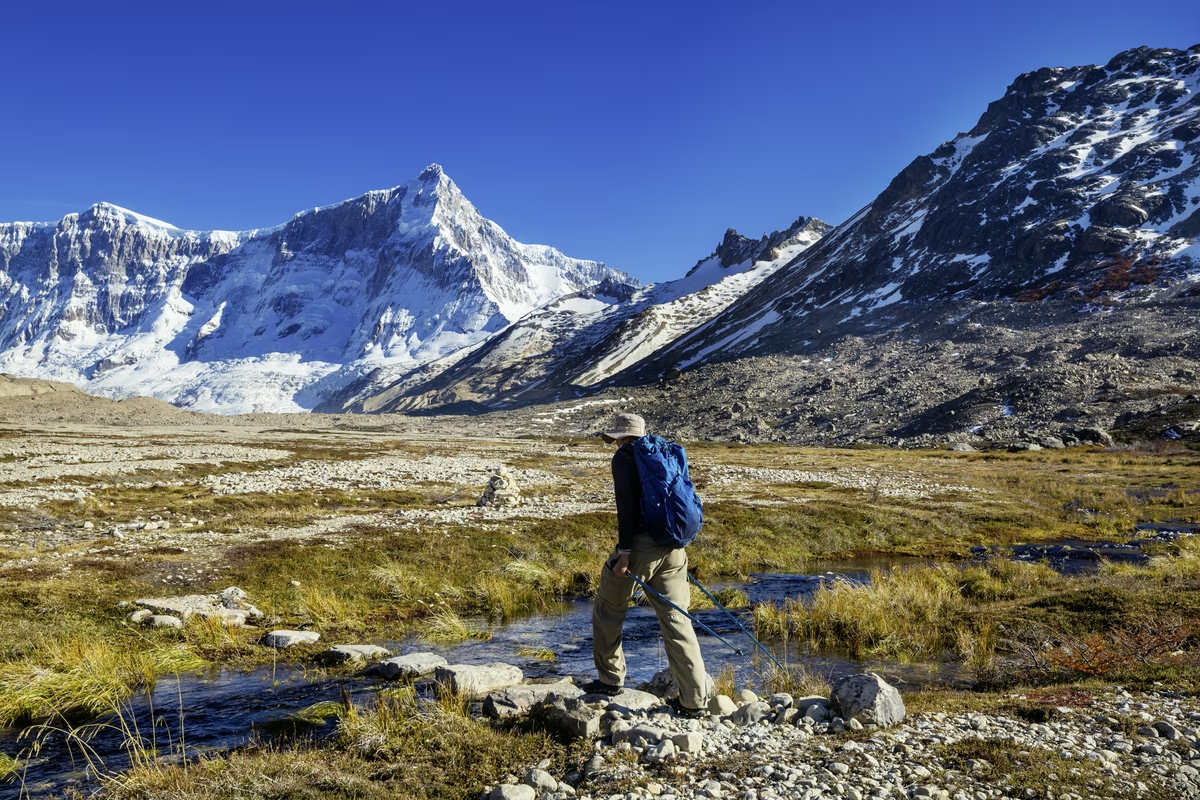
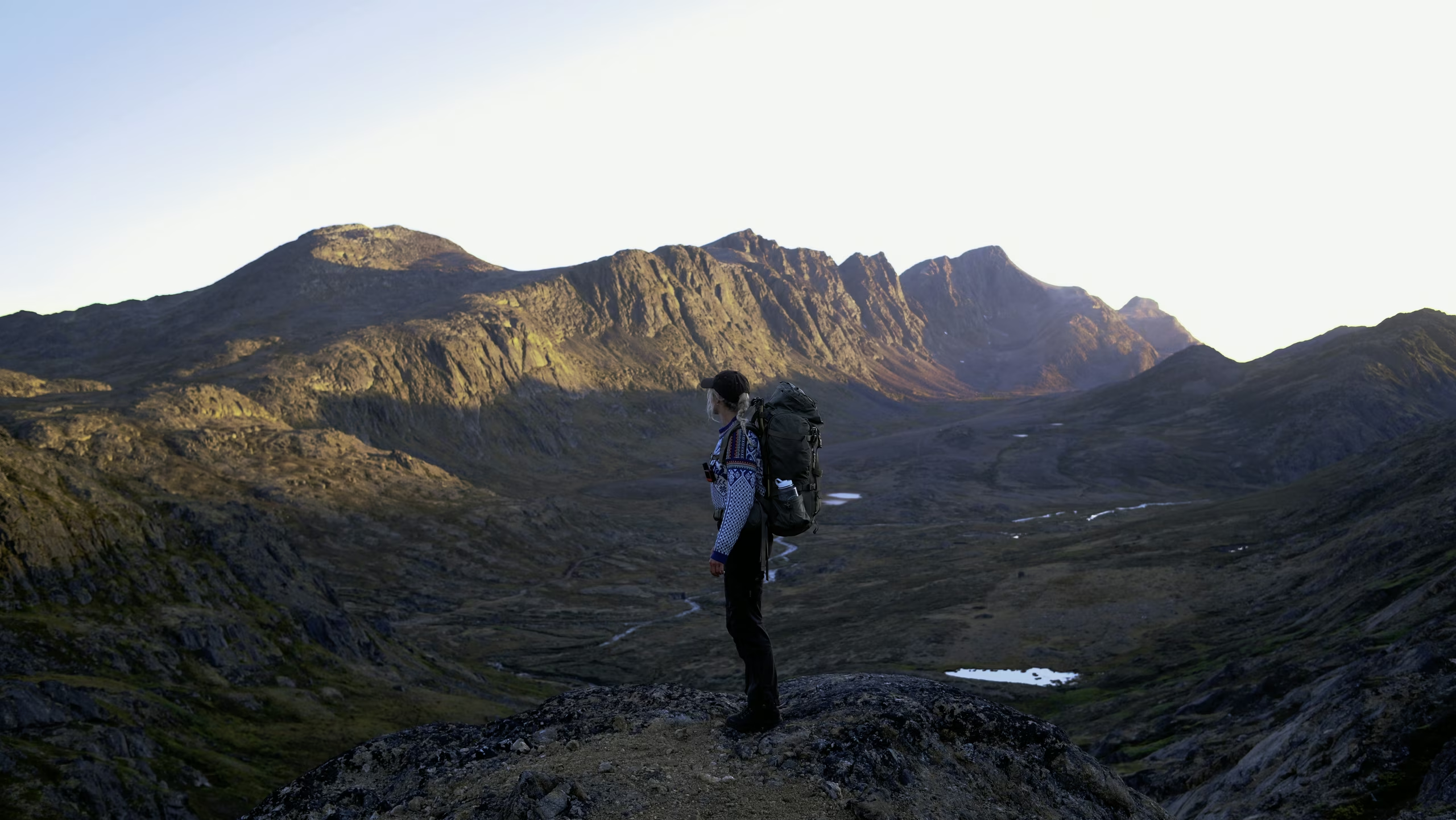
The Arctic Circle Trail crosses 165 km of West Greenland between Kangerlussuaq and Sisimiut, the best rated long-distance overland hiking route in the country. Tundra, lake chains, treeless valleys, no roads, almost no infrastructure for a week's walk.
We arrange the trip in either direction: inland-to-coast feels like a release into salt air, coast-to-inland feels like an approach toward the ice sheet.
Most walks shape into seven to ten days. Tell us which direction you'd like to start from and we'll plan the rest.
Photo by Line Hedegaard - Visit Greenland
1 / 5

Mica Diamond
United States

Kinga Jaromin
Poland

June Trout
Canada

Florian Zaragoci
France

Photo by Lisa Germany - Visit Greenland


Photo by Peter Lindstrom & Photo by Lisa Germany - Visit Greenland
Most travellers don't realise the trail can be walked either way, and the experience changes character with the choice. Starting at Kangerlussuaq means walking out toward the sea, ending in a working harbour town. Starting at Sisimiut means walking inland, drier and browner with every kilometre, finishing within sight of the ice sheet. Same trail, two different stories.
Photo by Lisa Germany - Visit Greenland

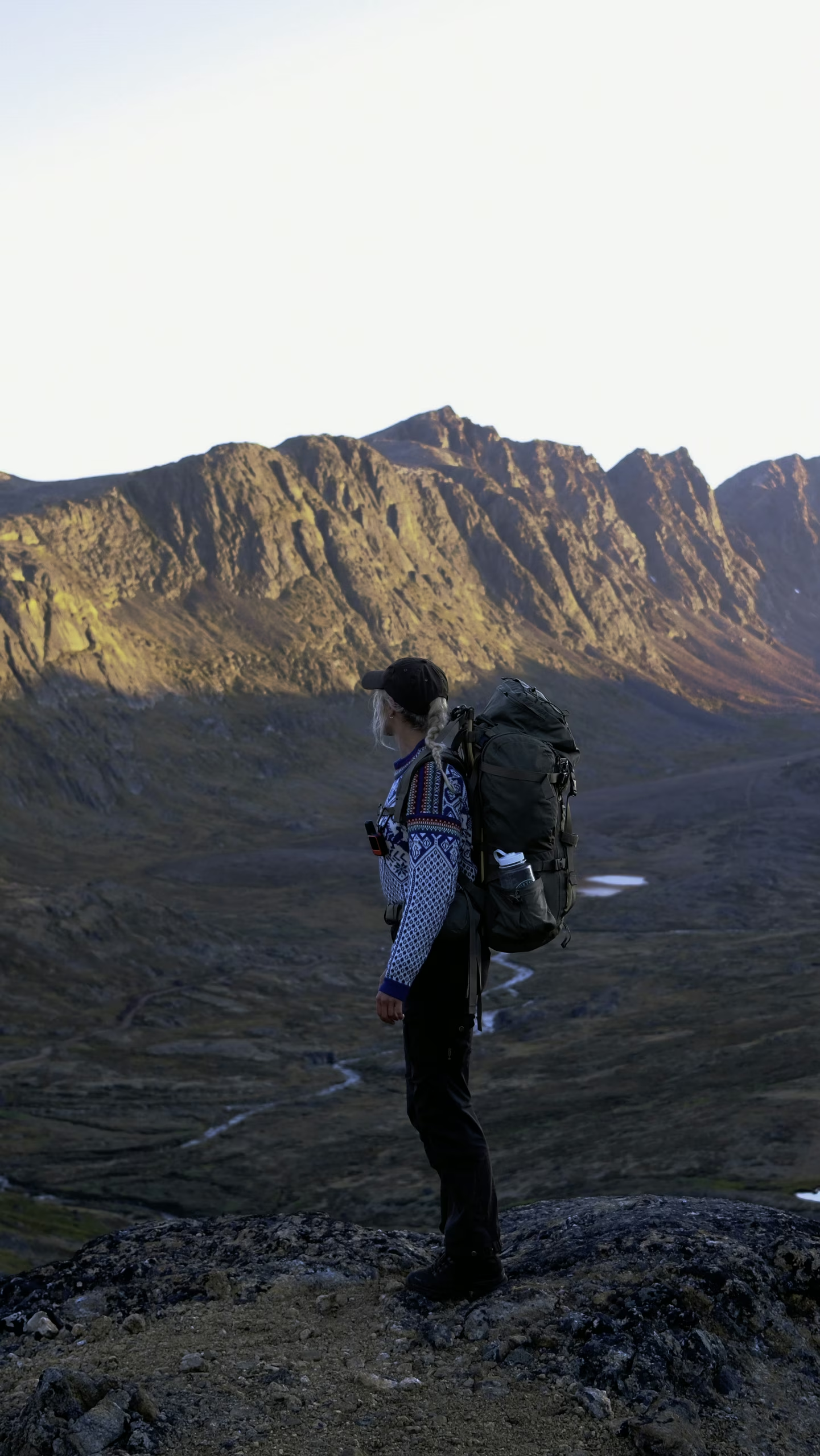
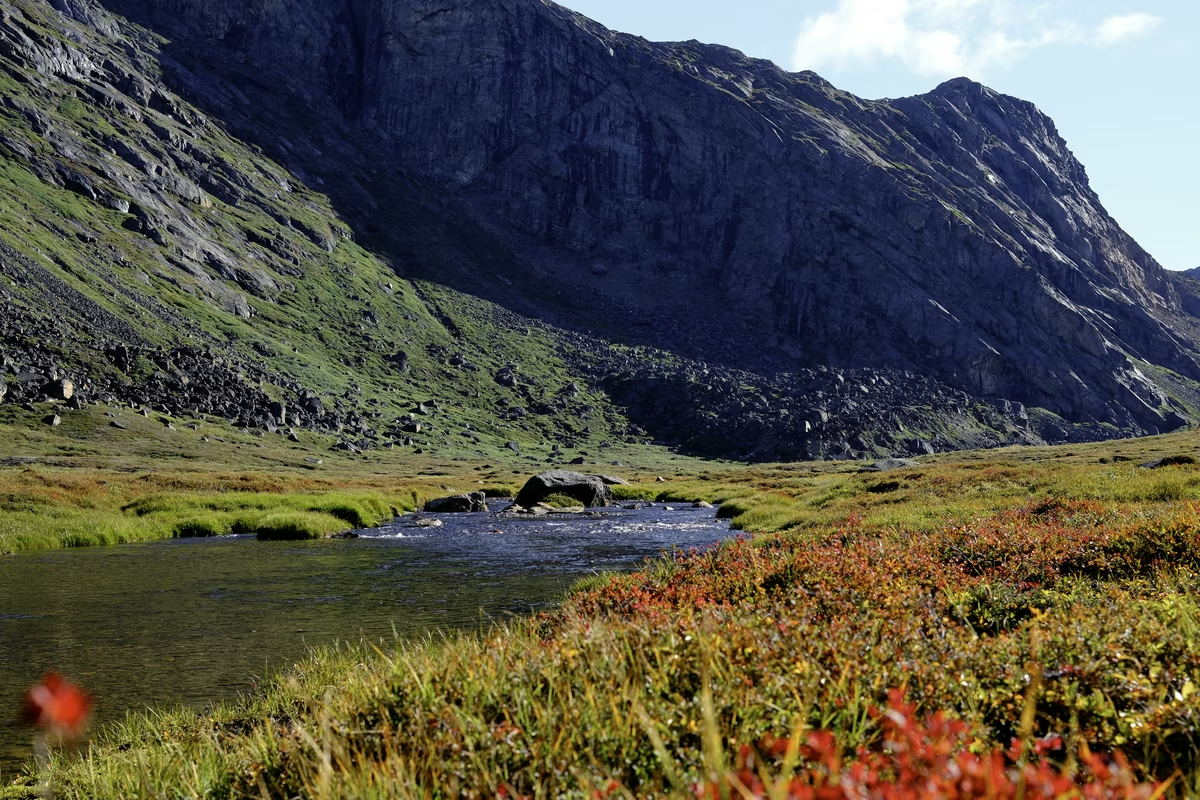
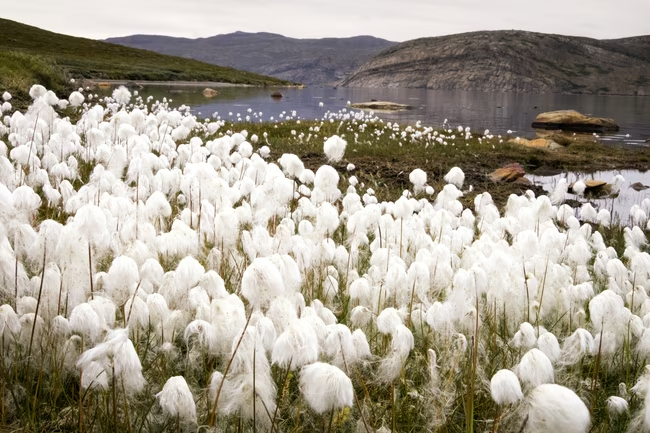
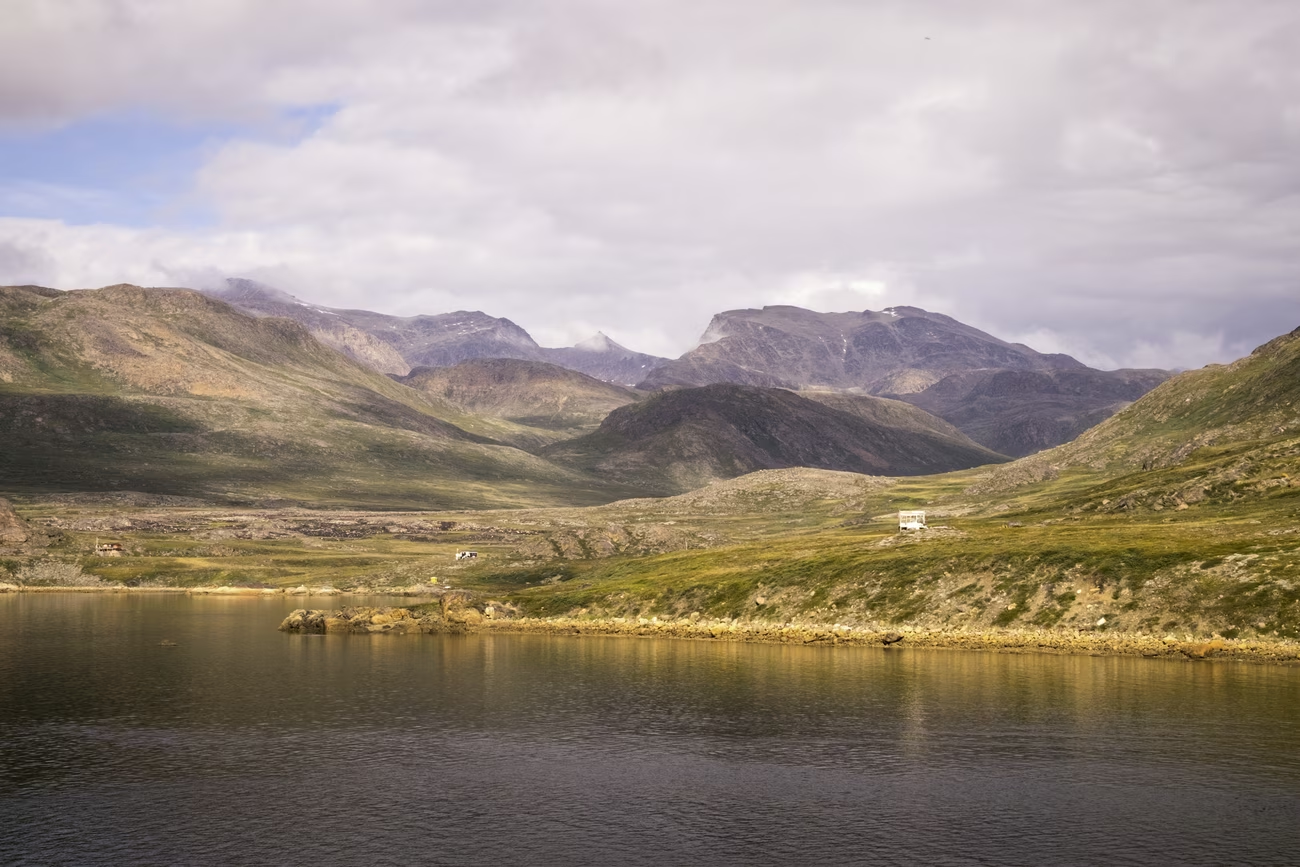
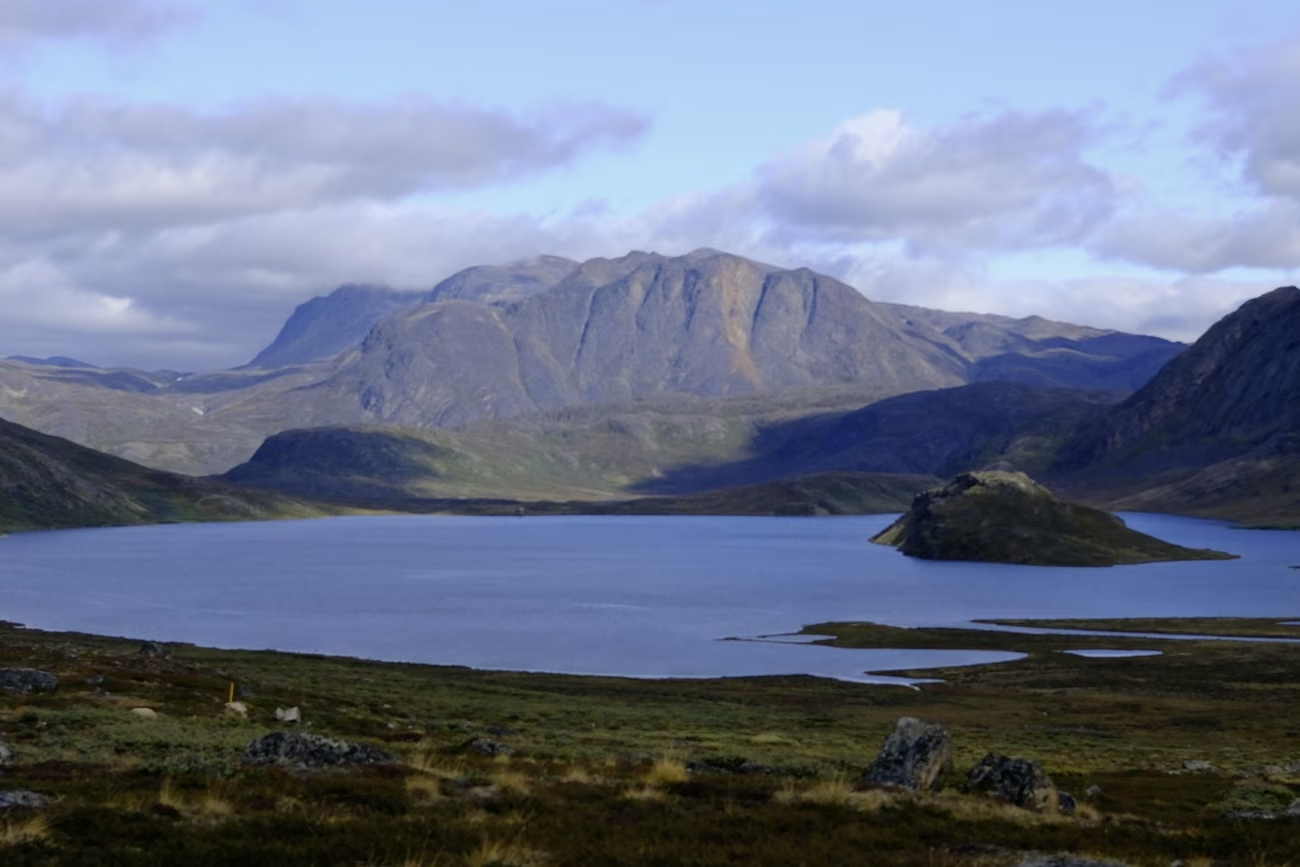
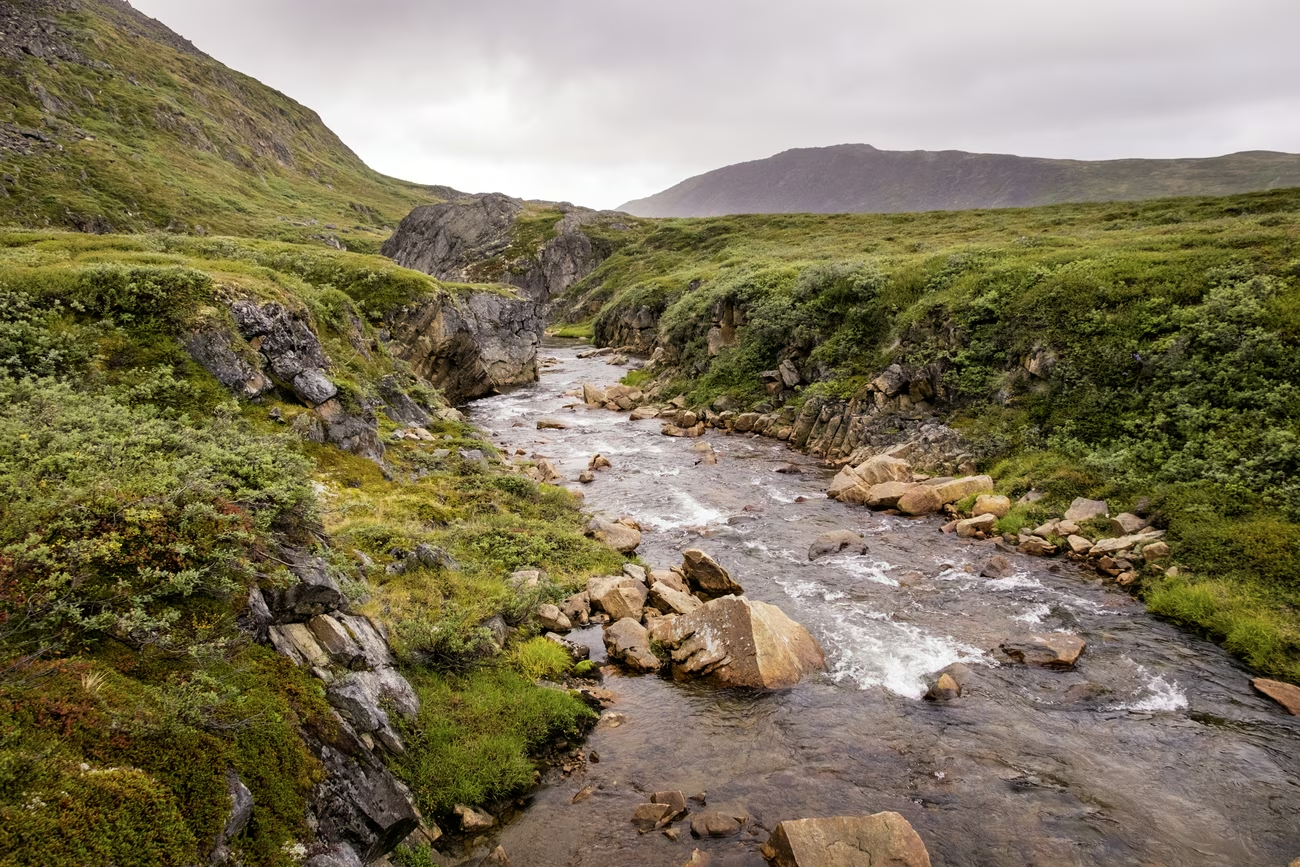
The country between Kangerlussuaq and Sisimiut is sometimes called "a land of one hundred lakes." The trail follows lake chains, climbs low coastal passes, drops through dwarf-birch valleys, and crosses long stretches of bog where the path itself is often no wider than 30 cm. Amitsorsuaq, a long narrow lake, is the spine of the middle section.
Photo by Line Hedegaard - Visit Greenland

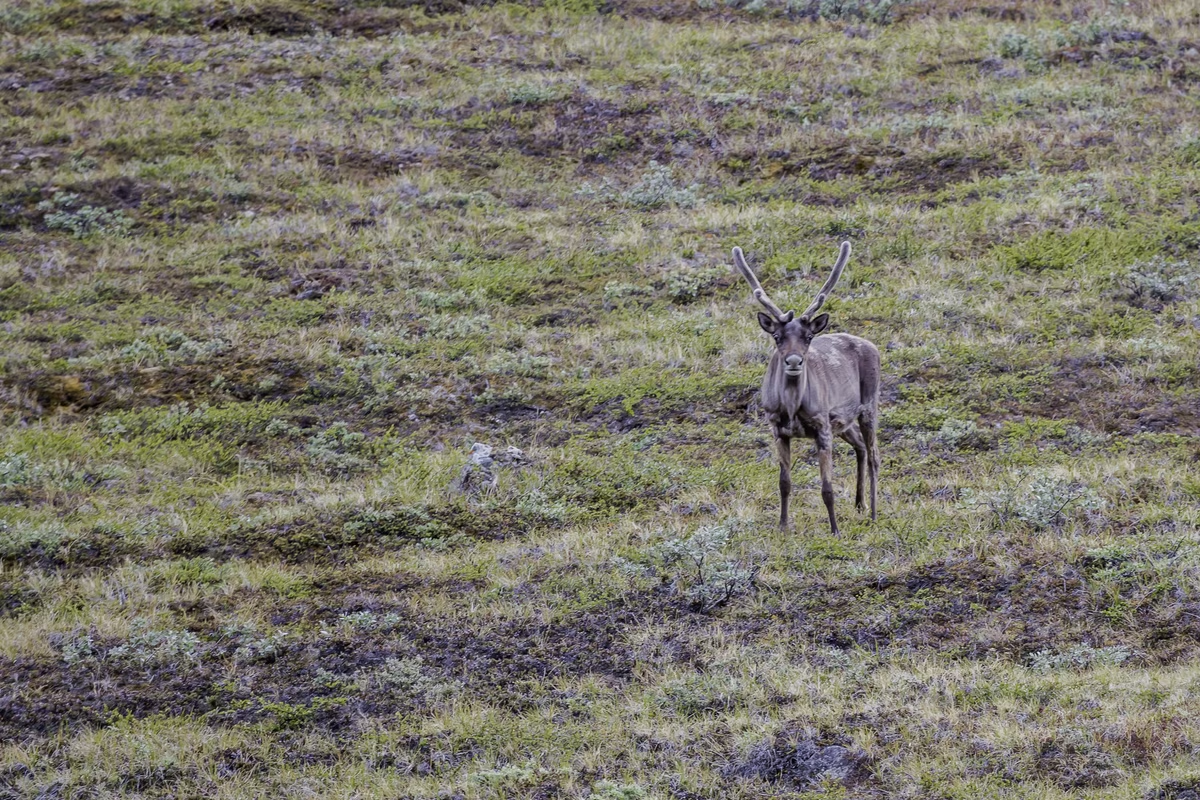
The Arctic Circle Trail sees around 1,500 hikers in a typical year, a fraction of a single day on better-known long trails. No villages, no signal, often no other hikers for a full day. The pitch isn't summits or "challenge". It's the absence of things.

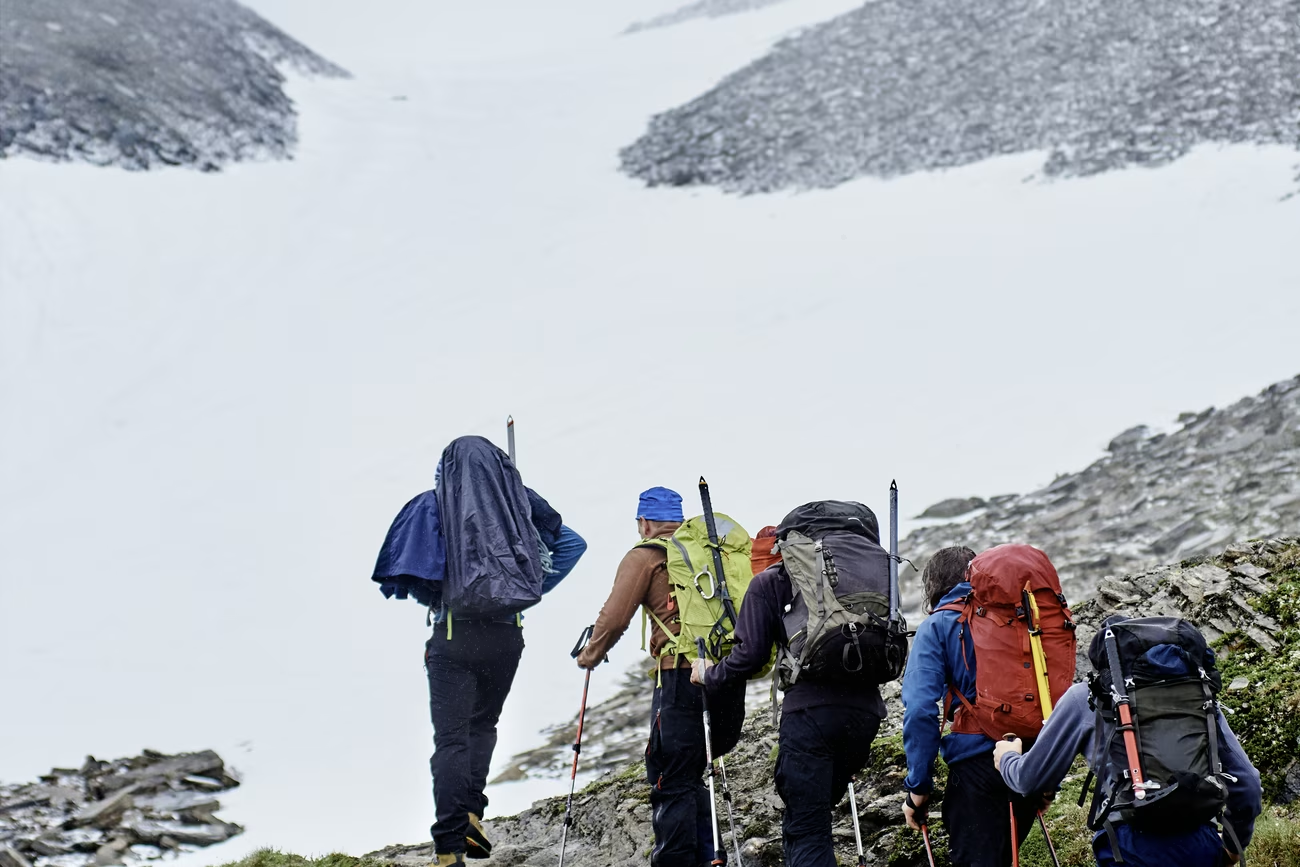
Mid-July through early September is the practical hiking window. Earlier, snow still holds the higher passes; later, autumn frosts arrive. Midsummer brings midnight sun and mosquitoes; late summer brings cooler nights, autumn tundra colour, and the first aurora as the dark returns.
Photo by Lisa Germany - Visit Greenland


Every Arctic Circle Trail trip is unique, shaped by the direction you walk it, your pace, and how supported you want the route to be. We can build the trip around what kind of experience you're after: a classic full traverse over seven to ten days, a shorter section walked as a four- or five-day taste, or a fully supported version with resupply along the way.
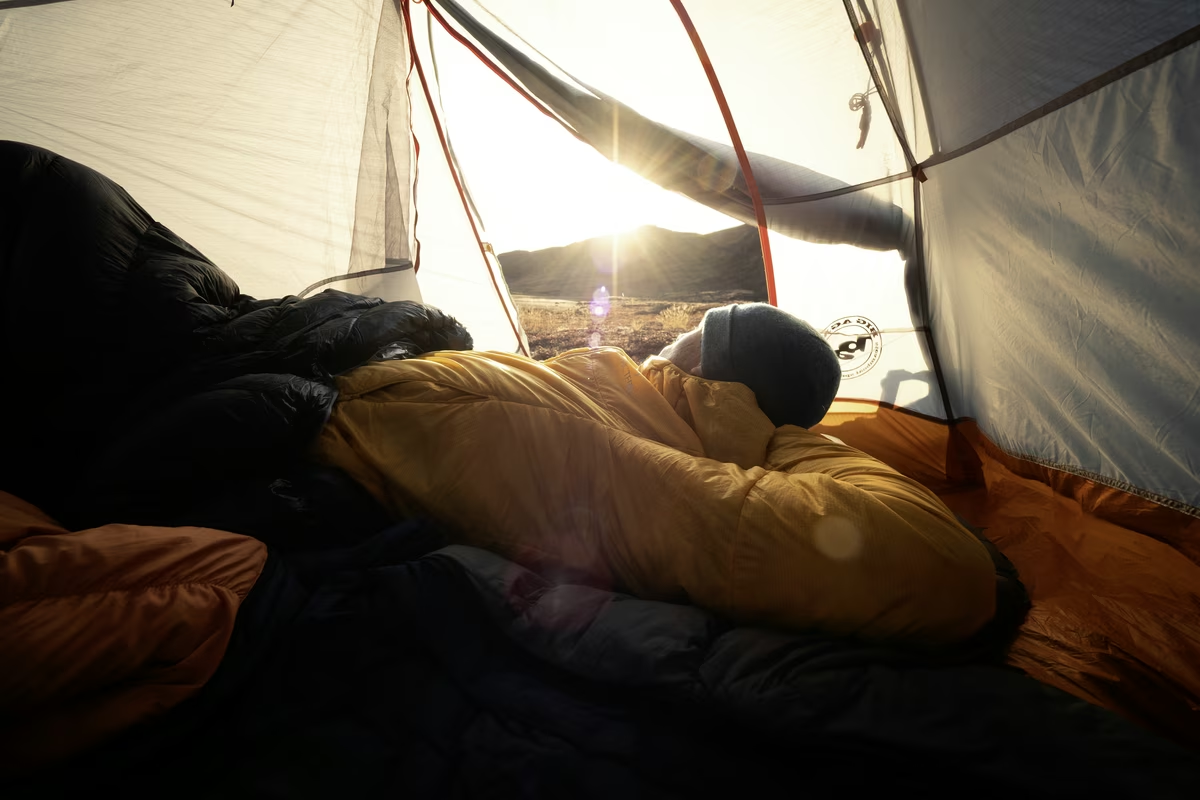
Some trips lean into solitude, minimum support, hut nights, long days on the trail. Others lean into comfort, a guided walk with prepared meals, lighter packs, and contingency plans for weather. The direction matters too: inland-to-coast feels like a release; coast-to-inland feels like an approach.
Tell us what you have in mind and we'll arrange the timing, the resupply, the transfers, and the contingencies.
Everything you need to know about this tour — from key details to what you can expect during the experience. If you can’t find your answer here, we’re always here to help.
The trail runs 165 km across West Greenland between Kangerlussuaq and Sisimiut. Most walks shape into seven to ten days, though a shorter section can be walked as a four or five day taste, or the full traverse can be done with resupply along the way. We plan the timing, transfers, and contingencies around your pace.
The trail can be walked either way, and the experience changes with the choice. Starting at Kangerlussuaq means walking out toward the sea, finishing in a working harbor town, which feels like a release into salt air. Starting at Sisimiut means walking inland, drier and browner with every kilometer, finishing within sight of the ice sheet. Same trail, two different stories.
Mid-July through early September is the practical hiking window. Earlier, snow still holds the higher passes, and later, autumn frosts arrive. Midsummer brings the midnight sun and mosquitoes, while late summer brings cooler nights, autumn tundra color, and the first aurora as the dark returns.
This is a serious hike best suited to seasoned hikers. The route follows lake chains, climbs low coastal passes, drops through dwarf-birch valleys, and crosses long stretches of bog where the path is often no wider than 30 cm. There are no roads and almost no infrastructure for a week of walking, so fitness and backcountry confidence matter.
Rarely. The trail sees around 1,500 hikers in a typical year, a fraction of a single day on better-known long trails. Expect no villages, no signal, and often no other hikers for a full day. The appeal is not summits or challenge, it is the absence of things.


Share your travel plans and preferred dates — our team will review availability and get back to you with the best options.