Start your Arctic adventure with us today
Share your travel plans and preferred dates — our team will review availability and get back to you with the best options.

The Ilulissat Icefjord drains directly from Greenland's inland ice sheet into Disko Bay, fed by Sermeq Kujalleq, a glacier that discharges around 35 cubic kilometres of ice each year. Inscribed by UNESCO in 2004, the fjord delivers some of the largest icebergs in the Arctic to the open bay.
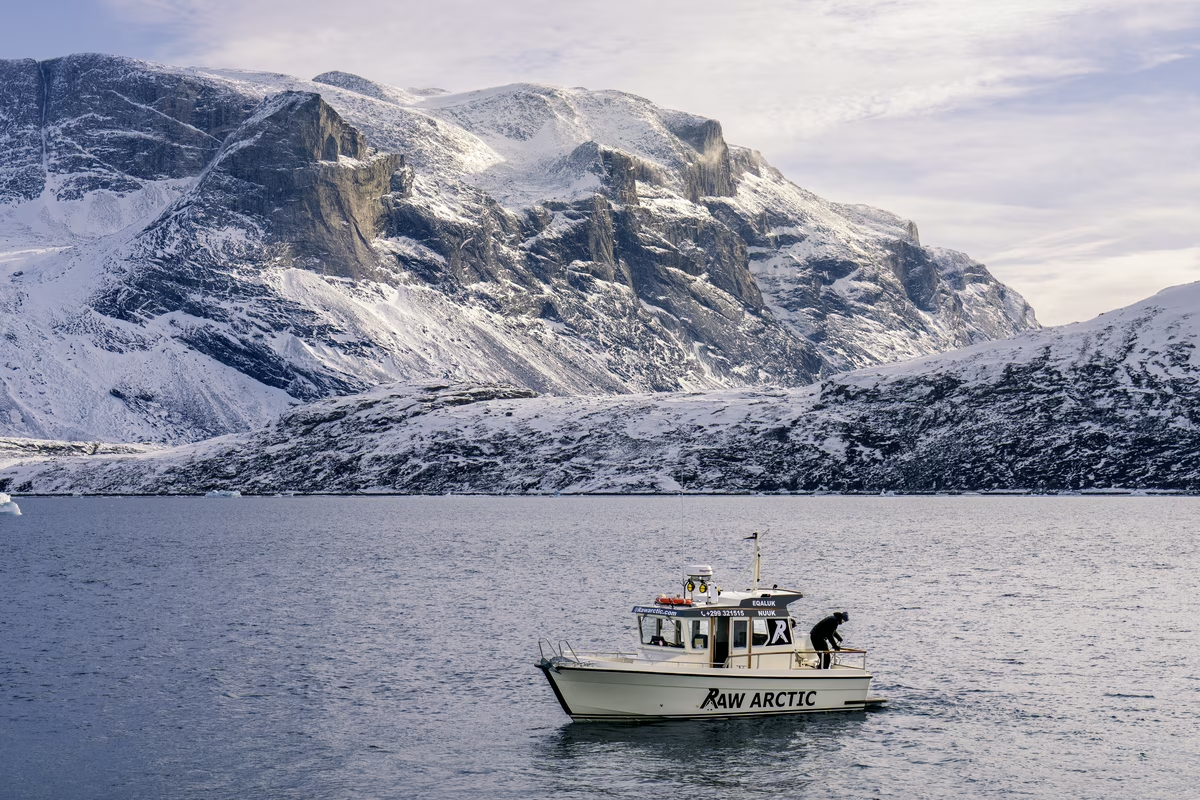
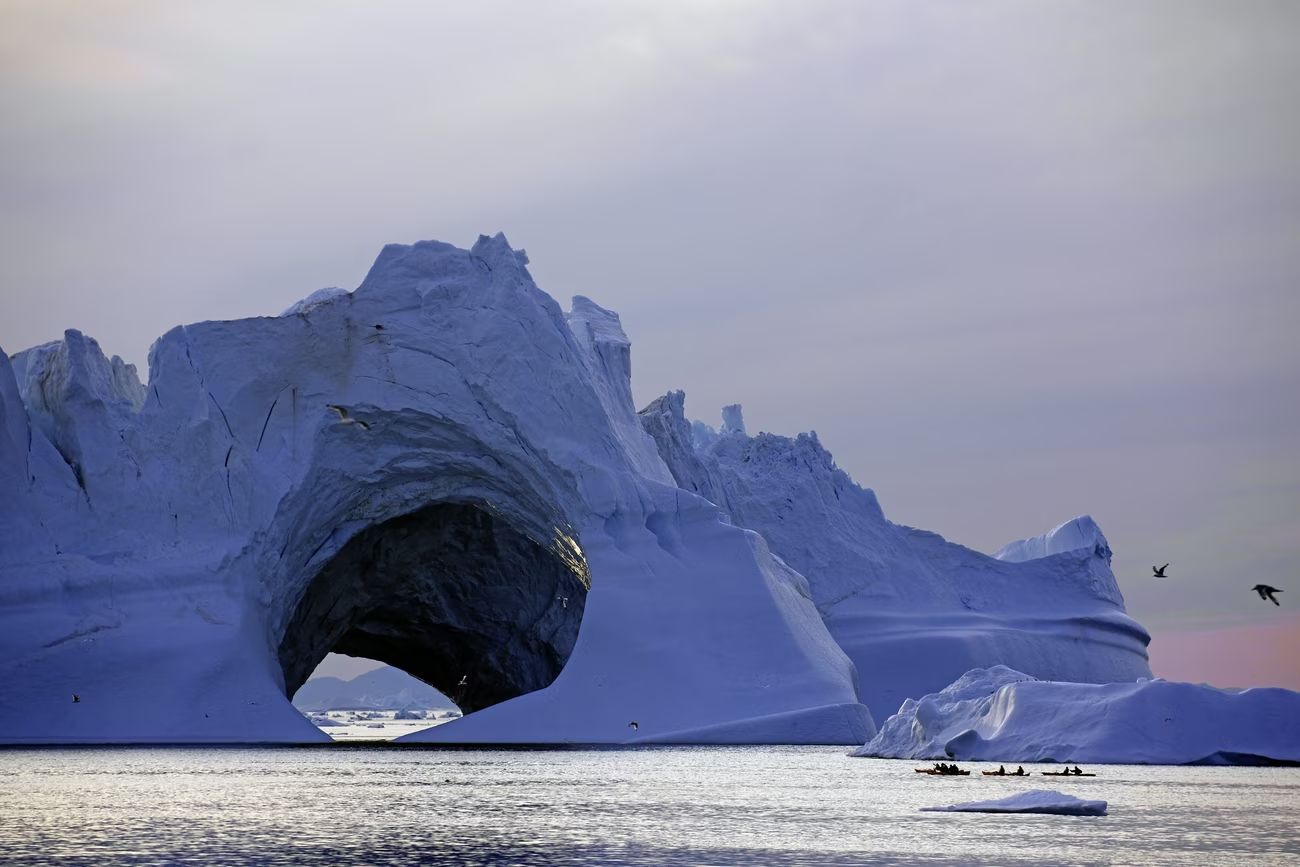
From the water, the scale of the bergs resists photography, buildings, then cliffs, then islands as the boat approaches. Trips usually run two to three hours. Tell us when you'd like to come and we'll shape the day around the fjord and the light.
Photo by Stephane Gautronneau - Visit Greenland
1 / 5

Kinga Jaromin
Poland

Mica Diamond
United States

Scott Moorhouse
United States

Photo by Àsa Steinars - Visit Greenland


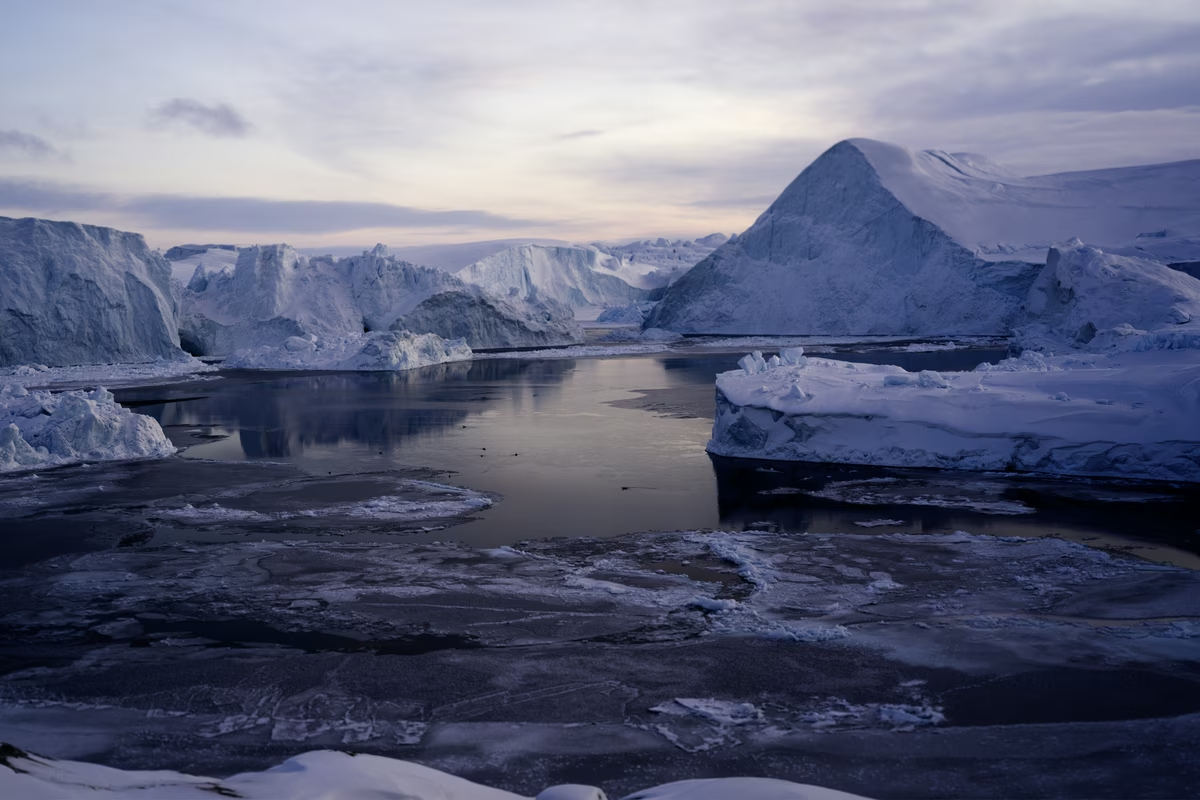
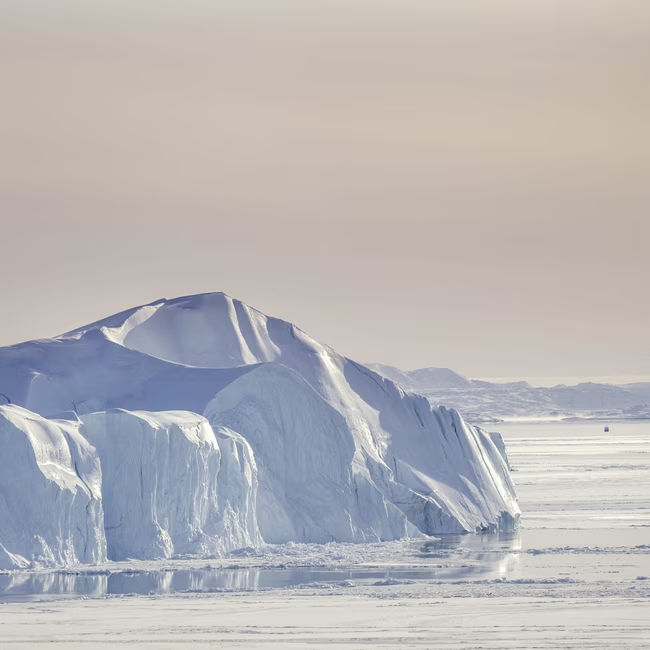
Photo by Lisa Michele Burns - Visit Greenland- solnedgang - stor is med båd langt væk
Sermeq Kujalleq is the most productive glacier in the Northern Hemisphere. It discharges around 35 cubic kilometres of ice into Disko Bay each year. The icebergs drifting down the fjord were once part of the Greenland ice sheet, sometimes thousands of years old, now slowly melting toward the open ocean.
Photo by Jason Charles Hill - Visit Greenland

The Ilulissat Icefjord was added to the UNESCO World Heritage list in 2004. The reasons are practical. It's one of the few places on Earth where a major glacier in active retreat can be observed directly, and aesthetic. The density of icebergs at the fjord mouth is unmatched anywhere on the planet.
Photo by Reinhard Pantke - Visit Greenland - Hul I is

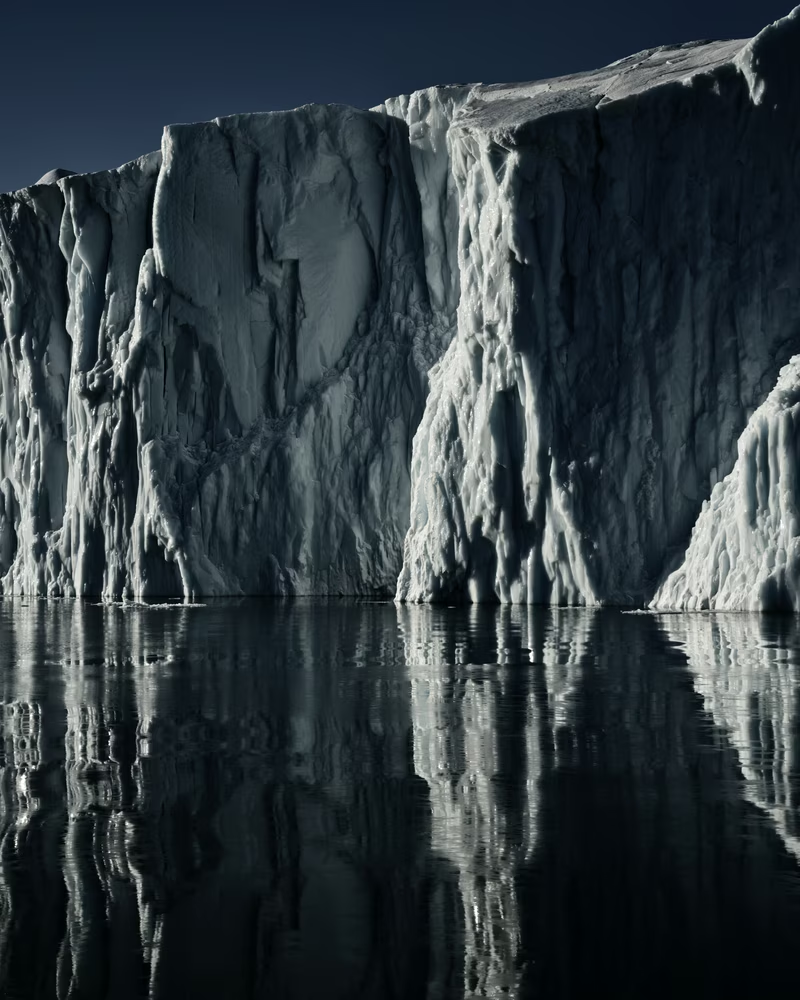
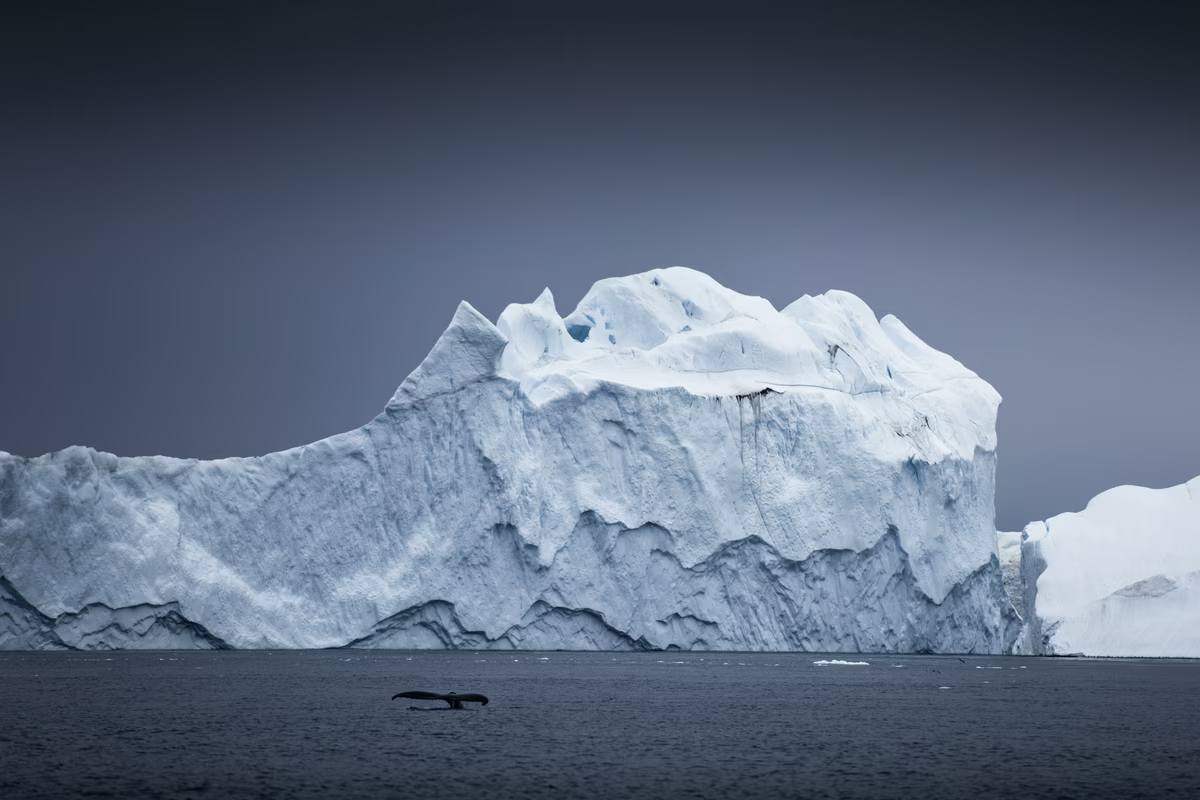
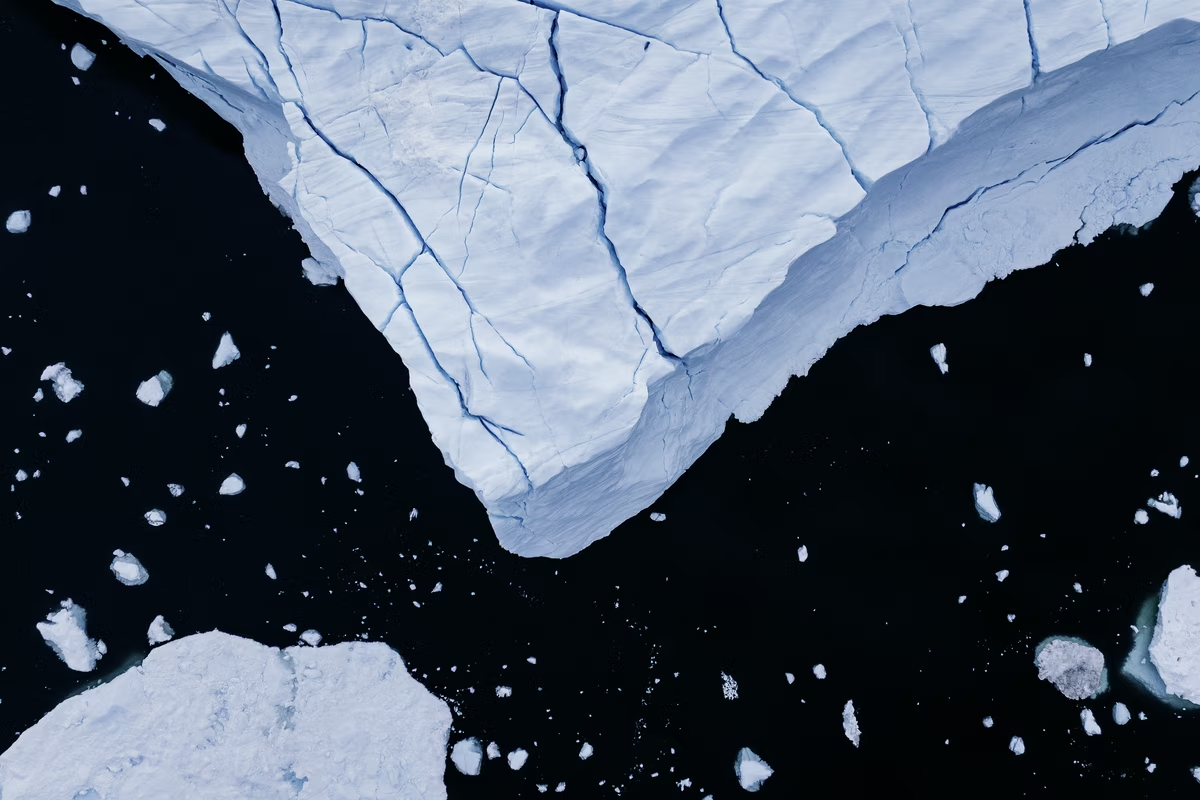
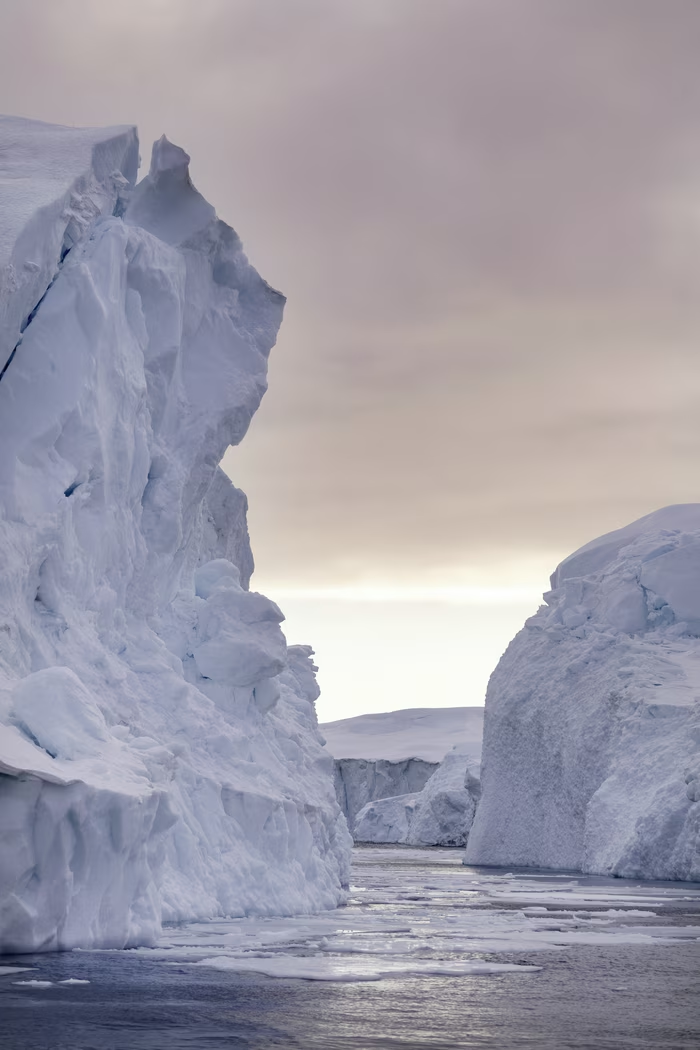
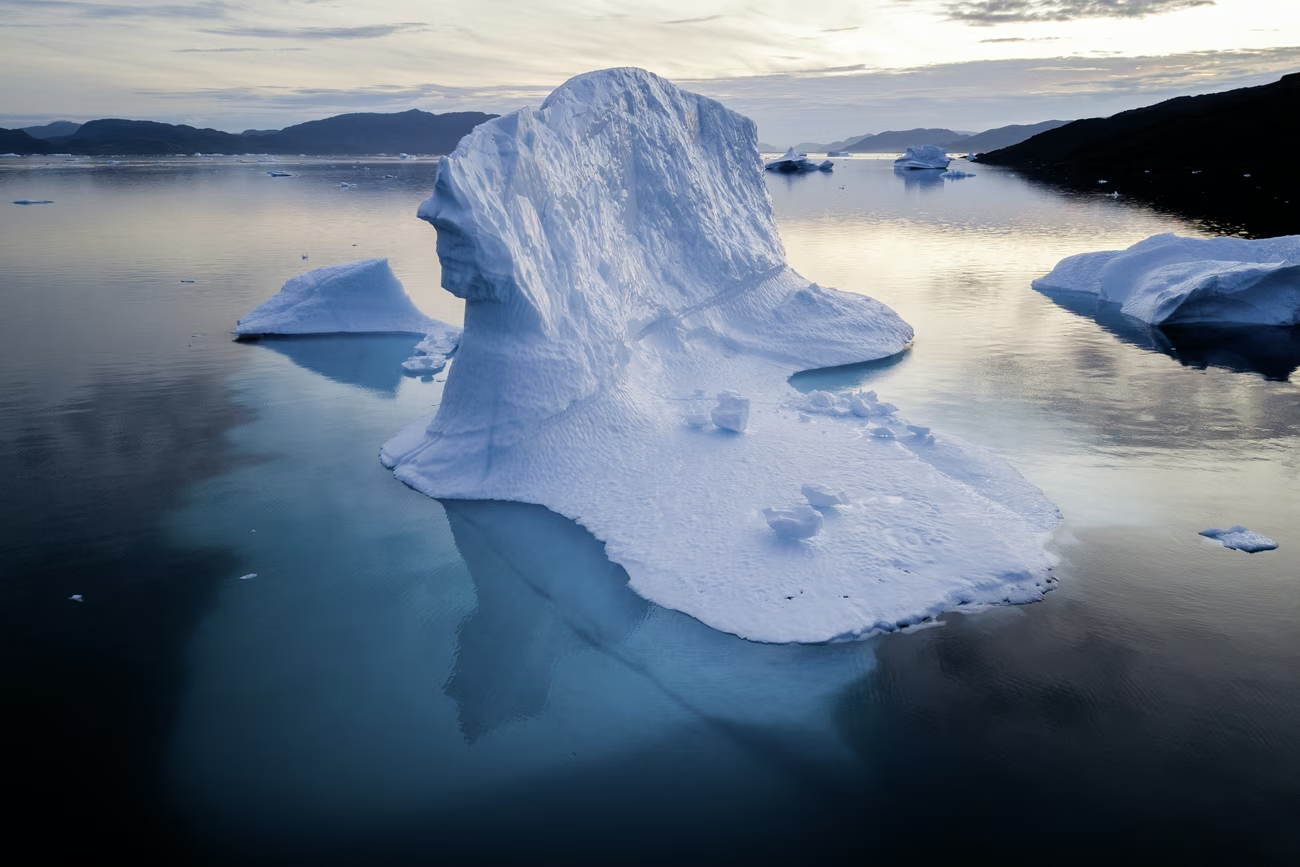
The largest icebergs leaving Ilulissat can be up to 1 km from top to base, so deep they run aground on the underwater moraine at the fjord mouth. They sit there for a long time before breaking up enough to escape into Disko Bay. It's why the fjord mouth feels still while the inland is so active.
Photo by Aningaaq R Carlsen - Visit Greenland


Every Icefjord trip is unique, shaped by the icebergs, the light, and your group. We can build the trip around what you'd most like to see: the calving fronts upstream, the grounded giants at the fjord mouth, or the broader iceberg field where the fjord meets Disko Bay.
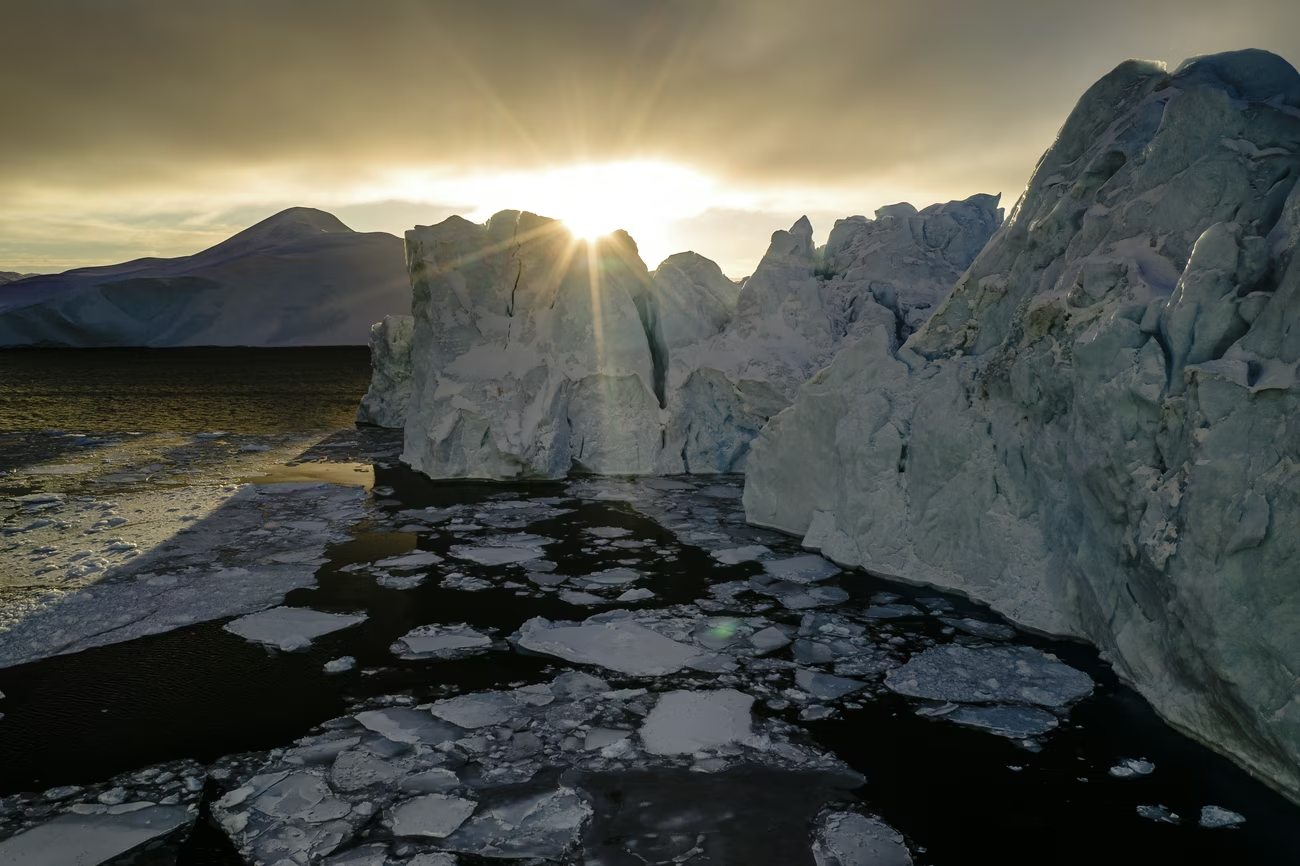
Some trips work as short loops at the mouth, two or three hours, perfect for first encounters. Others run longer, push deeper, and let the ice command the day. Photography trips lean toward the golden hours; quiet drift trips work best in calm weather; private charters can shape the route entirely around your group.
Tell us when you'd like to come and what kind of pacing suits you, and we'll arrange the boat, the timing, and the route around the fjord's rhythm that week.
Everything you need to know about this tour — from key details to what you can expect during the experience. If you can’t find your answer here, we’re always here to help.
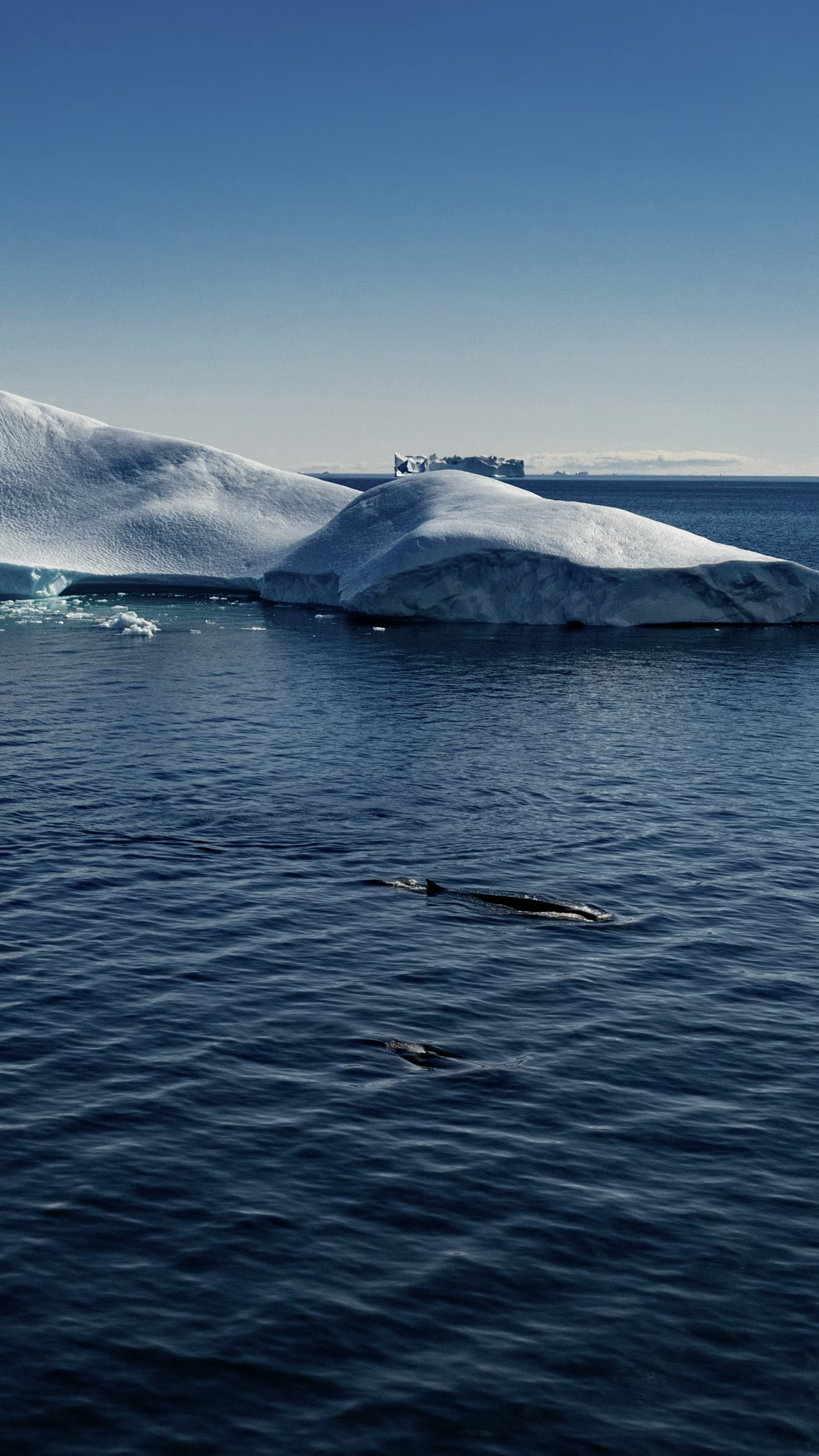
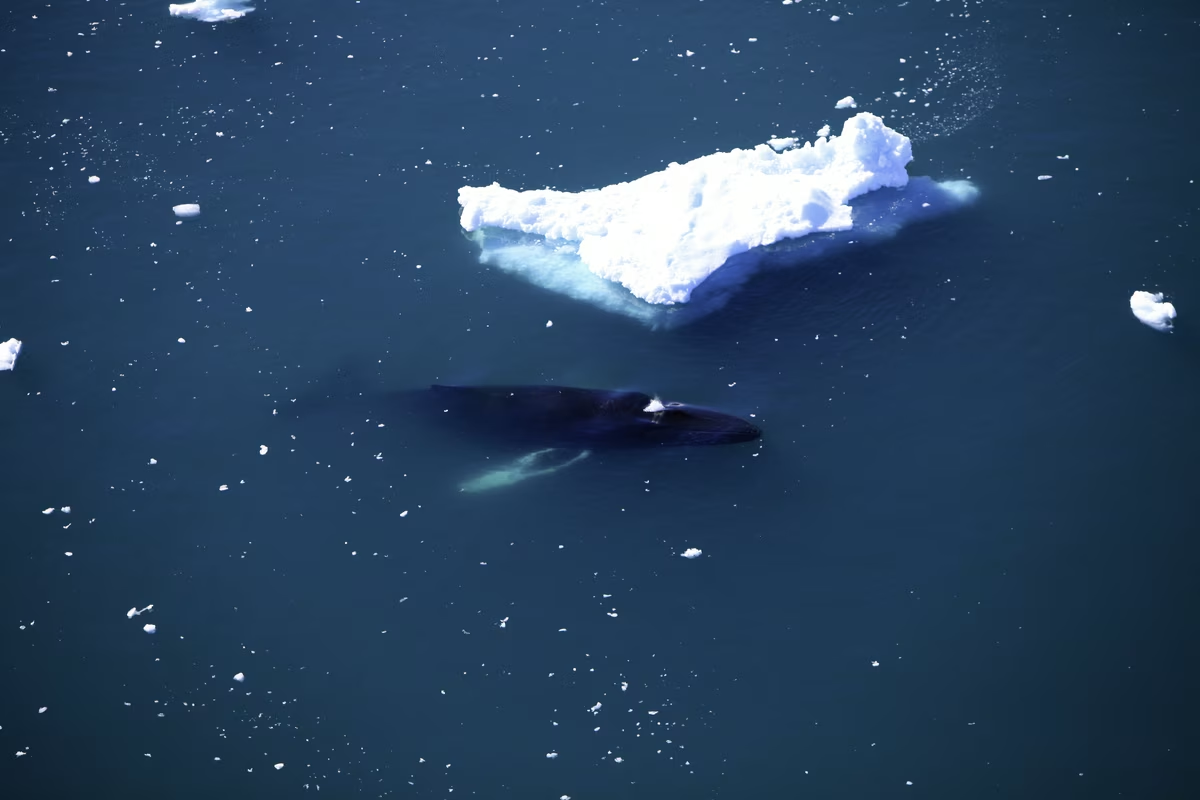
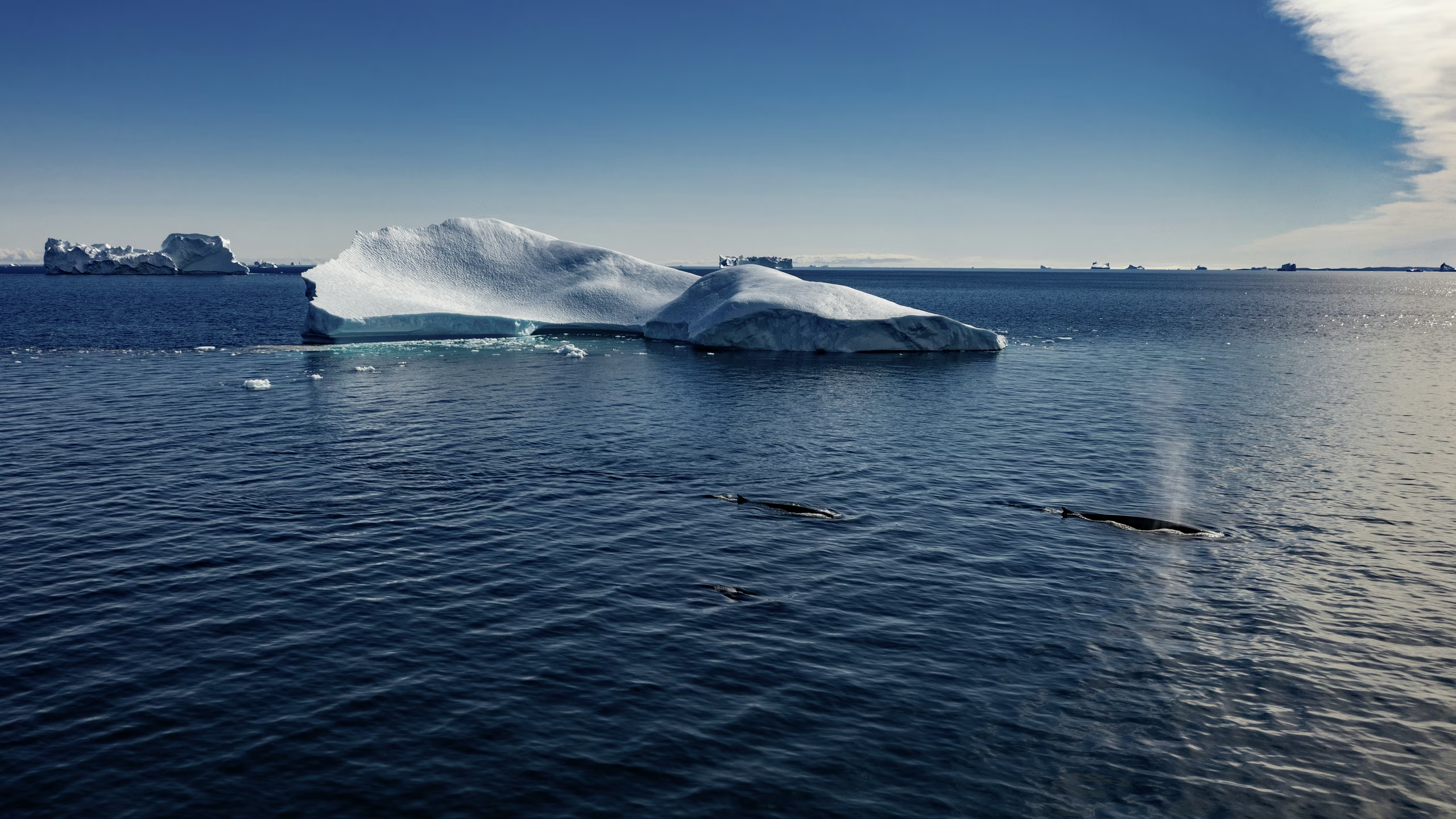
There’s always a chance to see wildlife in the fjord. You might spot a seal lounging on a drifting iceberg, completely unfazed by our presence, or catch a glimpse of a white-tailed eagle soaring between the cliffs. In summer, Arctic terns and other seabirds dive for fish in the open water. Occasionally, a whale might surface in the distance, sending a misty breath into the cold Arctic air. Every trip is different, and that’s part of the magic.
The chances of seeing icebergs on this tour are very high but as with all things in nature, we can’t offer a 100% guarantee. The fjord is regularly fed by active glaciers, often sending spectacular ice formations drifting into the fjord. Some are small and crystal-clear, others are towering and streaked with deep Arctic blue. Since conditions change daily, every tour offers a unique perspective on Greenland’s raw and ever-shifting landscape.
Even in summer, Arctic waters can be chilly. We recommend:
Our boat has a heated cabin, but you’ll want to step outside to fully experience the icefjord.
We get as close as safely possible. Icebergs can be unpredictable, as they shift and break apart without warning, so we always maintain a safe distance. That said, you’ll still feel their immense presence as they tower above the water, some the size of buildings. You’ll hear the ice crack and shift, reminding you that these ancient formations are constantly evolving.


Share your travel plans and preferred dates — our team will review availability and get back to you with the best options.