Start your Arctic adventure with us today
Share your travel plans and preferred dates — our team will review availability and get back to you with the best options.

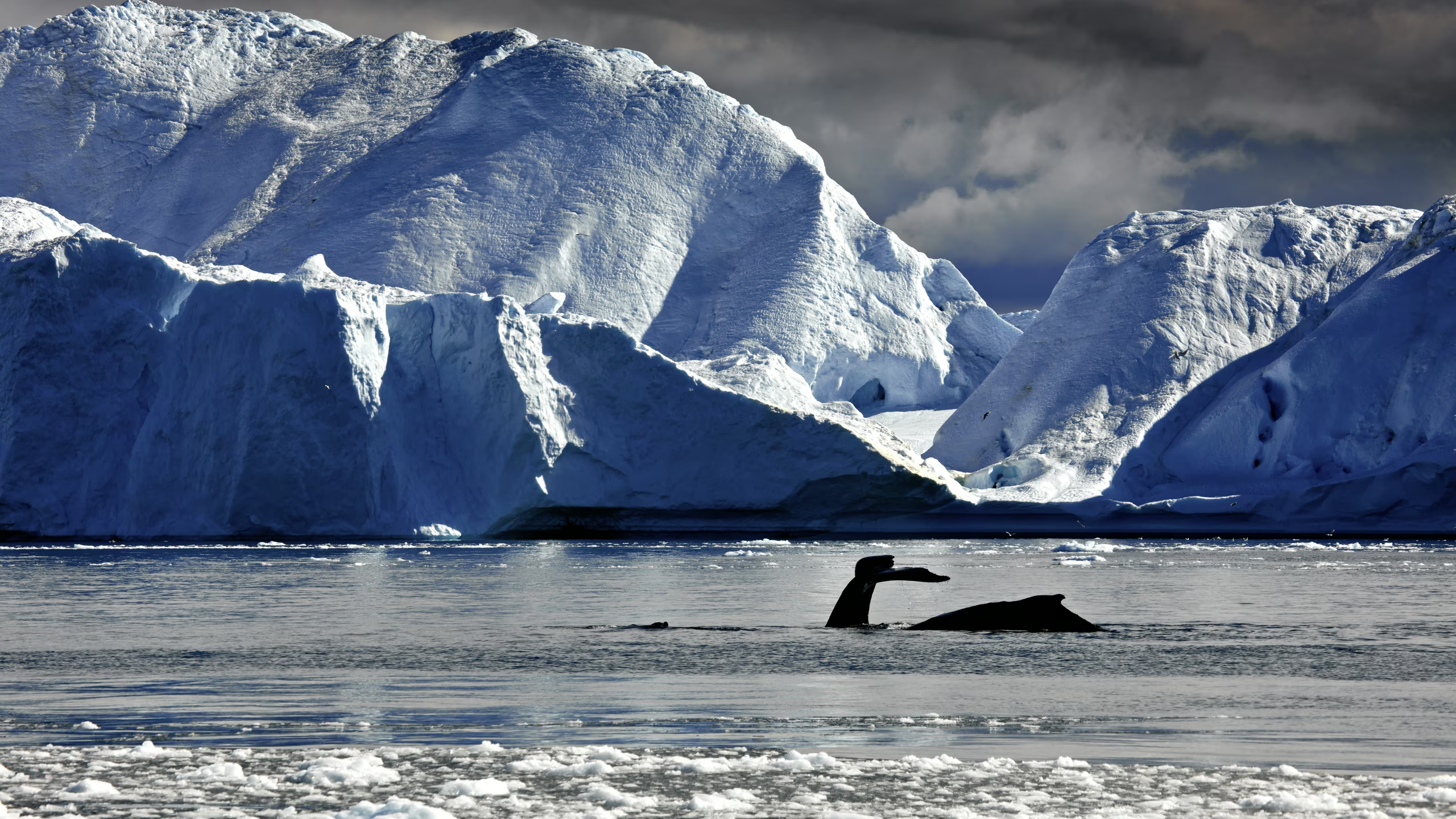
Disko Bay opens off Greenland's west coast, where icebergs from the Ilulissat Icefjord drift into a long, cold, plankton-rich pocket of the Atlantic.
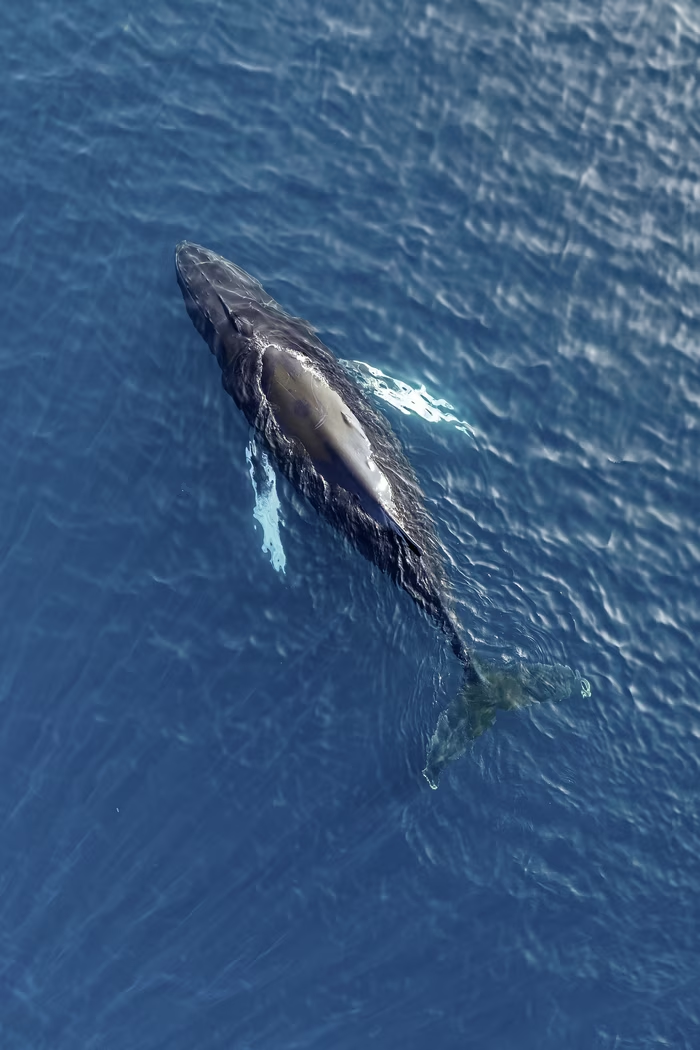
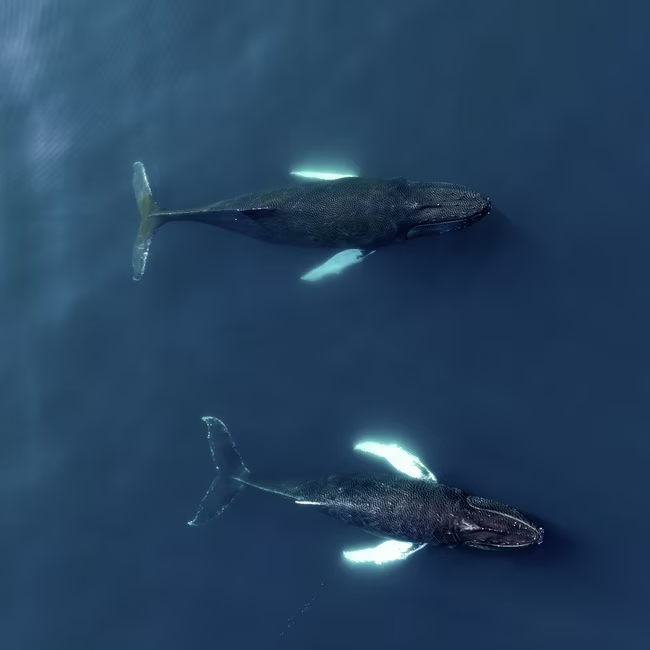
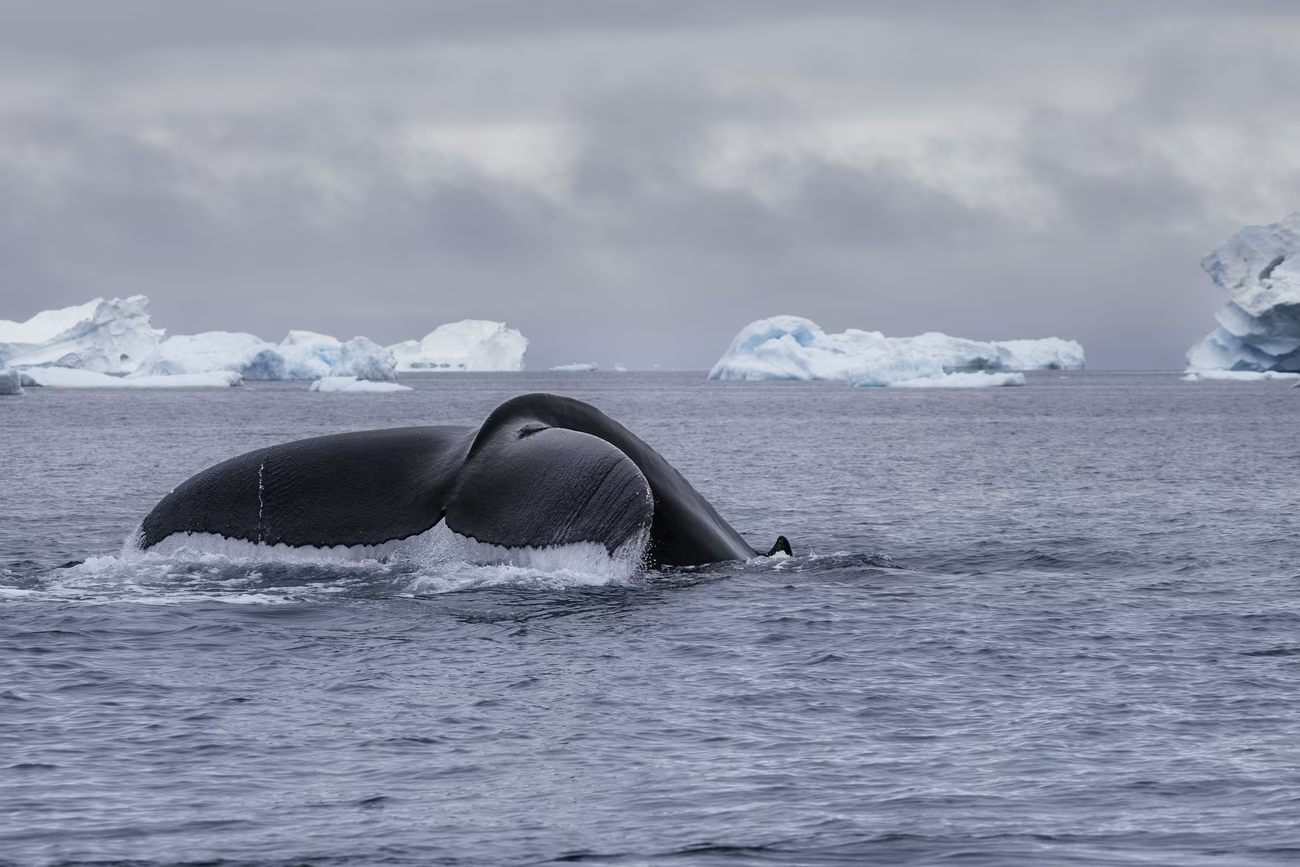
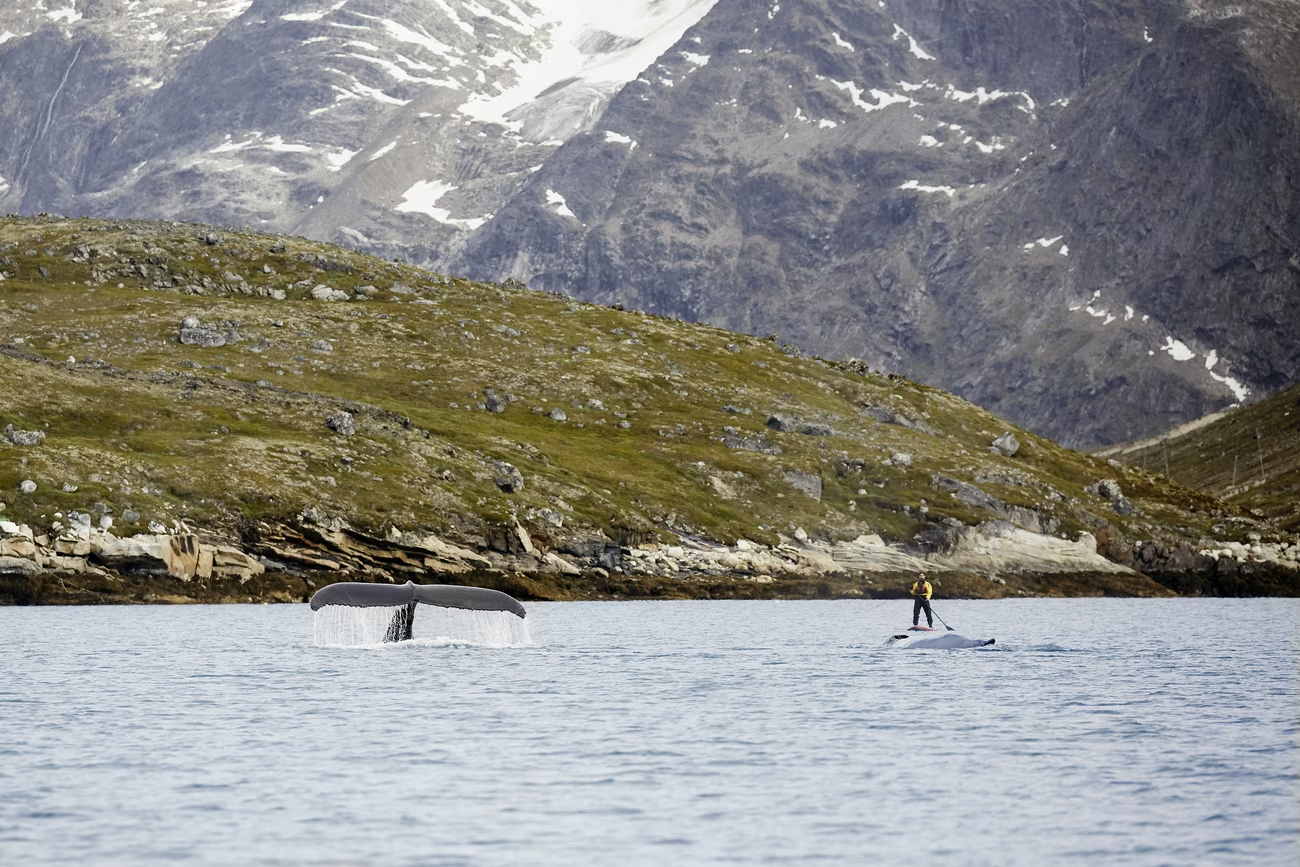
From June through September, humpback whales come into the bay to feed, and it is one of the better places in West Greenland to look for them. Fin and minke whales move through these waters too, though both are a rarer sight.
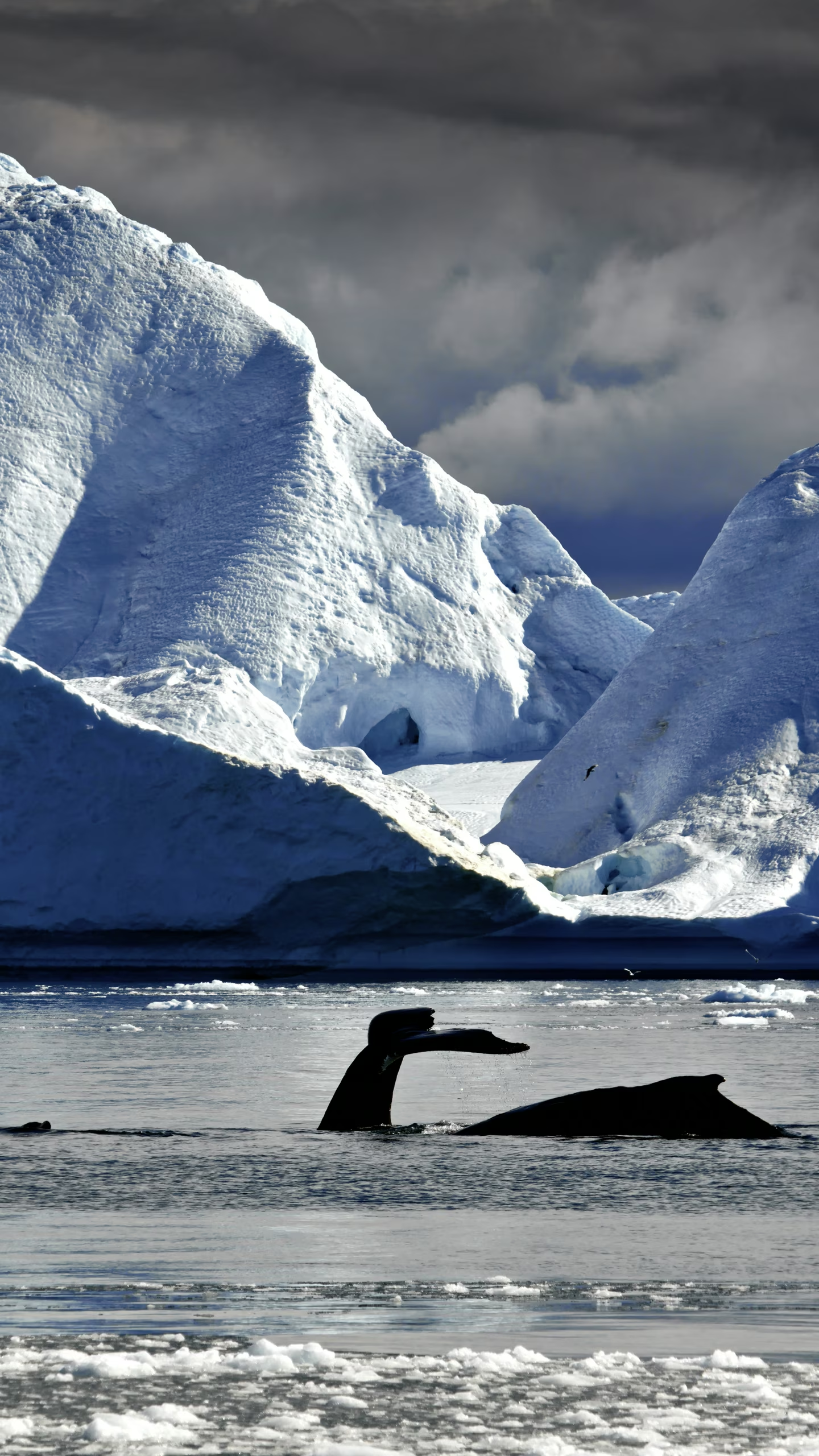
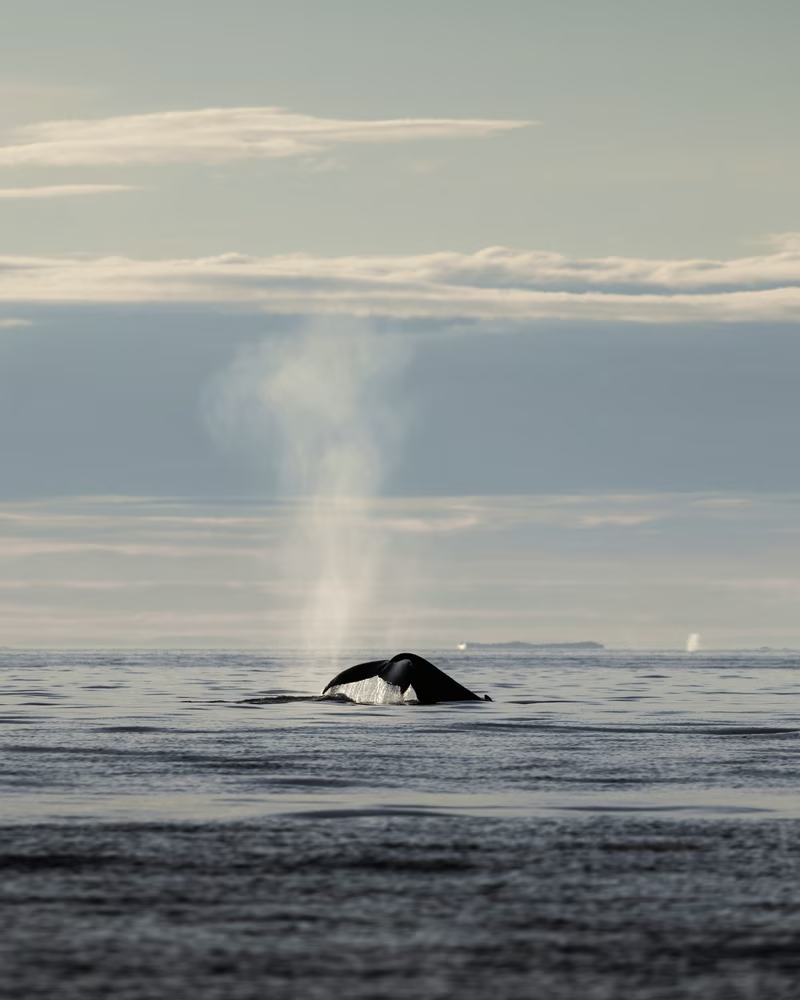
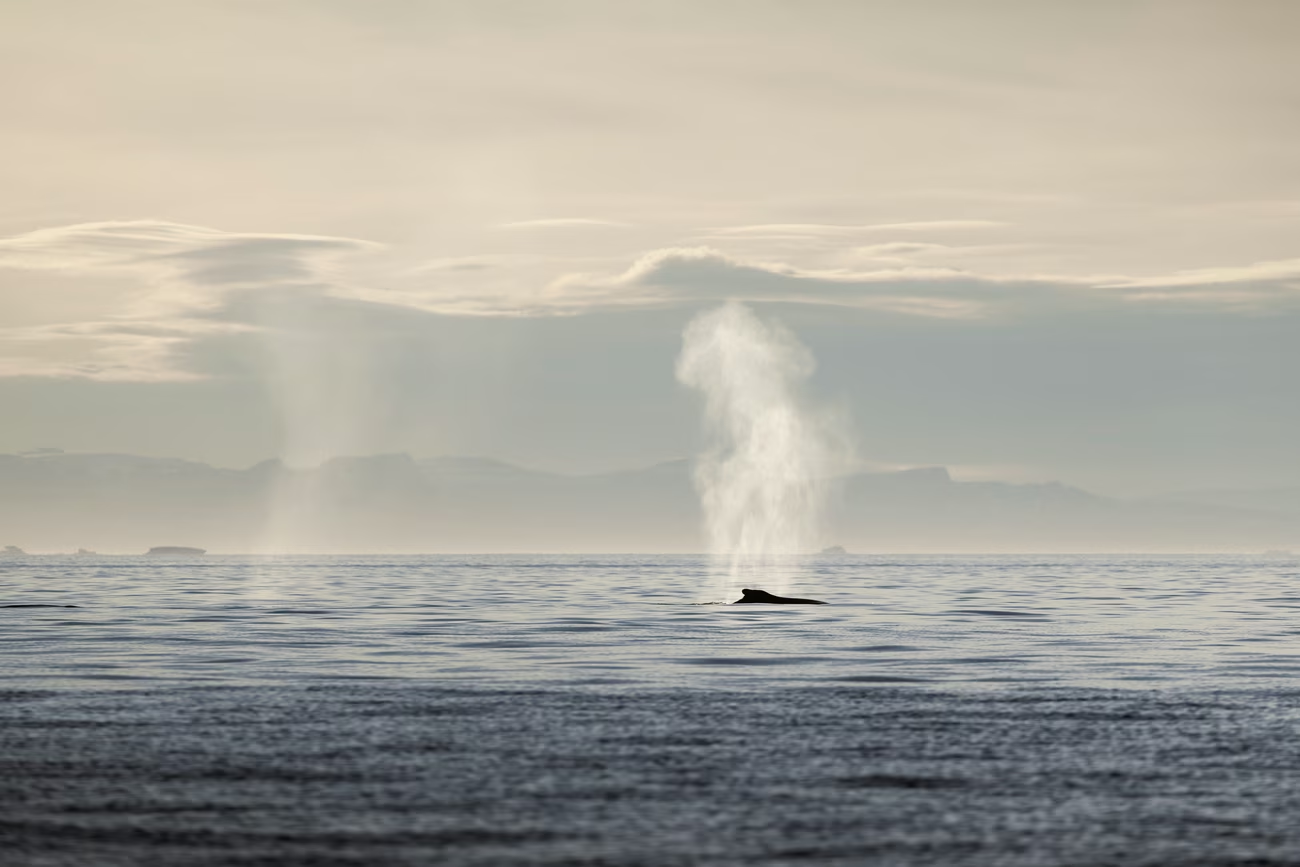
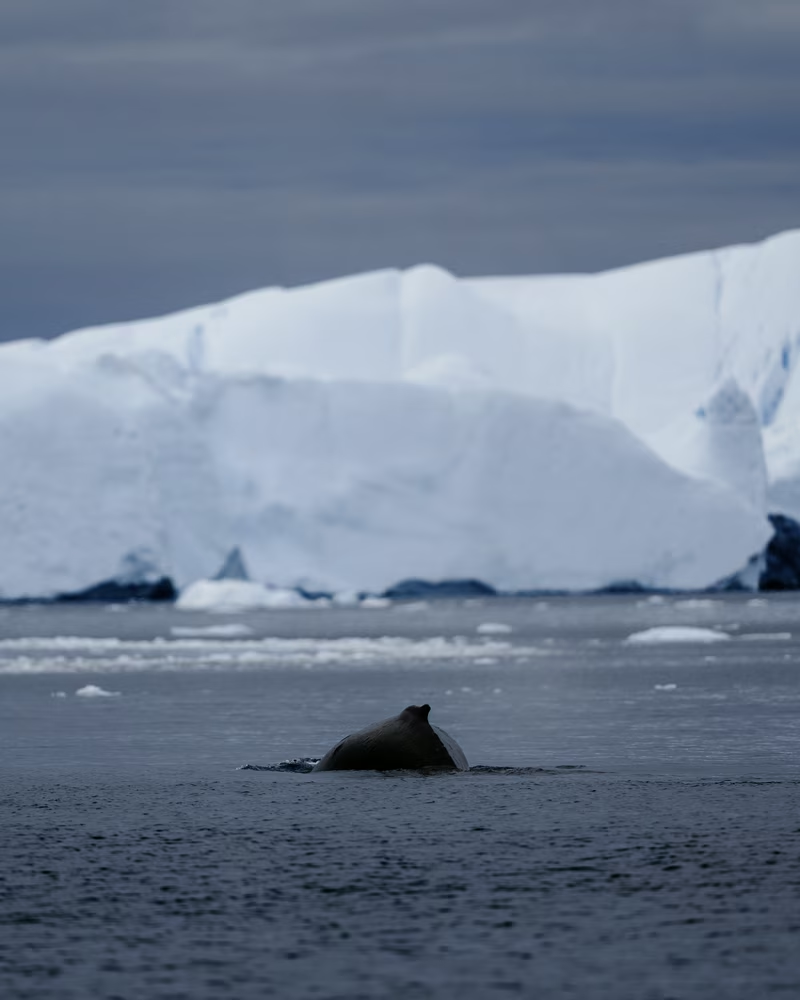
Whales are wild, so nothing is promised on any given day. When a whale does surface, the encounter is mostly about scale: icebergs in the background, a long exhalation hanging above flat water, the slow arc of a back breaking the surface. Trips usually run two hours. Tell us when you'd like to come and we'll shape the day from there.
1 / 5

Kinga Jaromin
Poland

Morten Bro
Greenland

Photo by Aningaaq Rosing Carlsen - Visit Greenland


Photo by Jessie Brinkman Evans - Visit Greenland
A two to three hour boat trip out of Ilulissat into Disko Bay, among the icebergs that drift down from the Ilulissat Icefjord. Look for humpback whales feeding in the bay through the summer. Whales are wild, so no two trips are the same and nothing is promised on any given day, but the scenery holds either way: open water, ice, and the long arc of the bay. We shape the trip around the season, the weather, and what works for your group.
Photo by Elisa Polini - Visit Greenland

The whales are in the bay from roughly June through September. Late June through August is the feeding peak, when humpbacks tend to be most active. September trades some of that activity for lower light, fewer boats, and a quieter rhythm on the water. Fin and minke whales pass through in the same months, though both are a rarer sight than humpbacks.
Photo by Peter Lindstrom - Visit Greenland

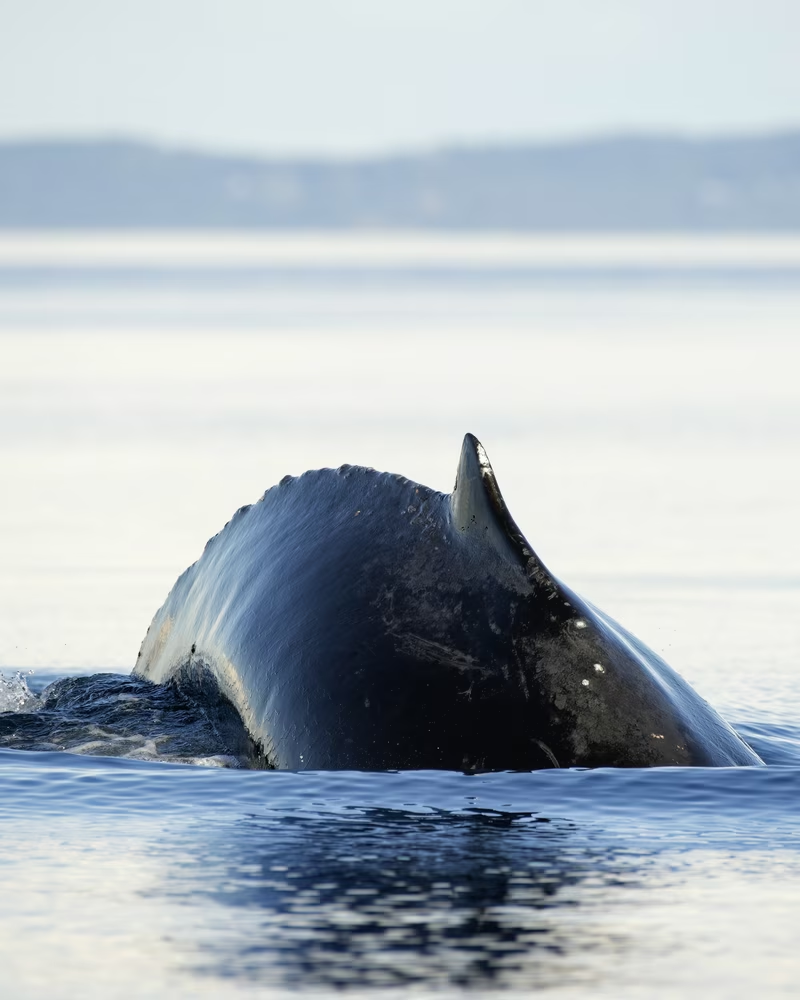
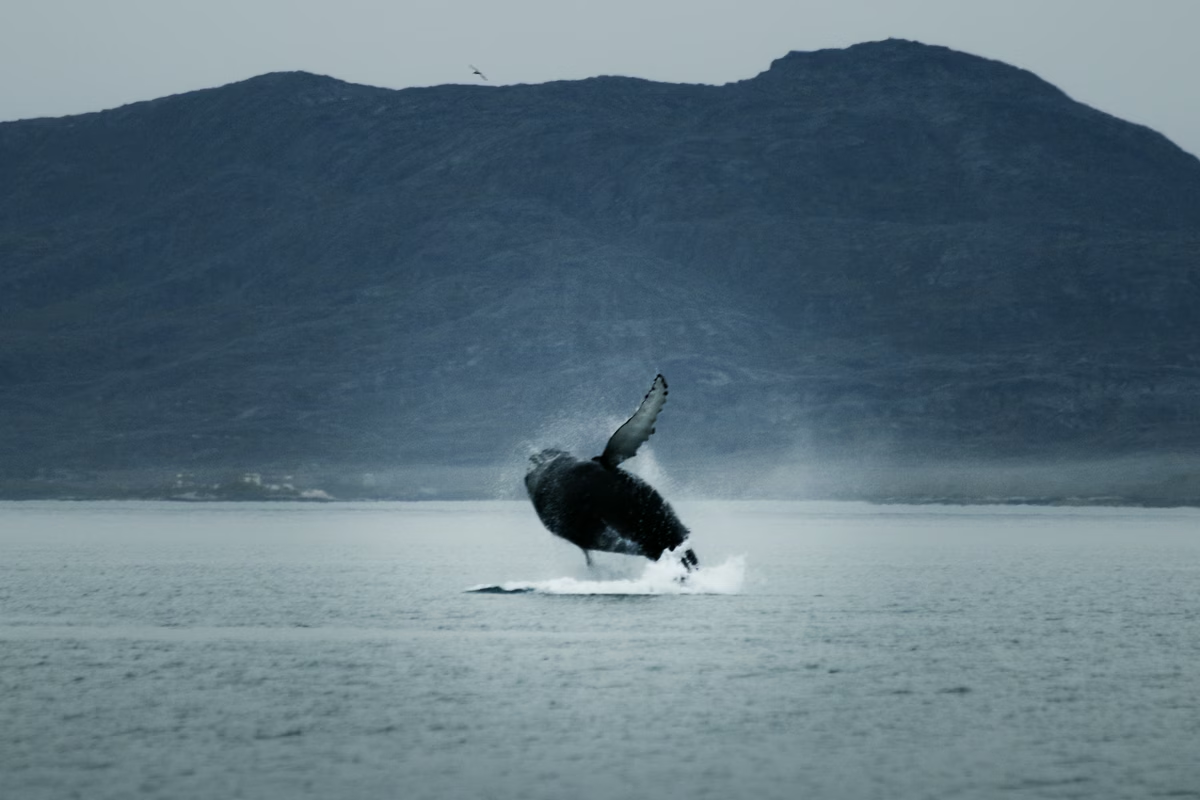
Humpbacks are the whale you are most likely to see, coming into the bay to feed through the summer. Fin and minke whales move through the same water but are seen less often. Breaching and tail-slapping do happen, though both are rare, and most encounters are quieter than that: a blow hanging over flat water and the slow roll of a back at the surface.
Photo by Aningaaq Rosing Carlsen - Visit Greenland


Every Disko Bay whale trip is unique, shaped by the weather, the light, and what the bay gives on the day. We can build the trip around the time of year that works for you, and the kind of boat that fits your group.
Some trips lean into the feeding peak, late June through August, when humpbacks are most active. Others trade activity for atmosphere, September's lower light, fewer boats, and a different rhythm on the water. Photography trips, family trips, and quiet observation trips each shape differently.
Talk to us about when you'd like to come and what you'd like to take from the day. The first conversation is usually about what you want the trip to feel like.
Photo by Kyle Vollaers - Visit Greenland
Everything you need to know about this tour — from key details to what you can expect during the experience. If you can’t find your answer here, we’re always here to help.
No, whales are not dangerous to humans. Humpback whales are gentle giants, known for their curiosity rather than aggression. We always keep a respectful distance and turn off our engine when observing them, allowing them to move naturally without disturbance. Seeing them up close is awe-inspiring, but there’s nothing to fear—just a moment of pure Arctic magic.
This tour runs during the summer months, from June to September, when the whales migrate to Nuuk Fjord to feed. Outside of this season, the whales travel to warmer waters, making sightings unlikely. If you're visiting in winter, consider one of our Northern Lights or fjord cruises instead.
The chances of seeing icebergs on this tour are very high but as with all things in nature, we can’t offer a 100% guarantee. The fjord is regularly fed by active glaciers, often sending spectacular ice formations drifting into the fjord. Some are small and crystal-clear, others are towering and streaked with deep Arctic blue. Since conditions change daily, every tour offers a unique perspective on Greenland’s raw and ever-shifting landscape.
We always follow ethical whale-watching guidelines, which means we approach slowly and turn off our engine when we get close. The whales often decide how near they come to us—sometimes they surface just meters from the boat, while other times, they stay at a distance. Either way, seeing these massive creatures in their natural habitat is an unforgettable experience.


Share your travel plans and preferred dates — our team will review availability and get back to you with the best options.